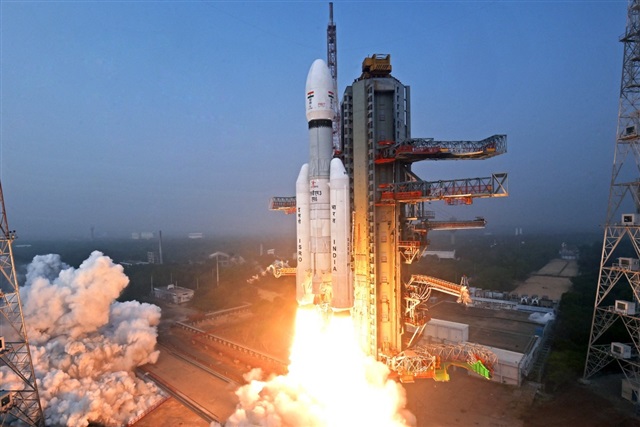
AST SpaceMobile has taken a major step toward making satellite-to-smartphone connectivity a practical reality with the successful launch of its largest satellite yet, BlueBird 6. The mission signals growing momentum behind the company’s goal: delivering 4G and 5G broadband coverage directly to everyday, unmodified smartphones—no special hardware, no bulky satellite phone required.
BlueBird 6 is designed to strengthen AST SpaceMobile’s push to build a space-based cellular network that works like the networks people already rely on, but from orbit. Instead of depending solely on ground towers—which can be limited or nonexistent in rural regions, at sea, or during emergencies—a satellite-enabled cellular layer could help fill coverage gaps and offer broader connectivity where traditional infrastructure struggles.
By deploying its biggest satellite to date, AST SpaceMobile is also accelerating its broader buildout plans. Larger, more capable satellites are a key part of expanding capacity and improving service potential for real-world mobile broadband experiences like calling, texting, and data usage over 4G and 5G. The company’s long-term vision is a global network that supports continuous coverage across regions, helping standard smartphones connect even when terrestrial signals drop off.
The launch of BlueBird 6 underscores how quickly space-based mobile broadband is evolving from an ambitious concept into a competitive connectivity solution. As AST SpaceMobile continues scaling its satellite constellation, the broader impact could be significant—especially for people in underserved areas, for travelers and maritime users, and for critical communications when disasters disrupt ground networks.
With BlueBird 6 now in orbit, AST SpaceMobile’s next challenge is turning that engineering milestone into service expansion—moving closer to a future where your regular phone can connect from almost anywhere on Earth.


