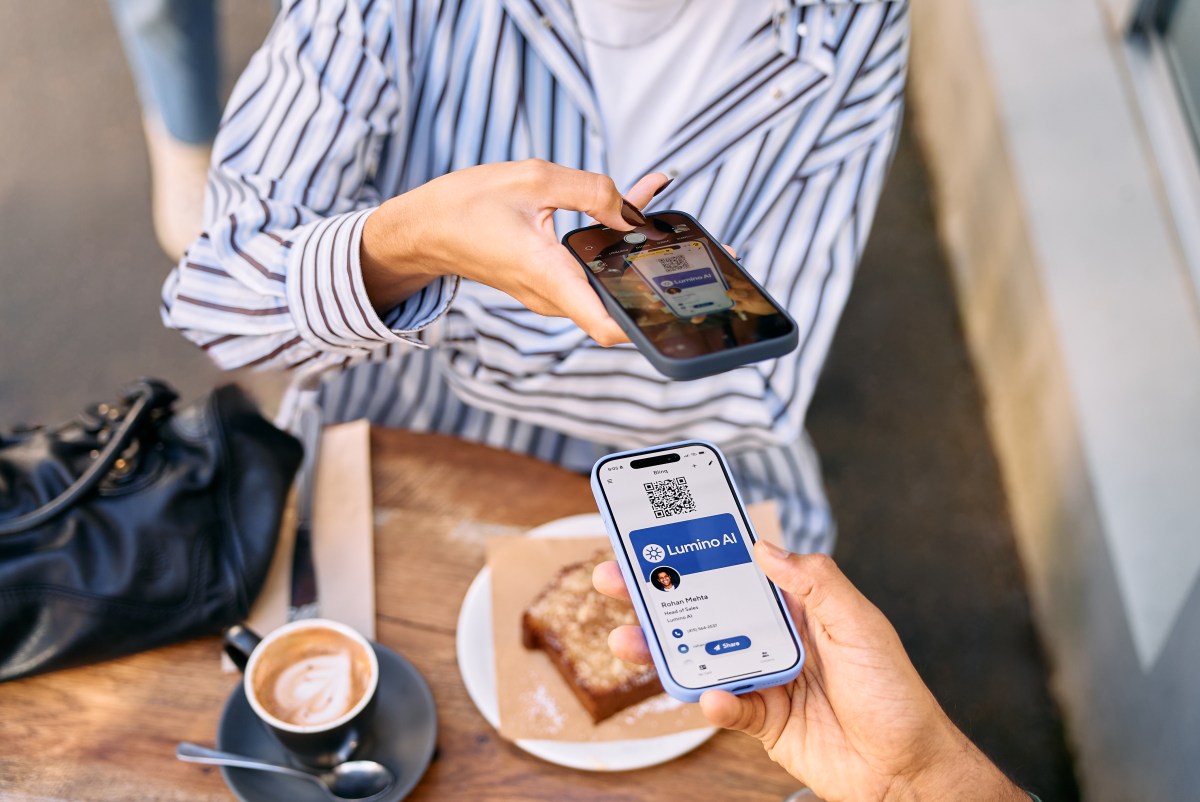
In an age where technology rules, you’d think traditional business cards would be obsolete. Yet, they’re still common at conferences and expos, only to be tossed aside soon after. As smartphones become our primary way of storing contacts, the shift towards digital alternatives is gaining momentum.
Meet Blinq, a startup from Melbourne, which anticipated this trend way back in 2017. Starting as a hobby, Blinq offered a digital business card app with a QR-code widget. Fast forward to today, and the company is thriving. With over 2.5 million users—including individuals and 500,000 companies across the U.S., Canada, the U.K., and Australia—Blinq is riding high on its success.
The company recently secured a $25 million Series A funding round led by Touring Capital, with investments from Blackbird Ventures, Square Peg Capital, and new investor HubSpot Ventures.
CEO and founder Jerrod Webb noted, “Our QR was initially a simple way to connect, especially among iPhone users. But the big change came in 2019 when Android fully embraced QR scanning. Then, the pandemic popularized QR codes, making in-person meetings more meaningful, which perfectly suited our vision.”
Blinq has taken a B2C2B approach, allowing users to create personalized digital business cards for various purposes. The app captures and syncs contact details with CRM systems like HubSpot and Salesforce through QR codes, email signatures, NFCs, short links, or even video call backgrounds.
The app caters to individuals, small businesses, and global enterprises, with 80% of its users based in the U.S. The team has grown from five to 67 employees spread across Sydney, Melbourne, New York, and San Francisco, pushing product development and market reach.
Webb emphasized, “Every time Blinq is used, it introduces someone new to the app. Our users become more active the longer they’re with us, which fuels organic growth and keeps acquisition costs low. Companies pay per seat, so as usage spreads, so does revenue.”
Competing with services like Mobilo, Popl, Wave, and Wix, as well as platforms like LinkedIn and Linktree, Blinq distinguishes itself by focusing on relationship-building and providing tools for meaningful follow-ups.
Webb believes digital business cards are just the beginning. “They’re our entry point. When you’re the trusted tool at the start of a relationship, you can influence what comes next. We want to help people turn first impressions into substantial connections by offering dynamic profiles and smart engagement tools. We aim to expand into new markets, strengthen our enterprise relationships, and adapt to the fast-evolving ways people connect.”