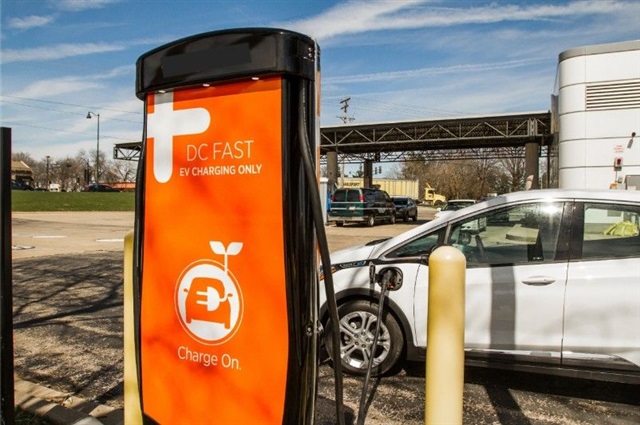
The Biden administration is ramping up its efforts to expand the electric vehicle (EV) charging network across the United States. After initially committing a substantial $7.5 billion to this cause, a fresh subsidy of $521 million has just been announced. This new wave of funding is set to benefit 29 states, giving a significant boost to the EV infrastructure.
This move is seen as a critical step in promoting the adoption of electric vehicles in America. By enhancing the availability of charging stations, the administration aims to alleviate one of the key concerns of potential EV owners – the fear of running out of charge with no station in sight.
The additional funds will be used to install numerous new charging points, making it easier for drivers to find convenient locations to power up their vehicles. This is expected to not only support current EV owners but also encourage more consumers to make the switch from traditional gasoline-powered cars to electric ones.
Environmental advocates applaud this initiative as it plays a crucial role in reducing the country’s carbon footprint by promoting cleaner transportation alternatives. The expanded network will help in making long-distance travel more feasible for EVs and reduce reliance on fossil fuels.
The strategic distribution of these funds across the 29 states ensures that both urban and rural areas benefit, closing the gap in accessibility to EV charging stations. Thus, whether in city centers or along highways, drivers can expect a more seamless and reliable experience.
From an economic standpoint, this initiative could also foster job creation in the growing field of green technology and infrastructure development. As the network of charging stations grows, it will require a workforce for construction, maintenance, and operation, contributing to the job market and the economy.
In conclusion, the Biden administration’s decision to inject an additional $521 million into the EV charging network is a forward-thinking move aimed at accelerating the nation’s shift towards sustainable transportation. As electric vehicles become more accessible and convenient for everyday use, the environmental and economic benefits are likely to become increasingly significant.