Many people wonder whether 5G is just marketing hype or a real upgrade you can actually feel in daily use. When you compare a 4G phone and a 5G phone side by side, the difference can be obvious—especially if you regularly stream video, download large files, use hotspot features, or rely on fast mobile data when you’re away from Wi‑Fi.
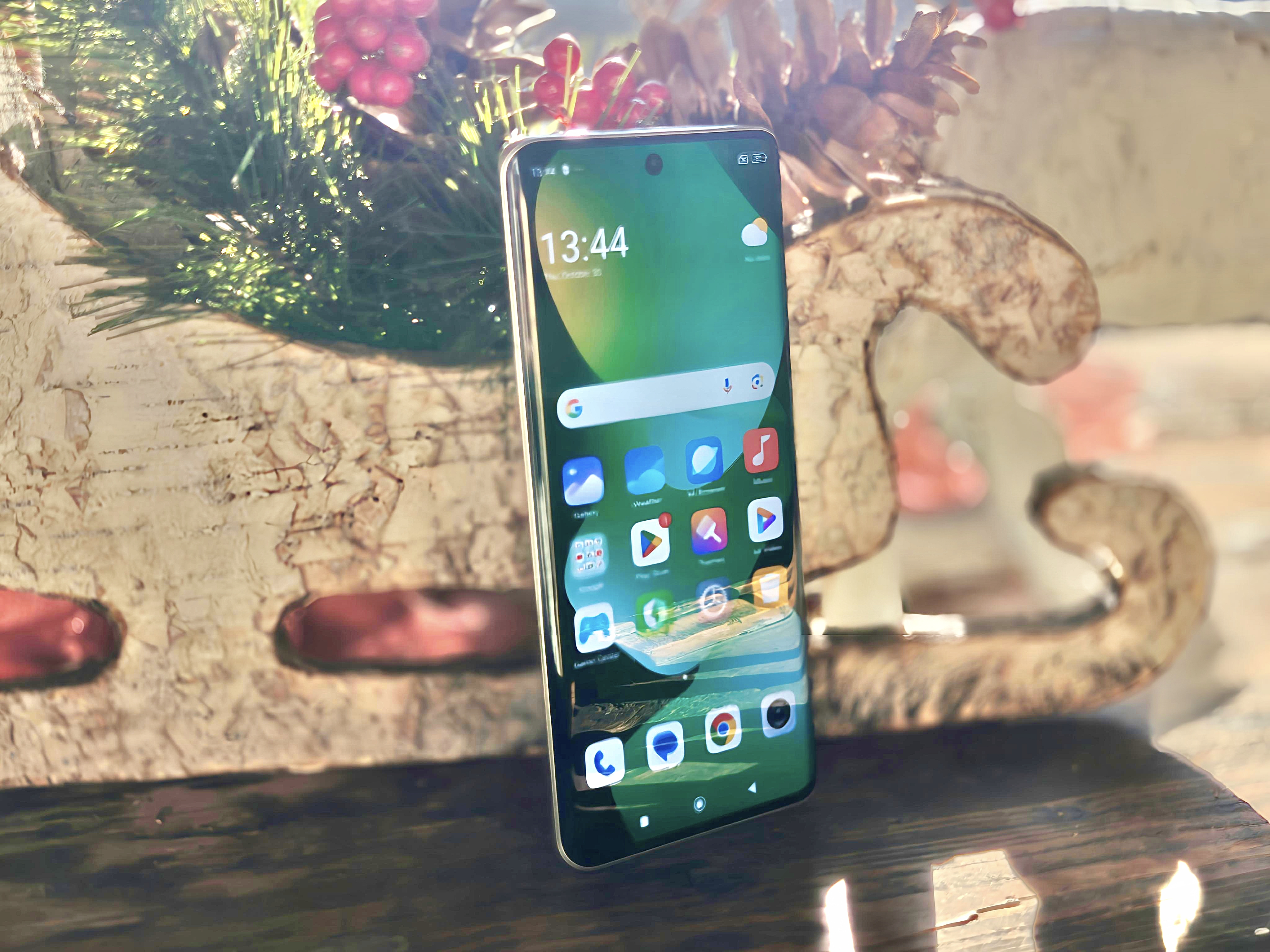
To see how noticeable the gap really is, a simple real-world comparison was done using the Xiaomi Redmi Note 15 4G and the Xiaomi Redmi Note 15 Pro 5G. Both phones were tested in the same location using the same SIM card, keeping conditions as consistent as possible. The outcome was clear: the 5G connection delivered significantly faster speeds. In other words, if speedy mobile data matters to you, paying extra for a 5G model can be worth it.
That said, it’s important to keep expectations realistic. Network performance depends heavily on where you are and when you’re using it. Coverage, congestion, and local infrastructure can all change the results, so speeds may look different in another neighborhood, city, or even at a different time of day.
Still, a lack of 5G doesn’t automatically make a phone a bad buy. The Xiaomi Redmi Note 15 4G holds up well as a budget-friendly smartphone option. It stands out with strong battery life for all-day use, an extremely bright display that stays readable outdoors, and a reassuring long-term software promise with six years of security updates. For anyone trying to keep costs down while still getting a reliable, modern phone experience, that combination can easily outweigh the missing 5G—especially if you spend most of your time on Wi‑Fi or live in an area where 5G coverage isn’t consistently strong yet.
If you’re deciding between 4G and 5G, the simplest takeaway is this: 5G can deliver a real speed boost when the network is available, but the Redmi Note 15 4G remains a smart pick for value-focused buyers who prioritize battery life, display quality, and long-term security support.