Why paying more isn’t always smarter: Zen 4 vs. Zen 5 in today’s AMD laptops
Chipmakers have long reused proven designs under new names, and the current AMD lineup is a perfect example. In laptops, AMD is offering both Zen 4 and Zen 5 options side by side. Zen 4, known as Hawk Point Refresh, appears as the Ryzen 200 series, while Zen 5, called Krackan Point, powers the Ryzen AI 300 series. In practice, the Ryzen 200 models often serve as the better-value option.
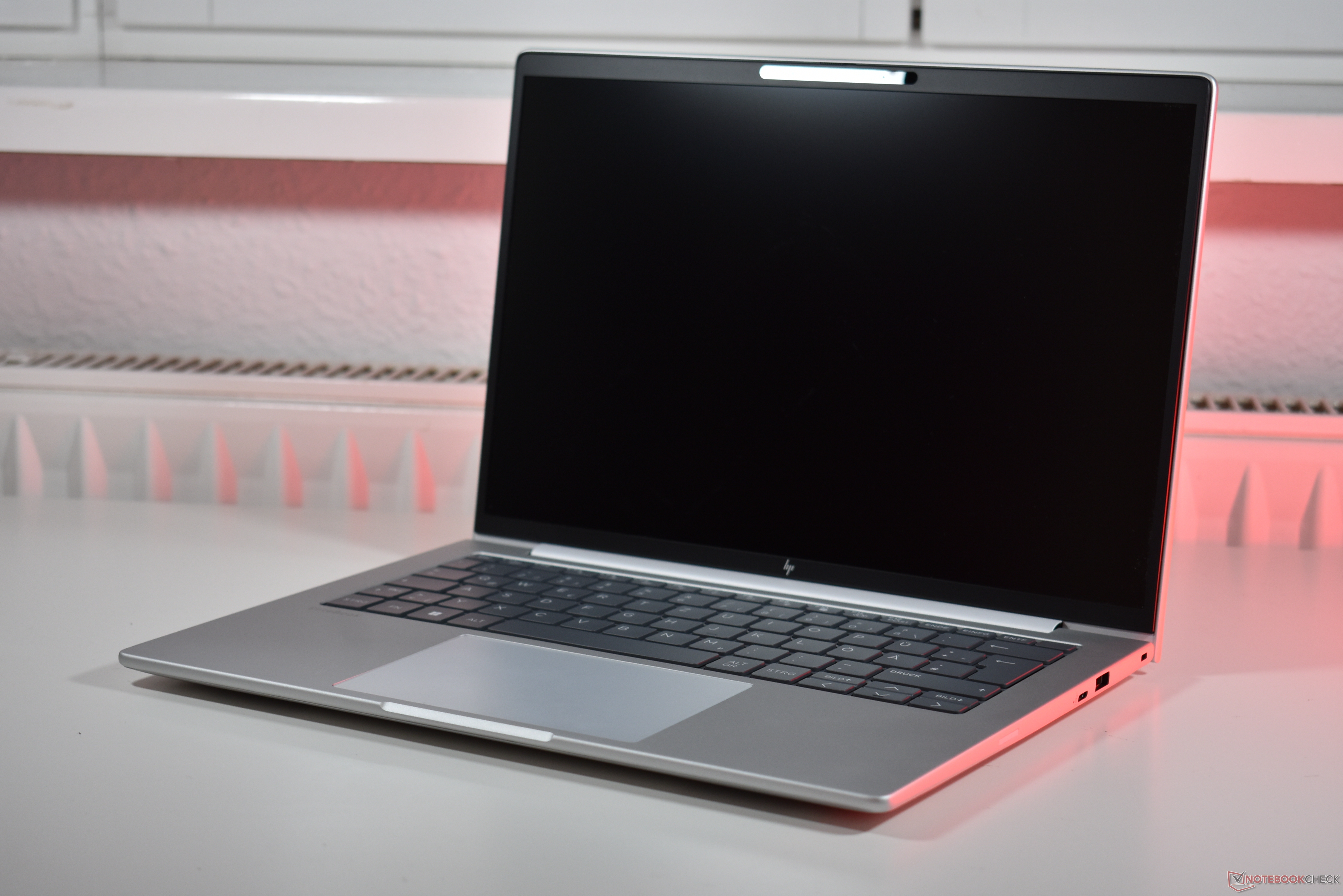
Take the HP EliteBook 8 G1a 14, a compact, aluminum business notebook that can be configured with either architecture. Testing with the Zen 4–based AMD Ryzen 7 250 showed that the “older” chip is far from obsolete. While its integrated GPU isn’t the strongest in its class, the system delivered snappy performance, excellent efficiency, reliable battery life, and low heat output—everything you want in a daily driver for productivity and business work.
What about the Zen 5 option? Broader benchmark data for Krackan Point paints a clear picture: you’ll see a lift in single-core CPU performance, but most real-world gains beyond that are modest for typical laptop workloads. The standout improvement is the much more capable NPU, which qualifies the system as a Copilot+ PC. That can matter if you rely on on-device AI features, but for many users today, it’s a nice-to-have rather than a must-have.
Here’s where the value equation gets interesting. Configuring the EliteBook with the Ryzen 7 250 (Zen 4) comes in at roughly $1,450 in the HP US store, while a similar build with the Ryzen AI 7 350 (Zen 5) is about $1,900. That’s a $450 premium for a stronger NPU and better single-core scores—without a sweeping improvement in everyday performance, efficiency, or thermals.
Who should choose Zen 4 (Ryzen 200)
– Professionals focused on productivity apps, web work, conferencing, and office suites
– Users who prioritize battery life, cool and quiet operation, and overall system responsiveness
– Buyers seeking the best price-to-performance ratio
Who should consider Zen 5 (Ryzen AI 300)
– Early adopters who want Copilot+ PC features and heavier on-device AI acceleration
– Users with workloads that benefit from higher single-core performance or AI-assisted tasks
Bottom line: If you don’t have a clear need for the beefed-up NPU or small single-core gains, keep the extra $450. The AMD Ryzen 7 250 in a well-built laptop like the HP EliteBook 8 G1a 14 still delivers fast, efficient performance with strong battery life and low heat. For most buyers, the smart choice right now is the Zen 4 configuration.