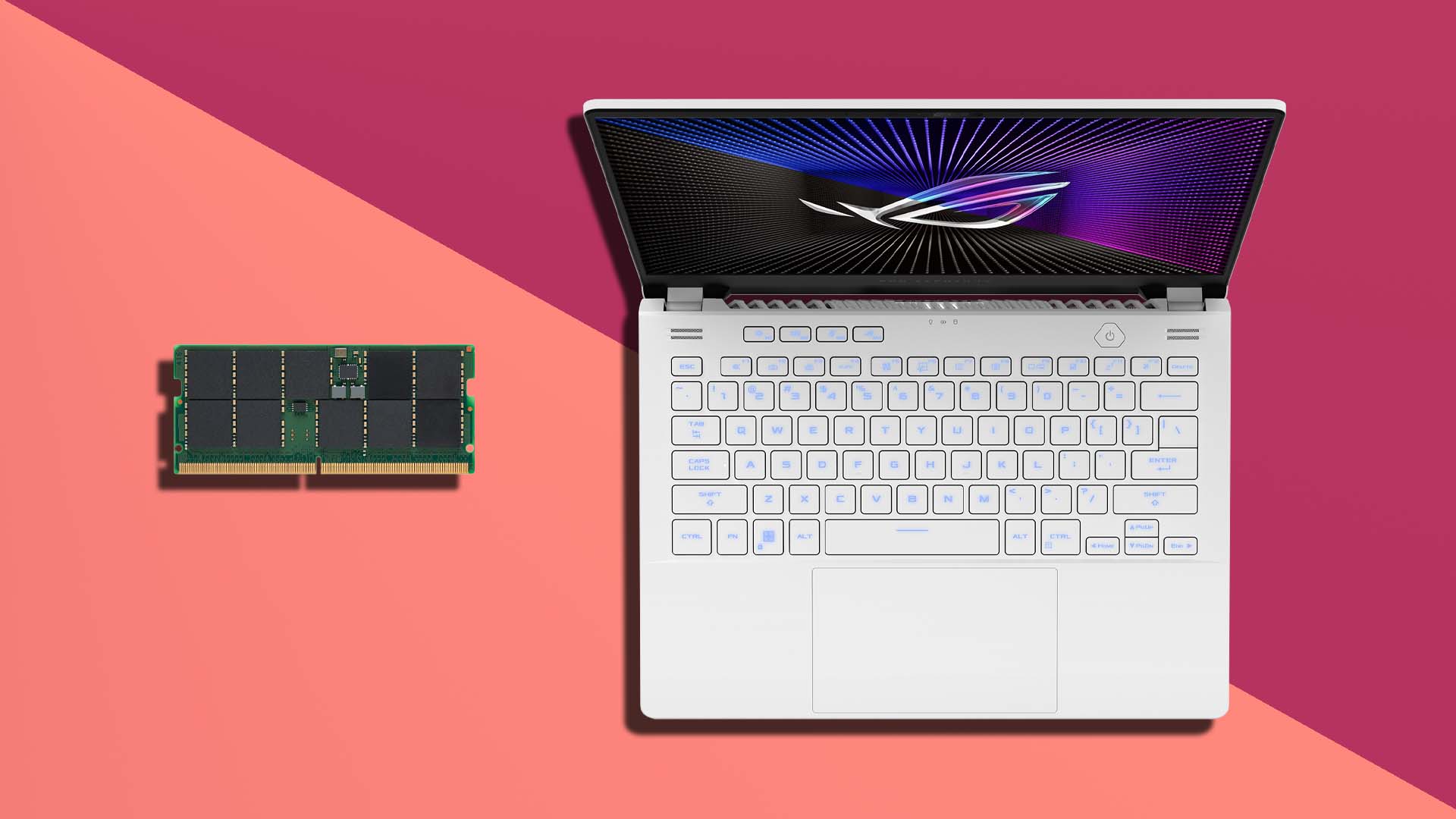
ASUS ROG Zephyrus G14 Owner Claims Laptop Returned From Repair With Half the RAM Missing
An ASUS ROG Zephyrus G14 owner in the Netherlands says his gaming laptop came back from warranty repair with only 16GB of RAM instead of the 32GB configuration he originally had. The case has gained attention online because it highlights a frustrating issue many laptop owners fear when sending expensive devices in for RMA service: what happens if hardware comes back changed, missing, or downgraded?
According to the customer, the 2023 ASUS ROG Zephyrus G14 was sent in for repair under an extended warranty. The service reportedly involved a motherboard replacement. When the laptop was returned, the owner checked the system BIOS and found that it displayed only 16GB of installed memory, not the 32GB he says the machine had before the repair.
The owner shared an image showing the laptop’s BIOS reporting 16GB of RAM. He claims the missing memory appeared only after the RMA process, leading him to suspect that one of the RAM sticks was removed during servicing and not returned.
The situation becomes more complicated because the customer does not appear to have clear proof showing the laptop had 32GB of RAM installed before it was sent away. While he says that was the original configuration, the publicly shared evidence only shows the device after it came back from repair.
That lack of documentation may make it difficult to convince ASUS customer support. The owner says he contacted ASUS about the issue, but the company reportedly denied that the laptop had additional memory installed. Without before-and-after photos, BIOS screenshots, purchase documentation listing the exact configuration, or a video showing the laptop’s internals before shipping, proving the claim could be challenging.
The case is especially frustrating because laptop memory prices have become a bigger concern for users. With RAM and storage upgrades becoming more expensive in some markets, losing a memory module is not a minor inconvenience. For a gaming laptop like the ROG Zephyrus G14, dropping from 32GB to 16GB can affect multitasking, content creation, modern gaming performance, virtual machines, and heavy productivity workloads.
The owner has warned other ASUS customers, especially those in the Netherlands, to document their laptops carefully before sending them in for repairs. He also advised users to remove removable RAM modules before shipping a device for service, when possible. However, that advice may not apply to every laptop, since some models use soldered memory, and removing parts could potentially affect warranty terms depending on the manufacturer’s policies.
This case is a useful reminder for anyone sending a laptop, desktop, smartphone, or tablet in for repair. Before shipping a device, it is smart to record a full video showing the serial number, BIOS information, storage capacity, RAM capacity, and visible condition of the device. Taking photos of internal components can also help if the device allows easy access. Keeping invoices, spec sheets, warranty documents, and order confirmations is equally important.
If a repair dispute happens, detailed proof can make the difference between a denied complaint and a successful escalation. Customers should also ask the repair center for a written service report that lists what was replaced, what parts were removed, and what configuration the device had when it arrived.
For now, the ASUS ROG Zephyrus G14 owner’s claim remains difficult to verify publicly. The BIOS image shows 16GB of RAM after the repair, but it does not prove what the laptop contained before the RMA. Still, the story serves as a strong warning: when sending valuable tech hardware in for warranty service, document everything before it leaves your hands.