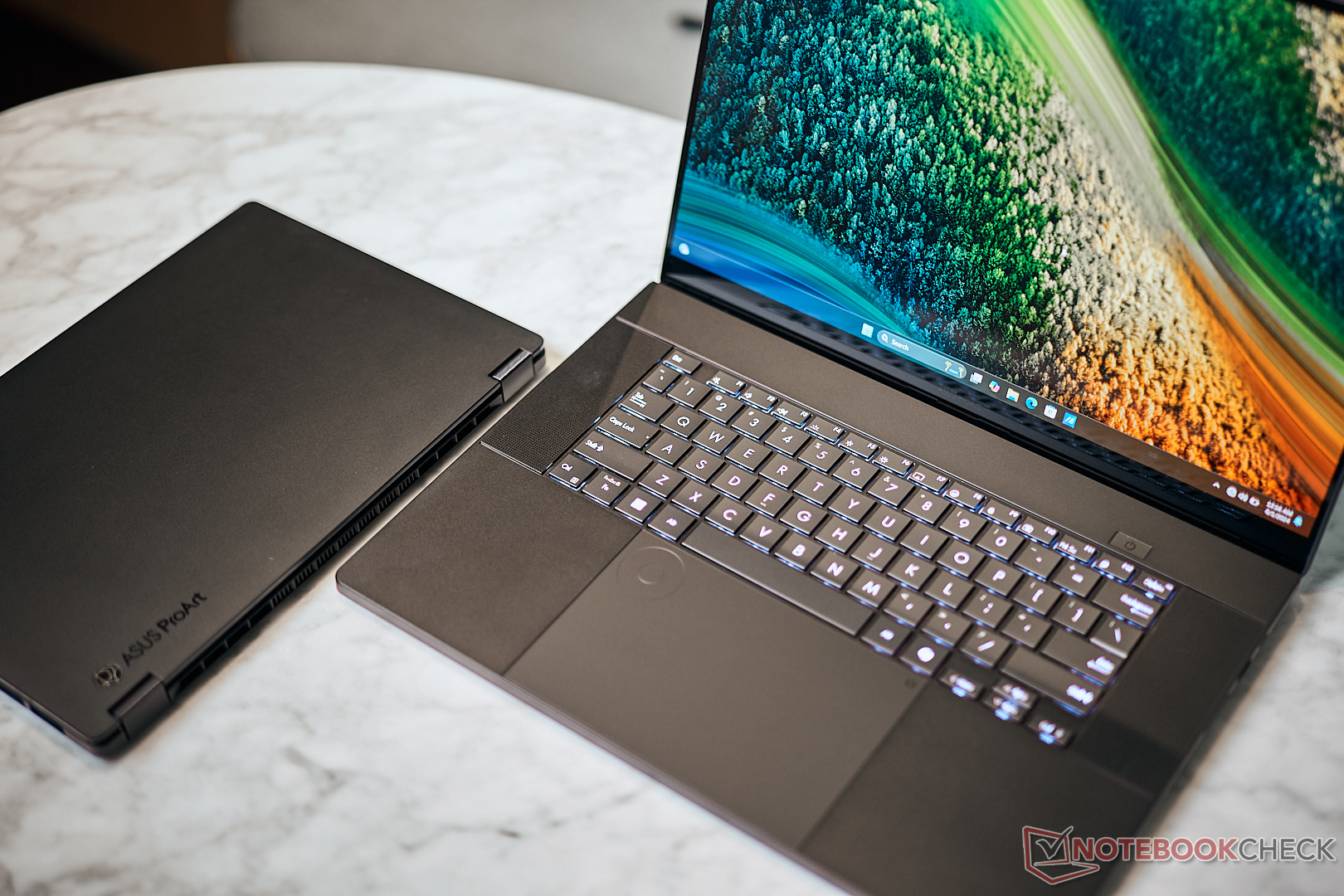
The Asus ProArt series, known for catering to creative professionals, has welcomed a powerful new addition to its family. The latest ProArt P16, unveiled at Computex 2024, is equipped with the cutting-edge AMD Ryzen AI 300 series processor, epitomizing the Strix Point Zen 5 architecture. This innovative model has been crafted with a focus on AI-driven workflows, boasting a remarkable 50 TOPS (trillion operations per second) performance from the AMD Ryzen AI 300 NPU alone.
The ProArt Studiobook lineup, running on Intel’s 13th generation processors, will continue to play a significant role in the Asus arsenal. Nevertheless, this year marks Asus’s bold venture into new configurations with the introduction of both convertible and detachable models, all of which will bear the Copilot+ label. Among these pioneering designs is the ProArt P16 H7606—a laptop dedicated to content creators, powered by AMD’s new Ryzen AI 300 ‘Strix Point’ Zen 5 APUs. While specific APU models have not been disclosed, it is speculated that an AI-driven Ryzen AI 9 HX 370 could be part of the lineup.
The introduction of AMD’s Strix Point APUs signals a new era in ProArt innovation, providing peak NPU performance that is essential for the Copilot+ experience. The ProArt P16 further defines its commitment to AI by offering the option of coupling its processing power with an Nvidia GeForce RTX 4070 Laptop GPU, achieving a staggering 321 TOPS combined AI performance.
Asus has taken into account the thermal demands of such powerful components, ensuring the ProArt P16 can support up to 70 W TDP for the CPU and up to 105 W for the GPU. The ProArt P16 also sports a 16-inch, 16:10 aspect ratio OLED 4K touchscreen display, the Asus Lumina, capable of delivering up to 500 nits of brightness while covering the full DCI-P3 color gamut. The design features the distinct ProArt DialPad, seamlessly integrated into the laptop’s touchpad.
The new ProArt P16 distinguishes itself from its previous Intel-based variants with the addition of a USB4 port capable of 40 Gbps and the latest Wi-Fi 7 connectivity. This creation not only excels in hardware but also extends its prowess through software with AI-assisted applications such as Story Cube—a digital asset management tool—and Muse Tree, which generates images from textual prompts. Additionally, a designated Copilot key brings Microsoft’s AI chatbot to users’ fingertips.
While avid tech enthusiasts eagerly await the pricing and availability details for the Asus ProArt P16, the industry is abuzz with the potential that these new specifications offer. The integration of AI technology and advanced graphics promises to elevate creative workflows, providing professionals with the tools to execute and manage complex projects with unprecedented efficiency and precision. With such a leap in technology, the future of creative computing looks brighter than ever before.