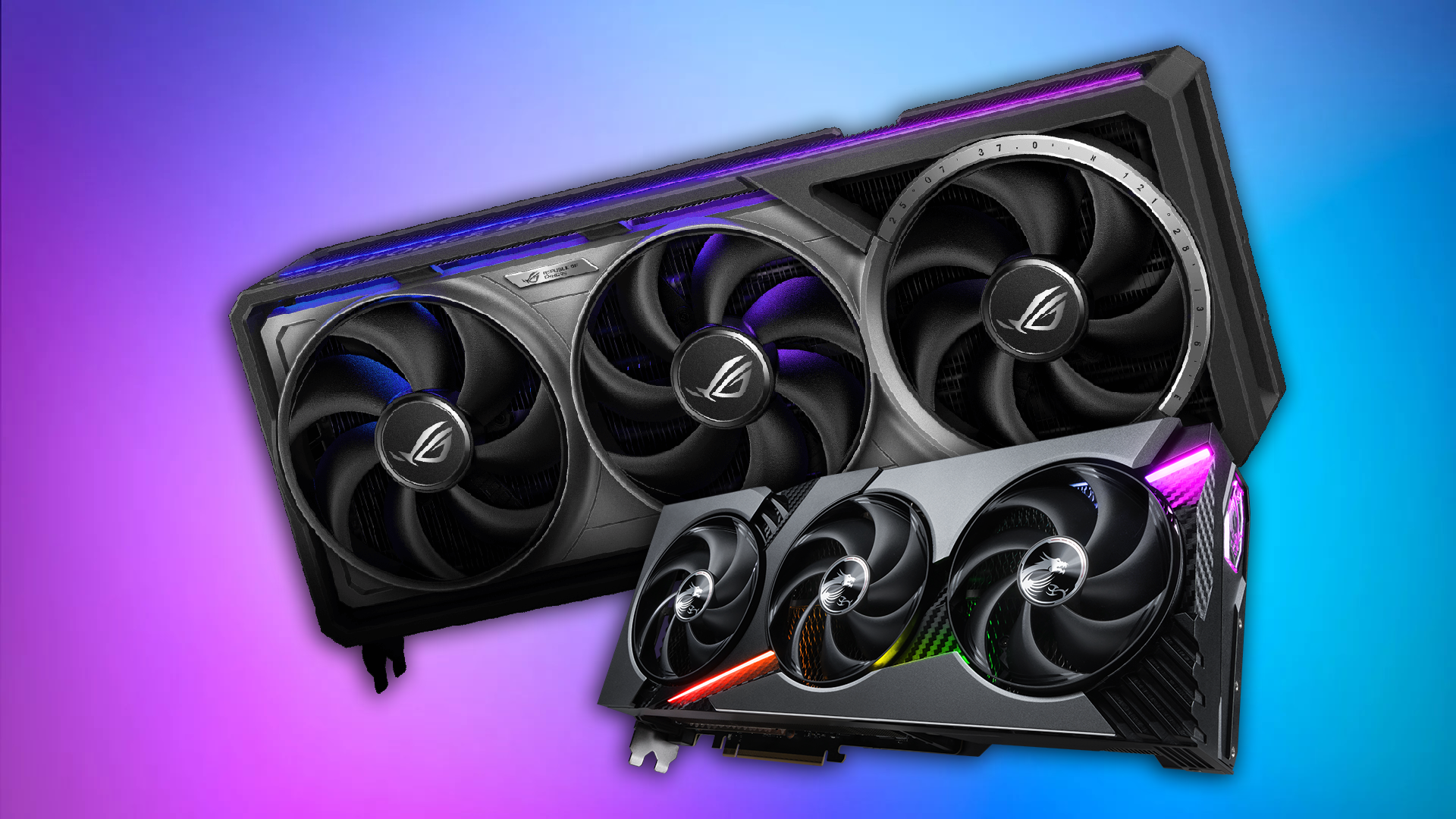
NVIDIA enthusiasts and gamers, brace yourselves. The latest developments from the graphics card world might just hit your wallet harder than expected. Due to a pressing shortage, NVIDIA’s board partners have opted to dramatically raise prices on both the RTX 5090 and RTX 5080 graphics cards, creating a stir among consumers.
In an unexpected move, manufacturers like ASUS and MSI are pricing these much-anticipated components up to a staggering 70% above the Manufacturer’s Suggested Retail Price (MSRP). This is a trend often associated with scalpers, yet these alterations are backed by the official channels, adding strain to the gaming community’s finances.
Recent weeks have seen a noticeable uptrend in GPU prices across multiple retailers. However, the extent of the price hike from big players like ASUS and MSI feels like a shocker to many. Typically, you’d expect to find at least some balance, but they’ve made these steep pricing the new norm.
Zooming in on the specifics, a visit to ASUS’s website reveals the variance. Among the RTX 5080 models, only the PRIME GeForce RTX 5080 sits at its MSRP of $999. Nevertheless, other models have marked up costs. The situation with the ASUS RTX 5090 editions is even more stark: the swanky ROG Astral RTX 5080 OC hits $1,649, but when we talk about its RTX 5090 equivalent, prices skyrocket to $3,079—yet even at such a high price point, availability remains an issue.
For those considering ASUS’s offerings, the TUF Gaming GeForce RTX 5090 OC stands as the most budget-friendly at $2,749.99, though this reflects a 37.5% hike from the Founder’s Edition. The ROG Astral RTX 5090 OC is priced 53% higher, and the ROG Astral LC RTX 5090 hits an unbelievable 70% increase at $3,409.
MSI, on the other hand, gives a slightly better proposition but still calls for a serious spend. Their entry-level RTX 5080, the Ventus 3X, costs $1,139, while the high-end RTX 5080 16G Suprim Liquid SOC is priced at $1,499. MSI’s RTX 5090 options aren’t much different, starting at $2,379 for the Ventus 3X and climbing to $2,789 with the RTX 5090 Suprim Liquid SOC. This reflects a price swell of up to 50% for the RTX 5080 and 39.5% for the RTX 5090.
Given these circumstances, it might be wise for buyers to hold off. These price hikes don’t equate to additional value, and patience could pay off as prices stabilize. Alternatively, gamers might want to keep an eye out for the upcoming RTX 5070 Ti and RTX 5070, which could offer better bang for the buck once released. Smaller shifts in strategy, like this, could prove more rewarding for budget-conscious tech enthusiasts.