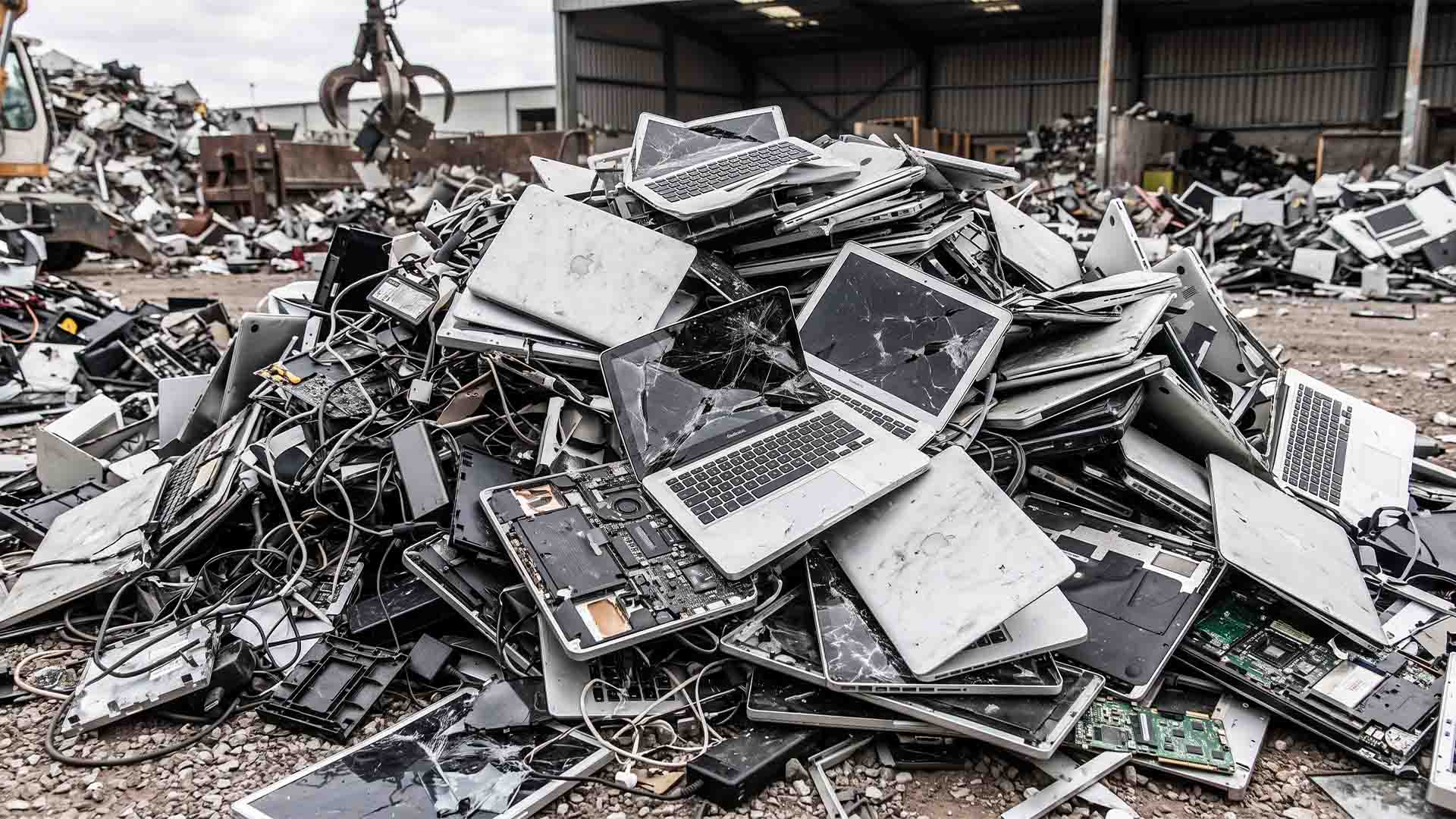
Over 100 M4 MacBook Pro Laptops With 48GB RAM Reportedly Set to Be Destroyed Amid DRAM Shortage
As demand for AI hardware continues to squeeze the global memory supply, many consumers and businesses are being urged to extend the life of existing computers instead of replacing them too quickly. With DRAM prices under pressure and high-end laptops becoming more expensive, working hardware has never been more valuable.
That is why a recent claim from a former technology company employee has sparked frustration online. According to the individual, a large tech firm is preparing to destroy more than 100 MacBook Pro laptops after closing an office in an unnamed country following a final round of layoffs.
What makes the situation especially controversial is the hardware involved. These are reportedly not outdated or unusable machines. The laptops are said to be M4 MacBook Pro models equipped with 48GB of unified memory, making them powerful enough for demanding professional workloads such as software development, video editing, design, data analysis, and AI-related tasks.
Destroying fully functional MacBook Pro units raises serious questions about e-waste, corporate responsibility, and the way companies handle valuable equipment during restructuring. At a time when many people are struggling to afford premium laptops, the idea of sending modern, high-performance machines to be scrapped feels wasteful.
The former employee argued that there was no clear technical reason to destroy the laptops. If data security was the concern, the devices could have been securely wiped, reset, and repurposed. Businesses routinely erase storage drives and reinstall operating systems before selling, donating, or redeploying used computers. For modern Macs, secure device management and storage encryption make it possible to remove sensitive company data without physically destroying the hardware.
A more practical option would have been to donate the laptops to employees affected by the layoffs, provide them to schools, support nonprofit organizations, or resell them through a certified refurbishing program. Any of these choices would have extended the life of the devices while reducing electronic waste.
The reported decision is even harder to justify when looking at the current cost of similarly configured Apple laptops. A MacBook Pro with a high unified memory configuration can cost thousands of dollars, and moving up to 48GB of memory often requires selecting a more expensive chip tier. For professionals, students, and small businesses, machines like these remain highly desirable and far from obsolete.
Some online commenters speculated that the company may be treating the destroyed laptops as a financial loss or tax-related write-off connected to the office closure and layoffs. However, even if that is legally or financially convenient, it does little to address the environmental impact or public perception of destroying premium working hardware.
The broader issue goes beyond one company. The tech industry is facing growing scrutiny over sustainability, repairability, and e-waste. Laptops, smartphones, servers, and other electronics contain valuable components and materials that require energy-intensive manufacturing processes. Throwing away functional devices increases environmental harm and wastes resources that are becoming more expensive and harder to source.
With AI companies consuming enormous amounts of memory and computing hardware, the pressure on DRAM supply is expected to remain a major concern. That makes preservation and reuse more important than ever. Businesses can reduce costs and environmental damage by maintaining existing devices longer, refurbishing older machines, and creating responsible donation or resale policies.
For consumers, the message is similar. Keeping a laptop in service for an extra year or two, upgrading storage where possible, replacing batteries, or buying refurbished equipment can help reduce waste and save money. Not every device needs to be replaced the moment a newer model arrives.
If the claim about these M4 MacBook Pro units is accurate, it serves as a frustrating example of how valuable technology can be discarded despite having years of useful life remaining. In a market where powerful laptops are expensive and memory shortages are driving costs higher, destroying more than 100 high-end machines feels like the wrong move at the wrong time.
A smarter approach would be simple: wipe the data, refurbish the hardware, and put the laptops back into use. That would benefit workers, communities, businesses, and the environment far more than sending capable computers into the growing pile of global e-waste.