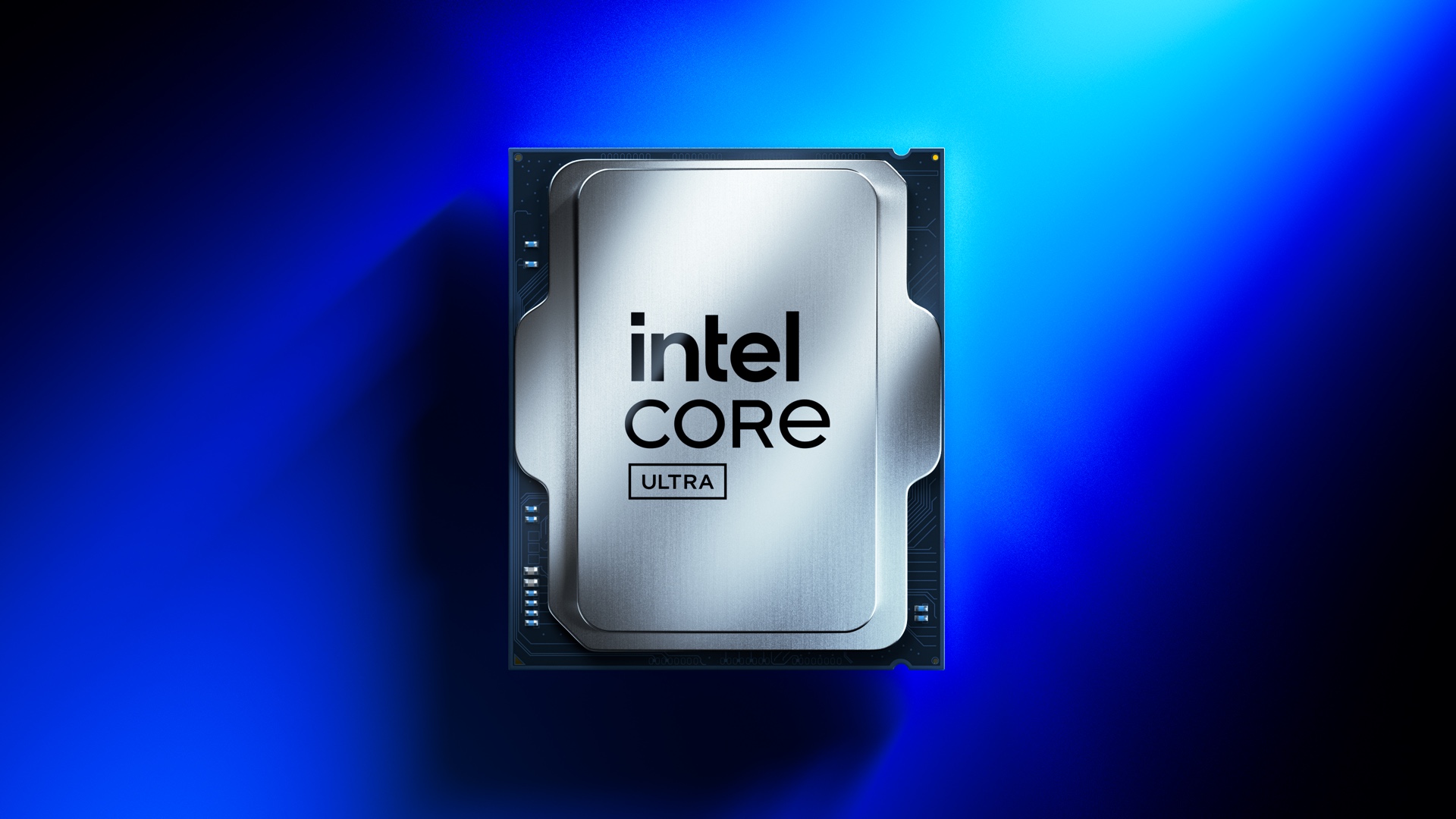
Intel is said to be gearing up for sizable price increases across its consumer desktop CPU range this year, even as its lineup has started to look more competitive thanks to newer Core Ultra 200S “Plus” models. If the latest supply chain chatter holds true, shoppers could be staring at cumulative CPU price hikes of up to 30% before the year is over, with the final number heavily influenced by how aggressively enterprise and AI customers keep buying.
The biggest driver behind this shift is a growing tug-of-war for manufacturing capacity. CPUs are now getting pulled into the same supply squeeze that has already been affecting other parts of the PC hardware market, and the AI infrastructure boom is a major reason why. Demand tied to large-scale AI deployments is accelerating, and it’s forcing chipmakers to prioritize whichever segment delivers the highest volume and the biggest margins. Right now, that often means data center and AI-focused orders take precedence over consumer retail shelves.
Reports indicate Intel has already moved through multiple rounds of pricing adjustments in a short period, with earlier increases stacking up quickly compared to prices seen at the start of the year. Another adjustment has been rumored as well, but there are limits to how far prices can climb in one go because Intel still faces intense competition from both AMD and Arm-based alternatives. Even so, the direction is clear: pricing pressure is building, not easing.
For gamers and PC builders, the warning signs are already there. Recent CPU launches and refreshes have shown pricing in real-world retail channels drifting above the “official” suggested pricing, which can be an indirect indicator that supply is tight and demand is pulling product away from the consumer market. When inventory gets constrained, discounts dry up, street prices rise, and even midrange CPUs become harder to recommend at their new cost.
It’s also important to note that any increase likely won’t be limited to the newest lineup. Older and still-popular families could be impacted as well, meaning buyers who were hoping to save money by choosing last-gen parts may not be spared. If pricing pressure spreads across multiple generations, it could raise the baseline cost of building or upgrading a PC overall.
AMD is dealing with similar market forces because enterprise CPU demand is extremely strong, but it hasn’t leaned into consumer price hikes in the same way so far. Its manufacturing strategy and the availability of foundry capacity may give it a bit more flexibility in the short term. Still, when the server market is this hot, no major CPU maker can afford to ignore it—so consumers often end up competing with data centers for the same silicon.
The bottom line is that CPU pricing in 2026 may be shaped less by traditional PC upgrade cycles and more by the ongoing AI buildout. If you’re planning a new gaming PC, workstation build, or a straightforward platform upgrade, it may be worth keeping a close eye on retail pricing trends and acting sooner rather than later if you spot a genuinely good deal—because the weeks ahead may not bring the discounts buyers are used to seeing.