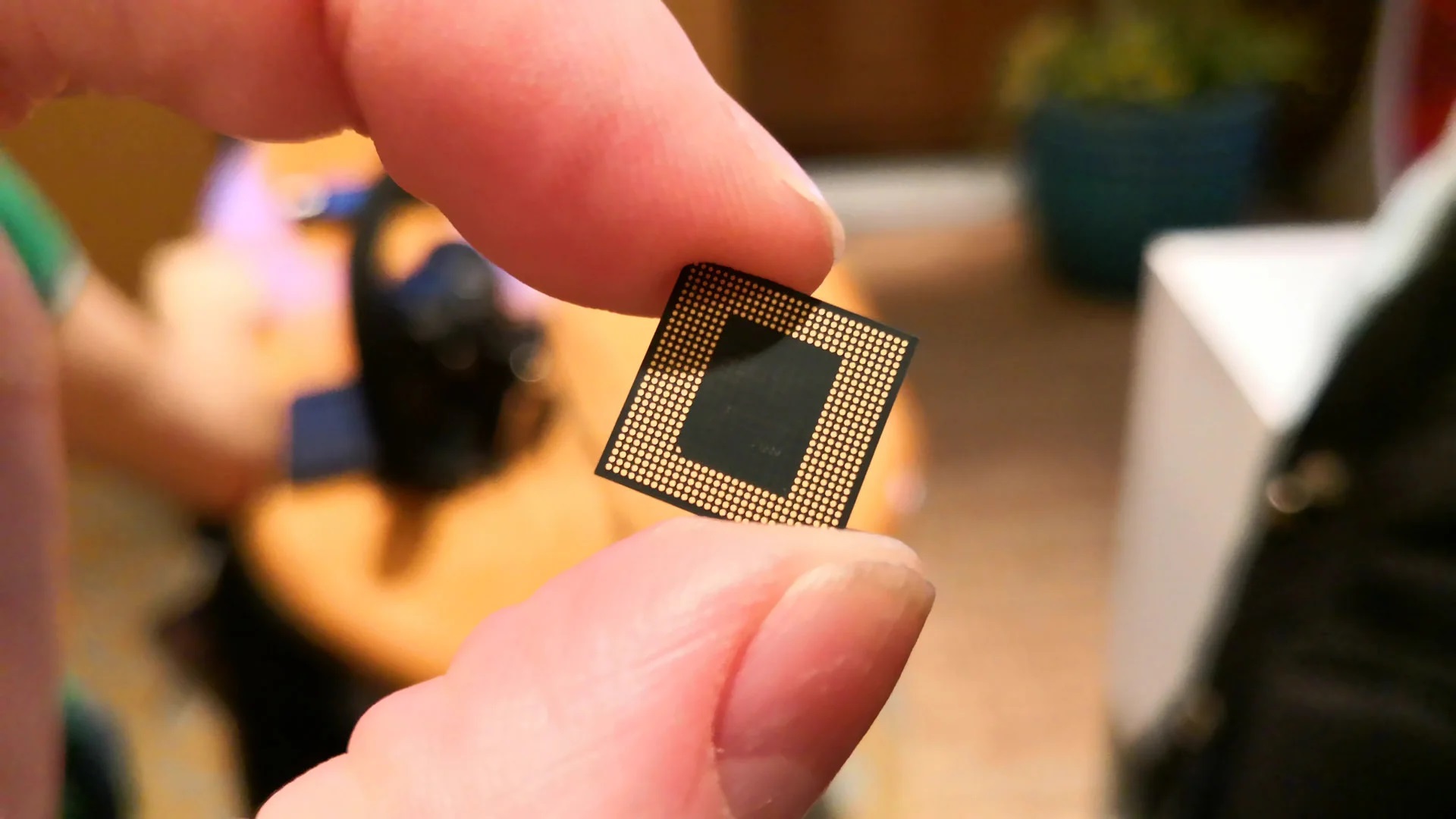
Qualcomm’s latest developments with its Oryon cores have sparked quite a buzz in the tech world, particularly with British chip design firm ARM. Their legal tussle, centered around alleged breaches of licensing agreements by Qualcomm and Nuvia, recently hit a stalemate as an eight-member jury couldn’t reach a definitive conclusion. Despite this, ARM isn’t ready to back down and previously indicated a push for a retrial. However, there’s been a significant shift in the narrative following Qualcomm’s recent earnings call.
Qualcomm’s CEO, Christiano Amon, revealed that ARM has decided to backtrack on its aggressive stance. The earlier threats to revoke Qualcomm’s licensing agreements have been shelved. ARM’s decision represents a notable turnaround from its October stance when it attempted to cut off Qualcomm due to the licensing dispute, following Qualcomm’s acquisition of Nuvia.
The initial tensions stemmed from ARM’s assertion that Nuvia violated specific agreements, leading to legal action. Yet, during the December 2024 trial, Judge Maryellen Noreika expressed doubt that a repeated court battle would yield a clear winner, prompting her to suggest a mutual agreement.
This recent detente suggests that Qualcomm and ARM might have resolved their differences privately, potentially involving revised licensing terms. This resolution might not only ease tensions between the two giants but could also set a precedent in the industry, possibly inspiring companies like MediaTek to pursue similar strategies for developing advanced chipset cores in the future.
All eyes will now be on these industry leaders to see how these developments will influence the market dynamics and future licensing arrangements.