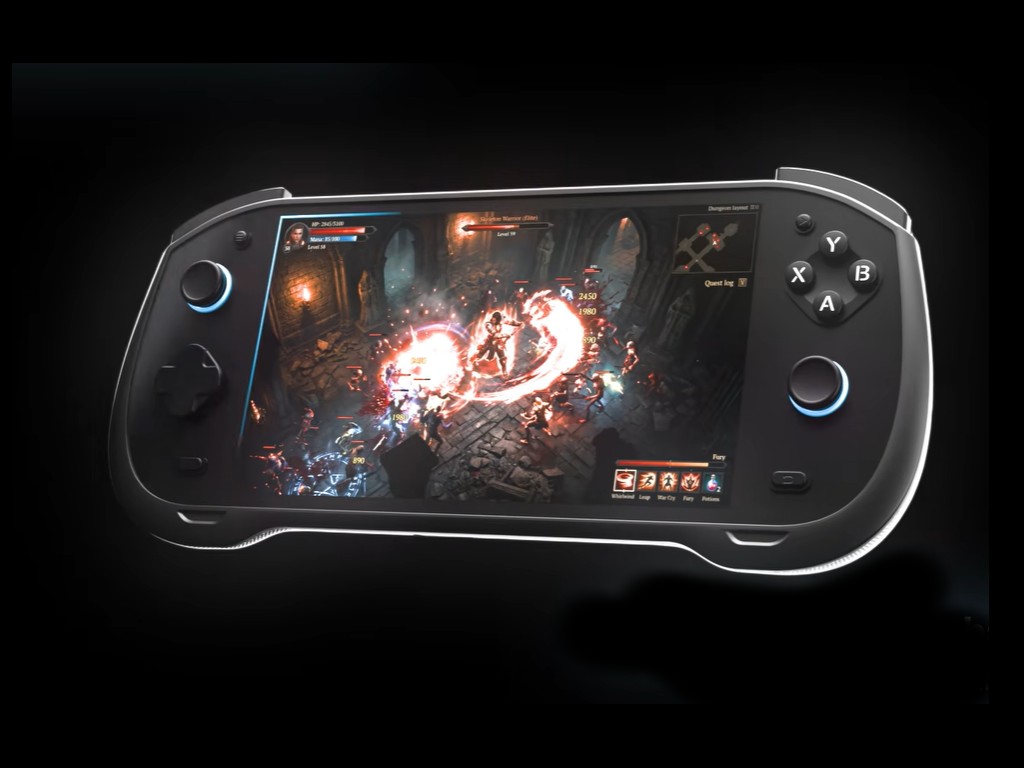
Arc X1 Android Handheld Debuts With 7-Inch 120Hz Display, Snapdragon Power, and a Huge 9,300mAh Battery
The Android gaming handheld market is getting a new challenger, and this time it comes from India. Arc has introduced the Arc X1, its first portable gaming device aimed at players who want a compact machine for Android games, cloud gaming, emulation, and even PC game streaming or compatibility tools.
The Arc X1 arrives with a strong spec sheet for a handheld gaming console. It features a 7-inch touchscreen with a 1920 x 1080 resolution and a smooth 120Hz refresh rate, making it well suited for fast-paced games and responsive navigation. The LCD panel is protected by Gorilla Glass 3 and can reach more than 500 nits of peak brightness, which should help visibility in brighter environments.
At the heart of the device is the Snapdragon G2 Gen 2 processor. This chip is designed for gaming-focused handhelds and is paired with 8GB of LPDDR5X RAM and 128GB of UFS 3.1 storage. For players with large game libraries, the Arc X1 also includes a microSD card slot that supports up to 1TB of additional storage.
Connectivity is another key part of the package. The handheld supports Wi-Fi 6E, Bluetooth 5.4, and includes a USB 3.1 Gen 1 Type-C port with display output support. There is also a 3.5mm audio jack, stereo speakers, and noise-cancelling microphones, giving users more flexibility whether they are gaming with headphones, chatting online, or connecting the device to a larger screen.
One of the biggest highlights of the Arc X1 is its battery. The handheld packs a large 9,300mAh battery, which is bigger than what many competing Android gaming devices offer. Arc claims the X1 can deliver more than 8 hours of use on a single charge, depending on the workload, with standby time rated at up to 10 days. Charging is handled at up to 27W through USB Power Delivery.
That large battery does add some weight. The Arc X1 weighs close to 500 grams, so it may feel heavier than smaller retro handhelds. However, Arc appears to be targeting users who prioritize battery life, performance, and a larger screen over ultra-light portability.
The design is built around gaming comfort. The Arc X1 uses a polycarbonate body with an oleophobic coating on the back. It comes in black and includes textured ergonomic grips for better control during long gaming sessions. The rear design also features an owl-shaped intake vent for the cooling fan, giving the device a distinctive look.
For controls, the Arc X1 includes asymmetrical TMR thumbsticks with RGB rings, textured shoulder buttons, adjustable triggers with trigger locks, two rear buttons, a six-axis gyroscope, and micro-switch controls for the D-pad and ABXY buttons. The stereo speakers are positioned below the display, while the power and volume buttons sit along the top edge.
On the software side, the Arc X1 runs OwlOS, a custom interface built on AOSP. Arc describes the software as a controller-first experience, designed to make navigation easier without relying heavily on touch controls. The system is built to support native Android games, cloud gaming services, and PC game tools such as Winlator, GameNative, and GameHub.
Players will also be able to fine-tune performance settings. Arc says users can adjust performance modes and create game-specific profiles, which should help balance frame rates, thermals, and battery life depending on the title being played. The company also plans to provide over-the-air firmware updates.
Another interesting detail is Arc’s approach to repairability. The company says it intends to make replacement parts available, including batteries, joysticks, and daughterboards. If handled well, this could make the Arc X1 more appealing to long-term users who want a device that can be maintained instead of replaced.
The Arc X1 is priced at ₹33,500, which is around $349 or €305. Community members will get a lower price of ₹29,500, roughly $307 or €269. At this price, the device enters a competitive segment of the Android handheld market, especially against other 7-inch gaming handhelds with high-refresh-rate displays and powerful Snapdragon processors.
Reservations for the Arc X1 are scheduled to open on October 2 and will require a token payment. However, buyers will need to be patient, as the first batch is expected to begin shipping in Q1 2027.
With its 120Hz display, large battery, modern connectivity, controller-focused software, and gaming-ready Snapdragon hardware, the Arc X1 could become one of the more interesting Android gaming handhelds to watch. Its success will likely depend on final software polish, real-world performance, battery life, and whether Arc can deliver a reliable launch experience when shipments begin.