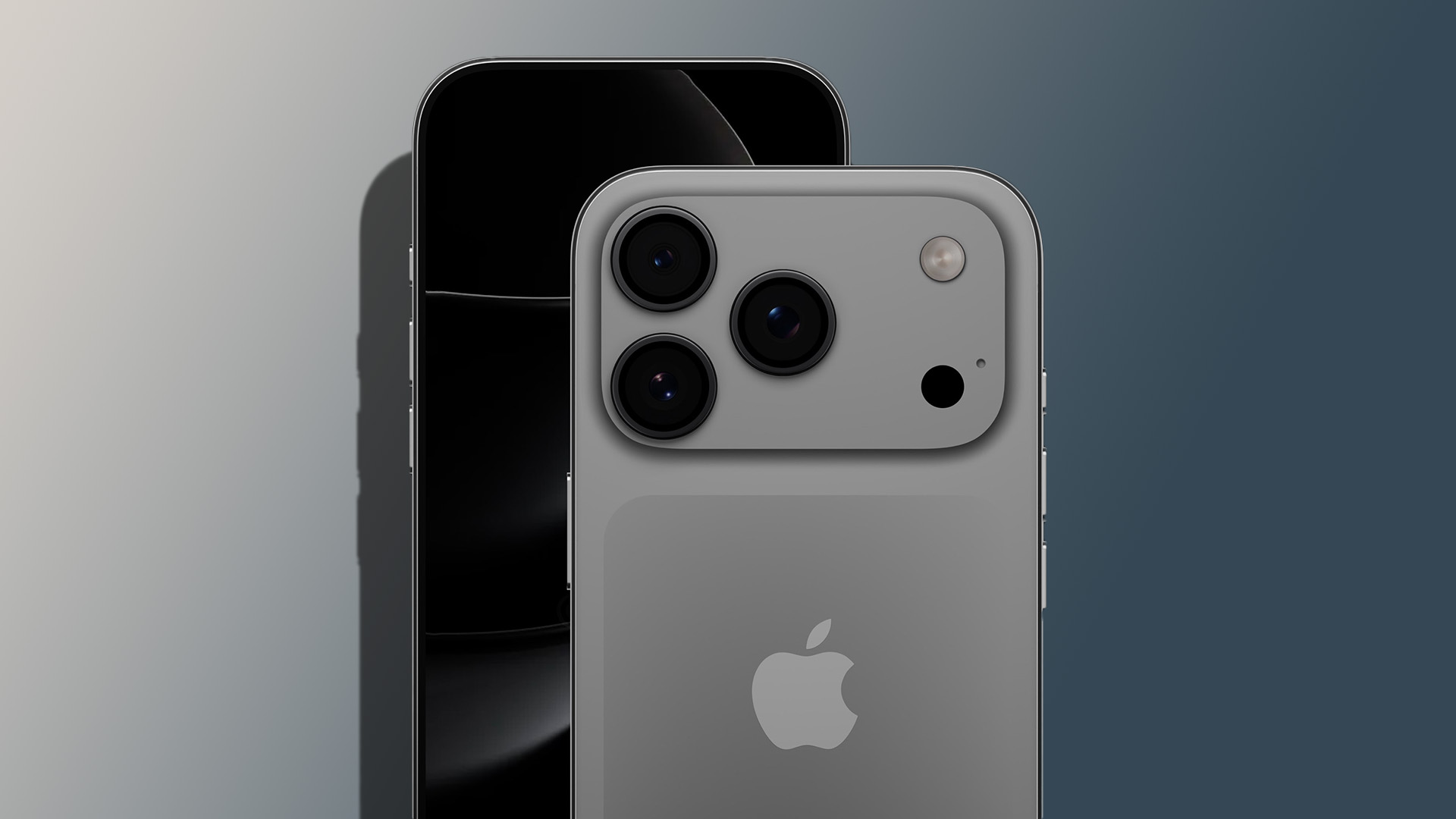
The recent decision by the U.S. government to pause tariffs for 90 days offered a brief respite for many trading countries, yet China was notably excluded from this leniency. This decision is particularly significant for Apple, as China hosts the company’s largest iPhone supply chain and is now facing tariffs as high as 25%. With Foxconn’s major production hub in Shenzhen and the clock ticking, Apple might soon be compelled to raise the prices of their iPhones. However, analysts suggest there might be a workaround for this dilemma.
Experts propose that Apple could shift its focus to promoting the larger storage models of the upcoming iPhone 17 Pro and iPhone 17 Pro Max. This strategy could potentially enhance Apple’s profit margins, as it is reported that the tech giant typically sees a 10 to 15 percent increase in gross margin for each higher storage variant sold.
Despite Apple’s gradual resurgence in the market, the tech giant faced a steep $640 billion loss in market value over three days following the tariff announcement. This loss comprises nearly one-fifth of the company’s total worth. Even with a temporary reprieve from the tariffs, both consumers and Apple should brace themselves for potential price hikes on the iPhone 17 lineup.
Morgan Stanley analysts, however, propose a plan for Apple to mitigate the tariff impact while maintaining healthy margins. By enticing consumers towards higher-capacity models, Apple can offset some costs. Additional efforts include expanding iPhone production in India. Presently, India produces approximately 30 to 40 million iPhones each year. Given that the U.S. imported 66 million units in the last year, production in India would need to increase significantly.
Although India has the workforce and capability to boost production numbers, Morgan Stanley analysts warn that scaling up to meet this demand could take anywhere from six to 12 months, far beyond the 90-day tariff pause. The issue of whether India might be exempt from tariffs remains uncertain, with industry analyst Ming-Chi Kuo previously noting that Apple may ultimately need to raise the prices of its ‘Pro’ models due to these economic pressures.