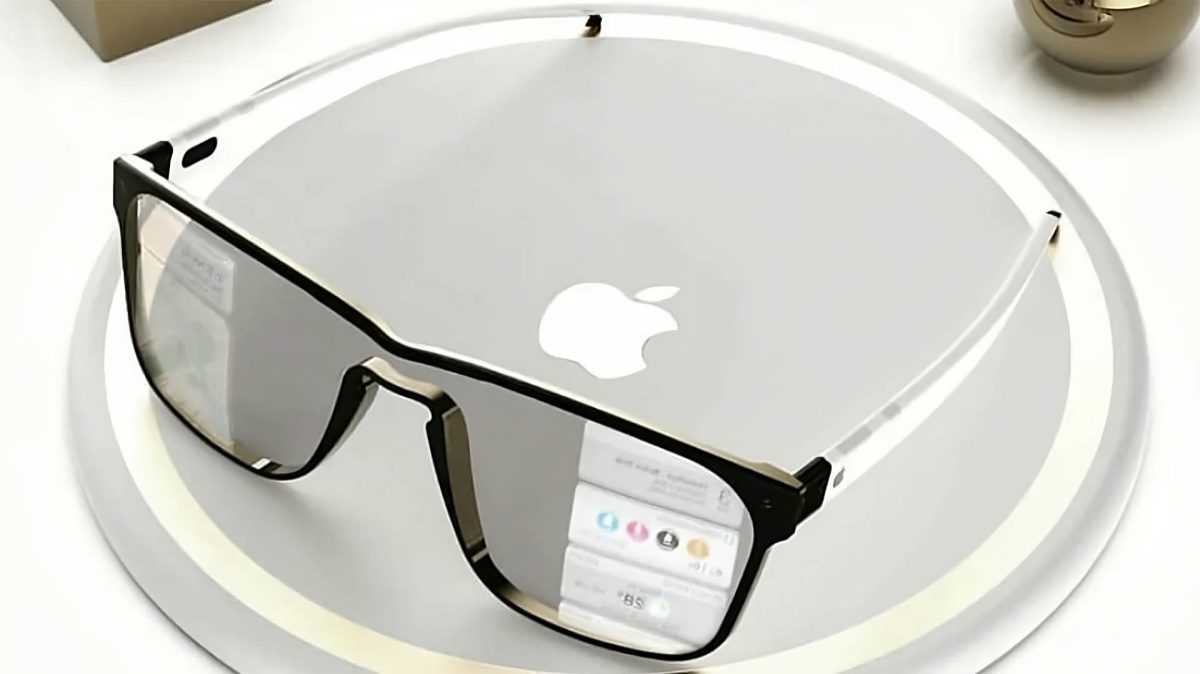
Apple is gearing up to challenge Meta’s Ray-Ban smart glasses with its own innovative version, set to debut as soon as next year. While these glasses will be smart, they won’t match the full capabilities of the Vision Pro. Apple is focusing on refining the technology for future iterations, so the upcoming release will offer a distinctive experience.
According to reports, Apple plans to launch these smart glasses in the latter part of next year, likely in the final quarter. The design aims to compete with Meta’s Ray-Bans and the latest Android XR glasses, featuring camera sensors, microphones, and impressive AI capabilities. They will allow users to capture photos, record videos, and include robust privacy features to ensure people know when recording is happening.
Beyond basic photography and video functions, these smart glasses will showcase turn-by-turn navigation, translation services, music playback, and voice call capabilities. They will also offer feedback on the user’s surroundings, which is a promising accessibility feature for individuals with visual impairments. Users can even ask questions and receive real-time answers about their environment.
Although these glasses won’t support augmented reality for now, this capability is reserved for future development. Siri will play a significant role, and Apple is working hard to enhance its digital assistant before the glasses hit the market.
Driven by a desire to outpace its competitors, Apple is accelerating its development efforts. CEO Tim Cook is particularly focused on launching these smart glasses to stand up to Meta’s offerings. The company is optimistic about the market potential and plans to produce large quantities of prototypes by year’s end to prepare for mass production.
An Apple insider has noted that while the smart glasses resemble Meta’s, they promise superior craftsmanship. Unlike competitors, Apple intends to leverage its proprietary AI models, paving the way for highly immersive AR glasses in the future. This strategic delay also allows time for the costs of essential components, like batteries and chips, to decrease.