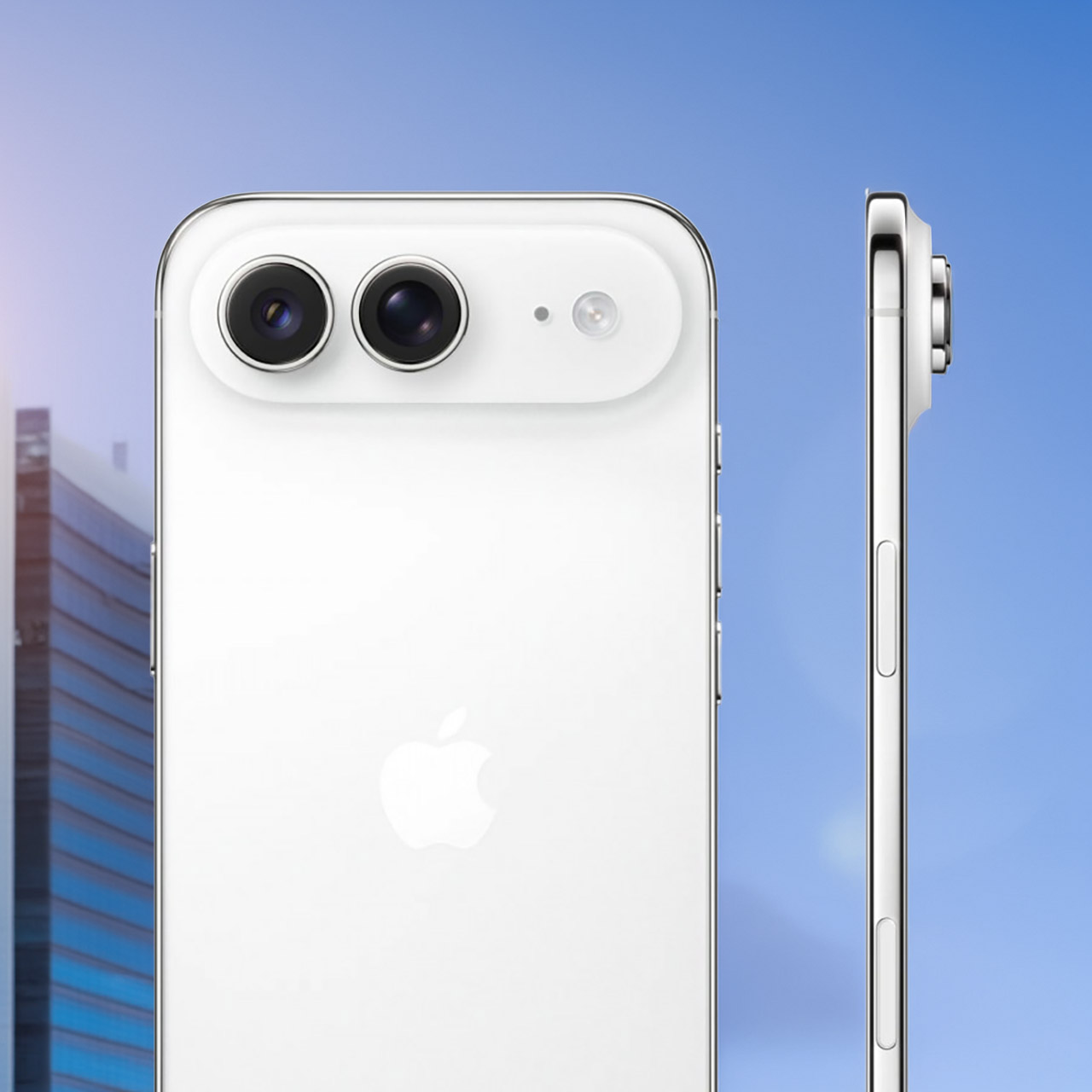
Apple’s ultra-thin iPhone Air is now widely seen as a miss with mainstream buyers. While Apple has positioned the iPhone Air as more of a technology testbed than a volume seller, the rumored upgrades planned for the iPhone Air 2 suggest the company knows the current formula needs a major boost in real-world value.
The challenge is easy to understand. At a reported $999 price point, the first iPhone Air offered compromises that many shoppers won’t accept: a reduced battery capacity, a single 48MP rear camera (even with a Telephoto-like, optical-quality 2x zoom), and just one speaker. In a premium price bracket, those trade-offs can overshadow the sleek design.
A new report says Apple plans to make the iPhone Air 2 much more competitive by adding a dual-camera system. The second camera is expected to be an ultra-wide lens, a practical upgrade that would immediately make the phone more versatile for travel shots, group photos, and tight indoor scenes. The same report also claims Apple is aiming for a lower launch price for the iPhone Air 2 compared with the original model, which could help the thin-and-light concept appeal to more than just early adopters.
The iPhone Air 2 is also rumored to be arriving later than originally expected. Instead of landing in the typical fall window, the device has been reported as delayed until spring 2027. Early chatter pointed to Apple taking extra time to accommodate the dual-camera design in an ultra-slim body. However, another well-known industry voice has suggested the bigger factor is Apple’s next-generation A20 chip, expected to use TSMC’s 2nm manufacturing process along with advanced Wafer-Level Multi-Chip Module packaging. That packaging approach reportedly enables tighter integration of key components—such as the processor and memory—directly at the wafer level, which could be important for improving efficiency and performance in a thinner phone where battery size is limited.
If TSMC’s 2nm capacity is constrained early on, shifting the iPhone Air’s timing could also be a practical move. A spring launch alongside the iPhone 18 and iPhone 18e (rather than pairing the Air with the fall 2026 lineup) would help Apple manage supply of the A20 chip while still keeping its product roadmap moving.
Importantly, Apple reportedly never expected the iPhone Air to be a blockbuster. The company is said to have projected the model would account for roughly 6% to 8% of annual iPhone sales. That smaller target supports the idea that iPhone Air exists to explore new design directions and validate emerging technologies—while future versions, like the iPhone Air 2, attempt to bring the concept closer to what everyday buyers want: better cameras, a more sensible price, and fewer compromises for choosing ultra-thin.