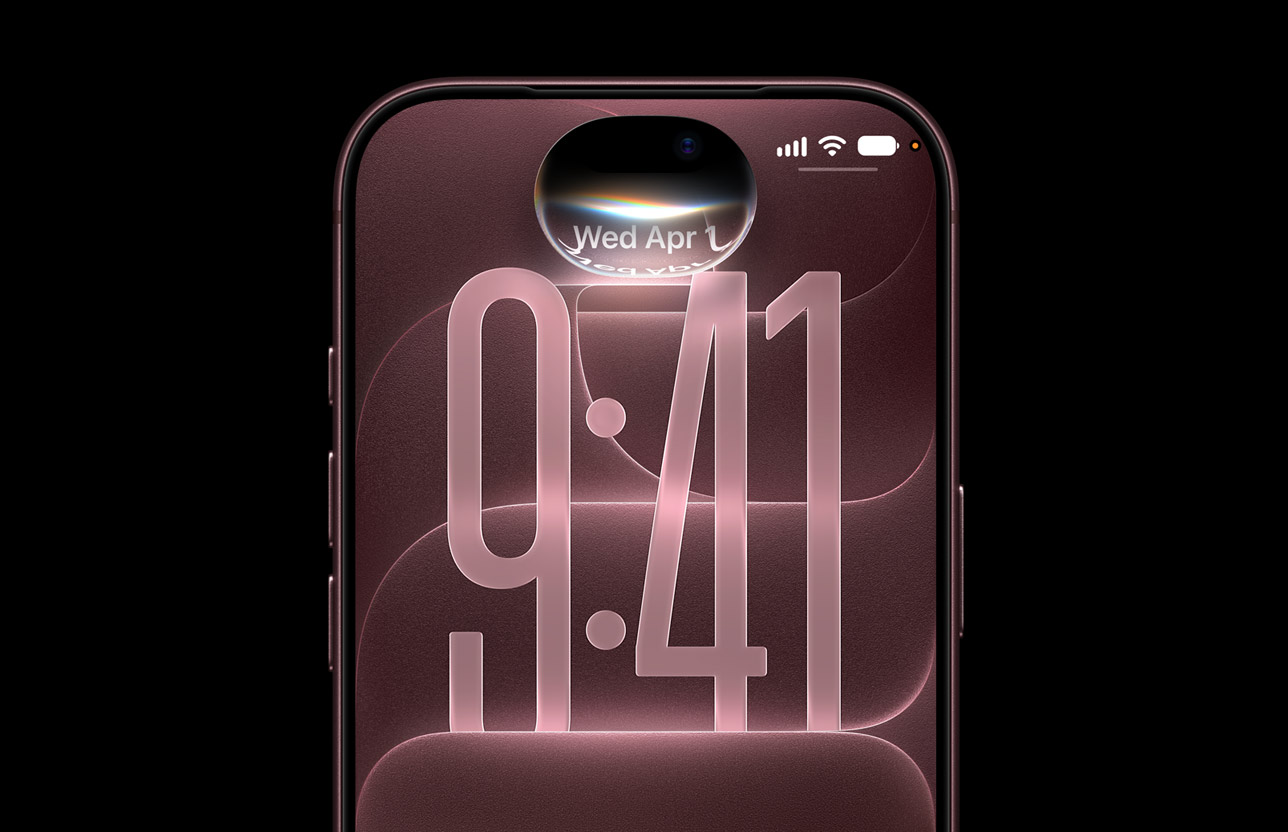
Apple’s iPhone 18 Pro display may be showing signs of cost cutting
Apple’s latest iPhone 18 Pro lineup is under fresh scrutiny after independent testing suggested that the phone’s OLED display may not match the quality standards set by last year’s model. While Apple’s Pro iPhones are typically praised for their premium screens, new measurements point to a noticeable regression in viewing-angle color accuracy on the Samsung-made G9N OLED panel used in the iPhone 18 Pro.
The concern centers on JNCD, or Just Noticeable Color Difference, a measurement used to determine when a color shift becomes visible to the human eye. In testing, the iPhone 18 Pro’s panel reportedly reaches the perceptible color-shift threshold at around 20 degrees off-axis. That means users may begin to notice color changes even when looking at the screen from relatively small angles.
The issue becomes more obvious as the display is tilted further. Measurements suggest the color shift peaks near 3.0 JNCD at roughly 35 to 40 degrees before dropping again at wider angles. That is an unusual result because everyday smartphone use usually happens at smaller off-axis angles, not extreme viewing positions. In practical terms, the iPhone 18 Pro display appears to perform worse at the angles people are more likely to use.
Compared with the iPhone 17 Pro’s Samsung-made G9N panel, the new panel appears less consistent. Last year’s display reportedly showed a more controlled color shift, peaking around 2.2 JNCD at wider angles. The iPhone 18 Pro’s OLED panel also appears to drift more strongly toward green, which could make whites and neutral tones look less accurate when the phone is viewed slightly off-center.
This is significant because Samsung’s G9N panel had previously been considered one of the stronger display options in Apple’s supply chain. It was known for maintaining better viewing-angle performance than competing panels. If the latest test results are representative of retail units, the iPhone 18 Pro may no longer hold the same advantage.
The display concerns arrive shortly after separate testing raised questions about storage performance in the iPhone 18 Pro Max. According to those findings, the 1TB and 2TB versions use QLC NAND storage, while the 256GB and 512GB models continue using TLC NAND. QLC storage can offer higher capacity at a lower cost, but it may suffer from slower sustained write speeds once temporary cache is exhausted.
That means buyers choosing the more expensive 1TB or 2TB iPhone 18 Pro Max models could potentially receive slower sustained storage performance than those purchasing lower-capacity versions. Combined with the reported display regression, the findings have fueled speculation that Apple may be making more aggressive component cost decisions with the iPhone 18 Pro series.
Supply chain reports have suggested that Apple pushed for lower OLED panel pricing for the iPhone 18 Pro Max. The company reportedly targeted a price of around $70 per display panel, with suppliers potentially being pressured even lower, compared with roughly $80 for the previous generation. That would represent a meaningful reduction in panel cost.
There is no confirmed direct connection between lower panel pricing and the reported viewing-angle issue. However, the timing has raised questions. A premium iPhone with a starting price of $1,199 is expected to deliver best-in-class display quality, and even small regressions can stand out in a market where flagship smartphones are judged by extremely fine margins.
For most users, the iPhone 18 Pro display will likely still look bright, sharp, and vibrant during normal use. But for those who care about color accuracy, OLED consistency, and premium display tuning, the reported shift at small viewing angles could be disappointing. It may be especially noticeable when viewing white backgrounds, photos, videos, or interface elements while the phone is slightly tilted.
As always with third-party testing, results can vary between production batches and suppliers. A single set of measurements does not automatically mean every iPhone 18 Pro unit will behave the same way. Still, the findings add to a growing conversation around whether Apple’s latest Pro models deliver the same uncompromised hardware quality that buyers expect at flagship prices.
For now, the iPhone 18 Pro remains a powerful high-end smartphone, but the reported OLED display behavior and storage differences may give careful buyers more reason to compare models before upgrading. Users considering the 1TB or 2TB versions may want to pay particular attention to real-world storage tests, while display-sensitive users may want to check the screen in person before making a purchase.


