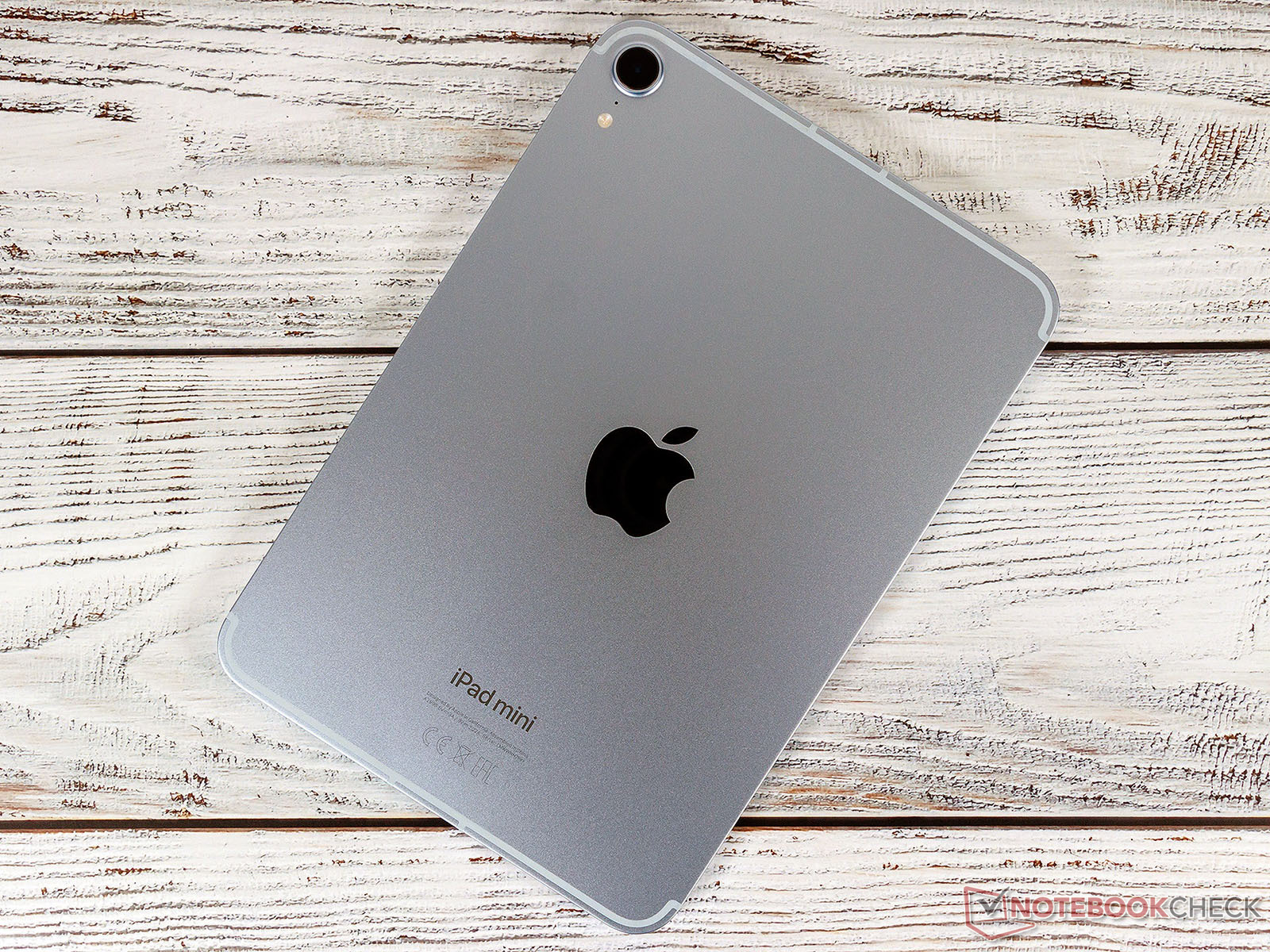
Apple iPad mini 8 OLED Rumor Points to a 2026 Launch, But One Key Upgrade May Be Missing
Apple’s next compact tablet is already generating buzz, and the biggest expected change for the iPad mini 8 is its move to an OLED display. Rumors suggest the new model could arrive later in 2026 with an 8.4-inch OLED screen, marking a major visual upgrade for fans of Apple’s smallest iPad.
However, the latest display leak may disappoint users hoping for a truly premium screen experience. While OLED should bring richer colors, deeper blacks, and stronger contrast compared to the current iPad mini, the panel may still be limited to a basic 60Hz refresh rate.
The rumored iPad mini 8 OLED display is said to use a hybrid OLED panel based on LTPS technology. LTPS OLED panels are generally more affordable than LTPO panels, but they typically do not support the same flexible refresh rate features found on higher-end devices. That means the iPad mini 8 may miss out on Apple’s ProMotion technology, which allows smoother scrolling and more responsive animations at up to 120Hz.
If this leak proves accurate, the iPad mini 8 would gain the visual benefits of OLED but not the fluid motion many users now expect from premium tablets. The current iPad mini 7 already uses a 60Hz display, so Apple’s smaller tablet may not feel dramatically smoother despite the new screen technology.
This could become a sticking point for buyers in 2026. Many Android tablets, including models from Samsung, Oppo, and other brands, already offer 120Hz or even higher refresh rate displays. Some compact tablets have pushed refresh rates as high as 144Hz, giving them a clear advantage in scrolling, gaming, and overall responsiveness.
Apple may try to balance that limitation with performance. The iPad mini 8 is rumored to feature an A19 Pro chip, which would likely make it a powerful device for gaming, multitasking, drawing, reading, and everyday tablet use. With a fast processor and an OLED screen, the new iPad mini could still be one of the most capable compact tablets on the market.
Still, the lack of a 120Hz display may be hard to overlook, especially as Apple has already brought higher refresh rates to more products. The iPad Pro lineup uses advanced tandem OLED technology with dynamic refresh rates between 10Hz and 120Hz, while recent iPhone models have also started narrowing the gap between standard and Pro display features.
Apple may be keeping ProMotion away from the iPad mini to control costs, protect the iPad Pro lineup, or manage OLED panel supply. Whatever the reason, a 60Hz OLED screen could make the iPad mini 8 feel less ambitious than expected.
For users who mainly want a compact iPad with better contrast, improved movie playback, and a more modern display, the iPad mini 8 OLED could still be a meaningful upgrade. But for those waiting for a small iPad with a high-refresh-rate screen, the rumored specs suggest Apple may not be ready to deliver that experience just yet.
If the iPad mini 8 does launch in 2026 with an OLED display, it will likely attract attention from students, travelers, gamers, and readers who prefer a lightweight tablet. But whether it becomes a must-buy upgrade may depend on pricing and whether buyers are willing to accept 60Hz in a market where smoother displays have become increasingly common.


