Apple’s Future iPhone Cameras Could Use Heat-Absorbing Fluid for Better Performance
Apple continues to push mobile photography forward, and a newly granted patent suggests the company is exploring an unusual way to improve future iPhone camera performance: using heat-absorbing fluid inside the camera module.
As smartphone cameras become more advanced, they are also becoming more complex. Larger sensors, more powerful image processing, moving stabilization parts, autofocus systems, and compact module designs all create one major challenge: heat. Excess heat can reduce image quality, limit performance, and make it harder for camera components to operate at their best for long periods.
Apple’s patent outlines a camera system designed to manage that heat more effectively without interfering with the camera’s optical path. Instead of turning the camera into a liquid lens or changing how light is focused, the proposed design uses fluid as a thermal management tool.
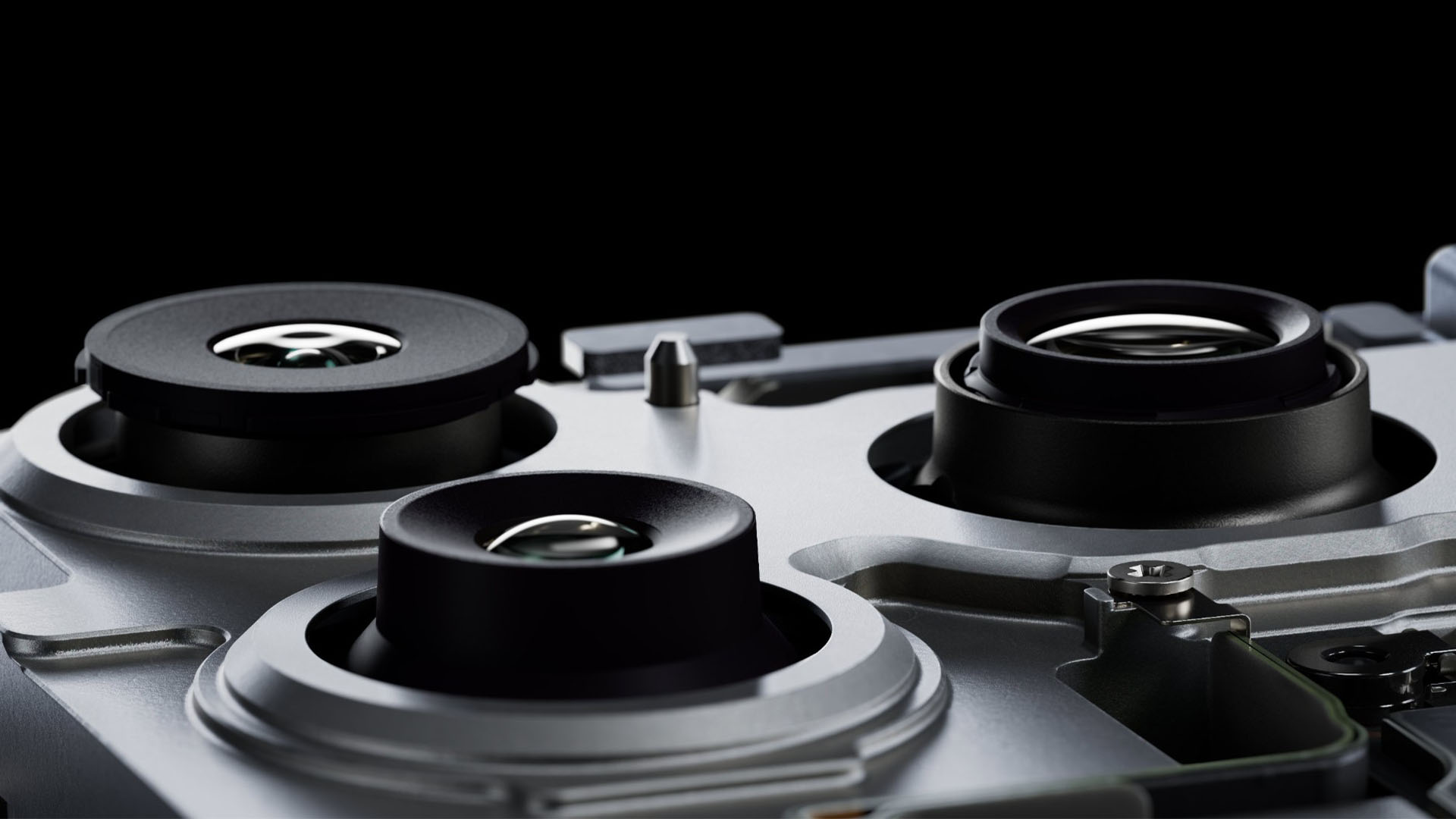
The patent describes a camera module with a dedicated housing, lens elements, a movable substrate carrying the image sensor, and a flexible seal that separates different areas inside the module. The part of the camera aligned with the optical axis could contain air, nitrogen, or another suitable transparent medium. Meanwhile, the surrounding space could be filled with a dielectric liquid, such as mineral oil, which would help absorb and transfer heat away from sensitive camera components.
This approach could be especially useful because some of the hottest parts of a modern phone camera are also the hardest to cool. Image sensors, actuators, processing components, and other tiny electronics generate heat inside an extremely compact space. Movable components are even more difficult to connect to traditional heat-dissipation structures because they need to shift position freely for autofocus, optical image stabilization, or sensor movement.
By surrounding certain areas with a non-conductive, heat-absorbing liquid, Apple could create a more efficient cooling environment inside the camera module itself. That could help future iPhones maintain consistent camera performance during demanding tasks such as 4K or 8K video recording, long photography sessions, advanced computational photography, and rapid image capture.
The patent also points to potential benefits for shape-memory-alloy actuators, including materials such as nitinol. These actuators can change shape when electrical current is applied, allowing extremely precise movement of internal camera parts. However, they also generate heat during operation. A fluid-assisted cooling system could make these components more practical for future smartphone cameras by keeping temperatures under better control.
While a patent does not guarantee that this technology will appear in the next iPhone, it does show that Apple is actively investigating new ways to improve mobile imaging hardware. Thermal control is becoming increasingly important as phone cameras try to deliver professional-level features in a slim device.
If Apple brings this kind of system to future iPhone models, users could see more stable camera performance, improved reliability, and better results during intensive shooting conditions. As mobile photography continues to evolve, cooling technology may become just as important as megapixels, lens quality, and image processing.


