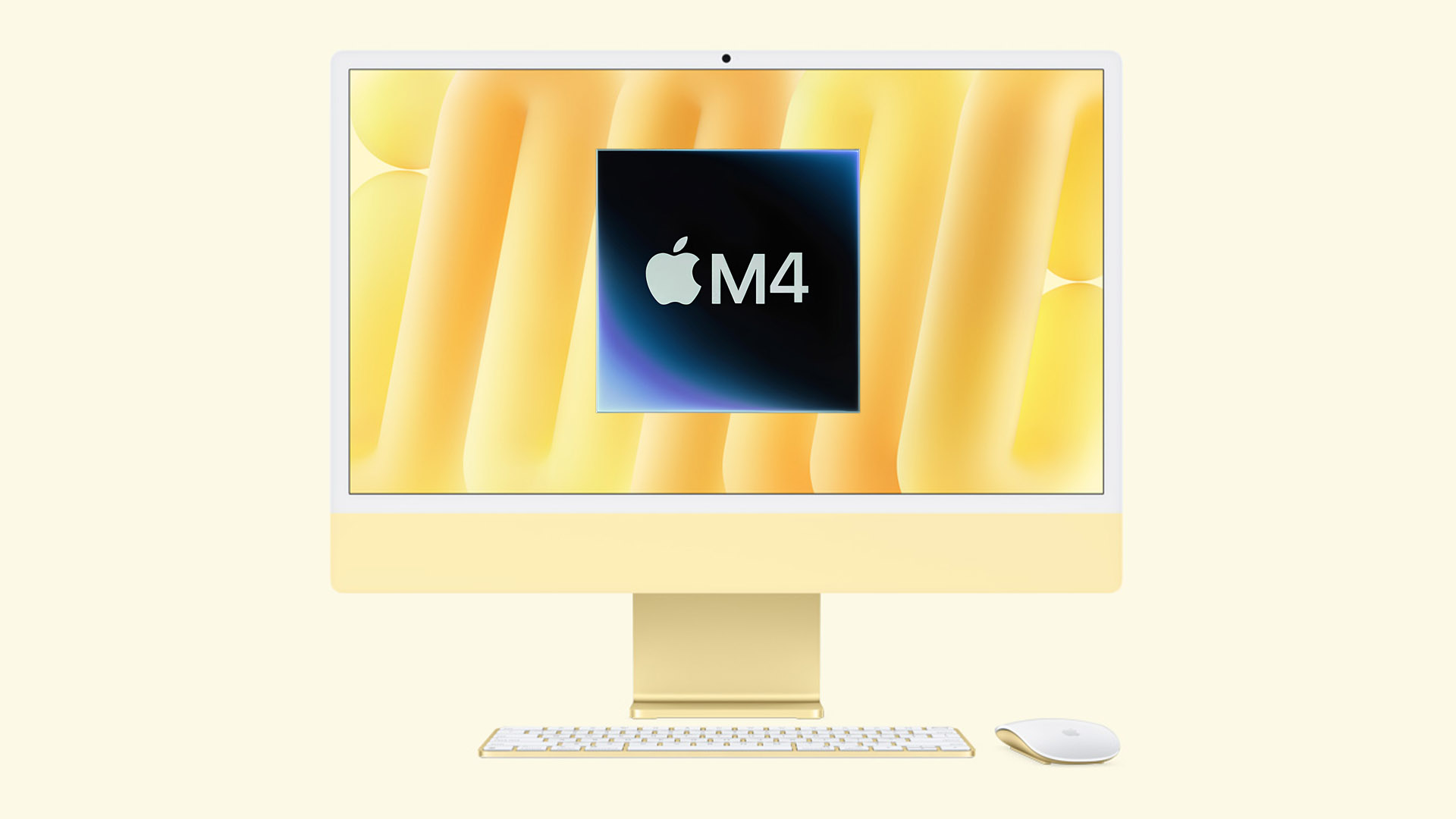
Apple’s latest innovation, the M4 chip, has arrived, and it’s making waves across several devices, including updated iPad Pro models and the newly introduced iMac. While the previous M4 variations boasted a 9-core and 10-core CPU, the latest iMac comes with a more modest version. Although it has fewer CPU and GPU cores, it still packs a punch with 16GB of unified RAM as standard, offering users enhanced performance for everyday computing tasks.
A noticeable improvement in the new iMac is the standard RAM capacity. Unlike earlier models that came with just 8GB, this iteration doubles the memory to 16GB while still maintaining a starting price of $1,299. This move by Apple shows a shift away from their usual pricing strategy, often referred to as the ‘Apple Tax,’ enabling more consumers to experience smoother multitasking without additional costs.
However, storage remains a sticking point. The base model includes just 256GB of SSD storage, which may quickly fill up, especially with a chunk reserved for the operating system. The silver lining is the presence of two Thunderbolt ports, giving users the flexibility to connect external storage, such as a high-capacity portable SSD like the Samsung T7, to expand their space.
The decision to stick with a 256GB SSD when the new MacBook Pro configurations are expected to offer 512GB as standard might feel like a drawback. The use of a binned version of the M4 chip—similar to the A17 Pro in the iPad mini 7—also suggests some compromises in multi-core and graphical performance, presumably to maintain the $1,299 price point.
Ultimately, while the M4 iMac brings advanced hardware to the table, certain trade-offs exist. Apple appears to strive for balance between cost-efficiency and performance, making the latest iMac an attractive option for those looking to leverage better technology without breaking the bank.