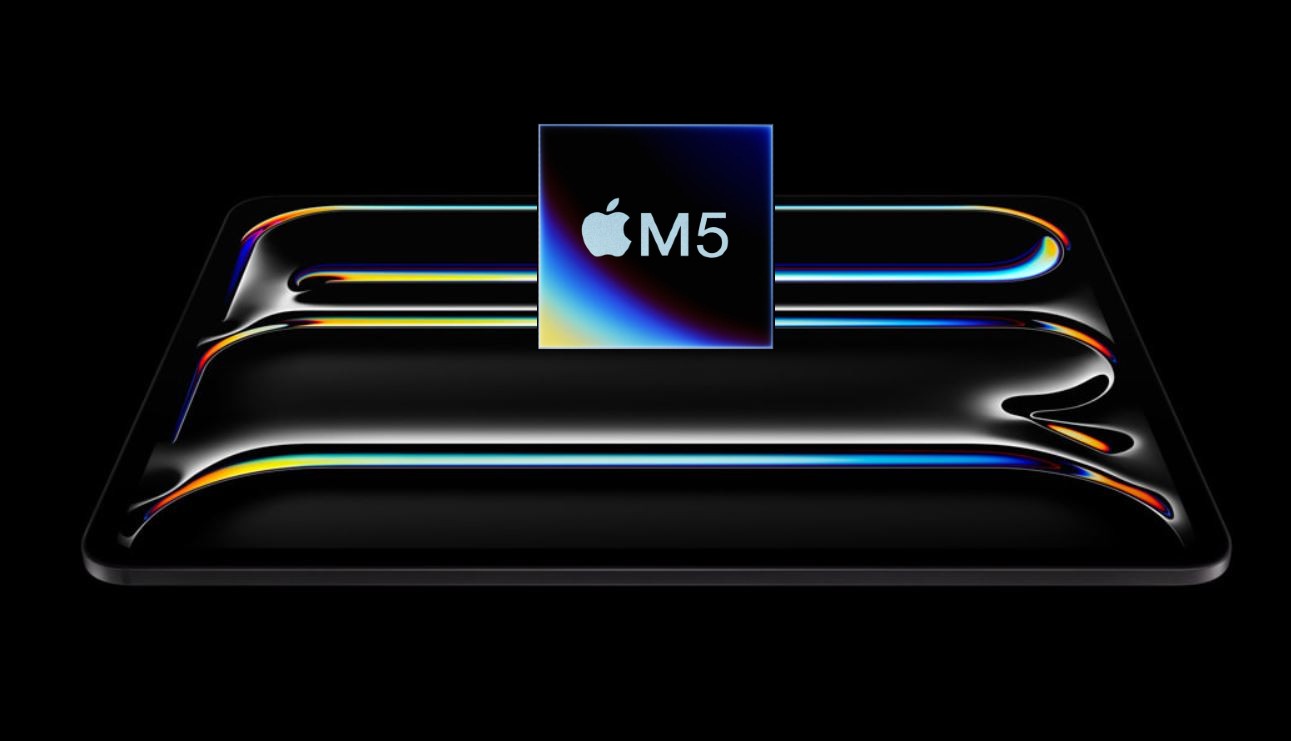
Excitement is building as Apple’s highly anticipated M5 chip has reportedly entered mass production, bringing us closer to its unveiling, potentially alongside a new iPad Pro by the end of the year. Notably, Apple’s choice to stick with TSMC’s N3P technology rather than leap to the N2 node reflects a strategic decision to maximize performance and efficiency. According to the latest insights, this choice offers a 5% boost in performance and up to 10% better power efficiency, ensuring a refined user experience with optimized battery life.
Despite skipping the gate-all-around technology associated with TSMC’s N2, the M5 promises other innovations. It introduces SoIC-mH packaging, allowing more chips to be layered on a new type of substrate, which could significantly enhance device capabilities. In a thrilling twist, an M5 Ultra variant is also anticipated, with industry whispers suggesting its mass production will begin in 2026. This chip, speculated to return after a two-generation pause, may feature an innovative CPU and GPU split to crank up AI performance—a key focus area translating to cutting-edge user experiences.
Stay tuned for the official launch of the Apple M5, which is shaping up to be a formidable advancement in the realm of tech, defining the future of Apple’s portable device hardware capabilities. As the tech landscape evolves, the emphasis on AI and efficiency positions Apple’s new chip as a game-changer in an already competitive market.