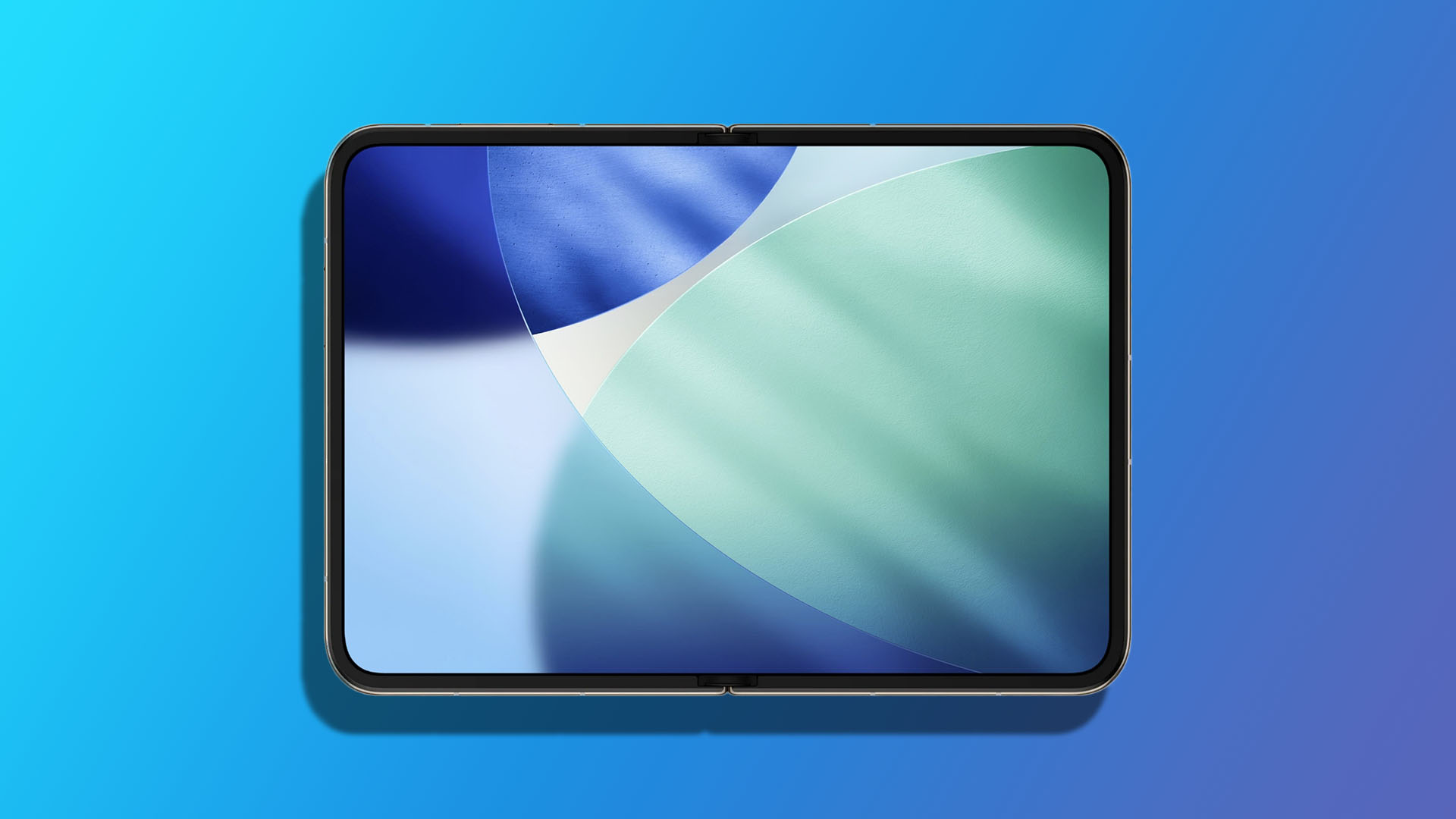
One of the biggest hurdles for foldable smartphone manufacturers is tackling the notorious crease issue. Apple is reportedly determined to eliminate this crease or at least make it less noticeable. According to an analyst, Apple’s upcoming foldable iPhone will utilize Samsung’s crease-free display to achieve this. However, with prolonged usage, the crease might still appear. To address this, an additional supplier is expected to offer metal components that integrate the device’s parts through a laser drilling process, potentially leading to a higher price tag for the foldable iPhone.
Analyst Ming-Chi Kuo recently discussed that Apple’s foldable iPhone is slated to enter mass production in the latter half of 2026. The device will reportedly use Samsung’s OLED panels rather than developing its own. Furthermore, Fine M-Tec, a Korean company specializing in doors and hinges, will supply metal plates designed to distribute stress caused by the foldable display’s bending. This innovation aims to reduce the risk of visible creases.
However, this advancement comes with a cost. Kuo notes that integrating these metal plates will be pricey, with Fine M-Tec expected to provide these parts from early 2026 at a unit cost of $30-$35. The laser drilling process necessary for attaching the metal plates will add another $30-$35 per unit, in contrast to a $20 etching process. Given the anticipated high initial production volume, these additional expenses could significantly impact Apple’s costs.
Though Kuo had not previously mentioned this approach, his recent comments suggest customers might end up paying between $2,000 and $2,500 for the foldable iPhone. The laser drilling process is one factor contributing to this price range. Meanwhile, Ross Young from Display Supply Chain Consultants has indicated that achieving an invisible crease might require a chemically treated, thicker front glass, which would also be costly. As Apple navigates these options, consumers can expect an exciting launch, potentially as early as next year.