Apple’s rumored iPhone 20 plans may have hit a major roadblock, and the reason appears to be a mix of ambitious design goals, rising component costs, and manufacturing challenges.
According to analyst reports, Apple has reportedly canceled its highly anticipated all-glass iPhone 20 project after supply chain checks suggested the device could not be produced at scale without serious yield issues. In simpler terms, too many units were reportedly failing to meet Apple’s production standards, making mass production too expensive and risky.
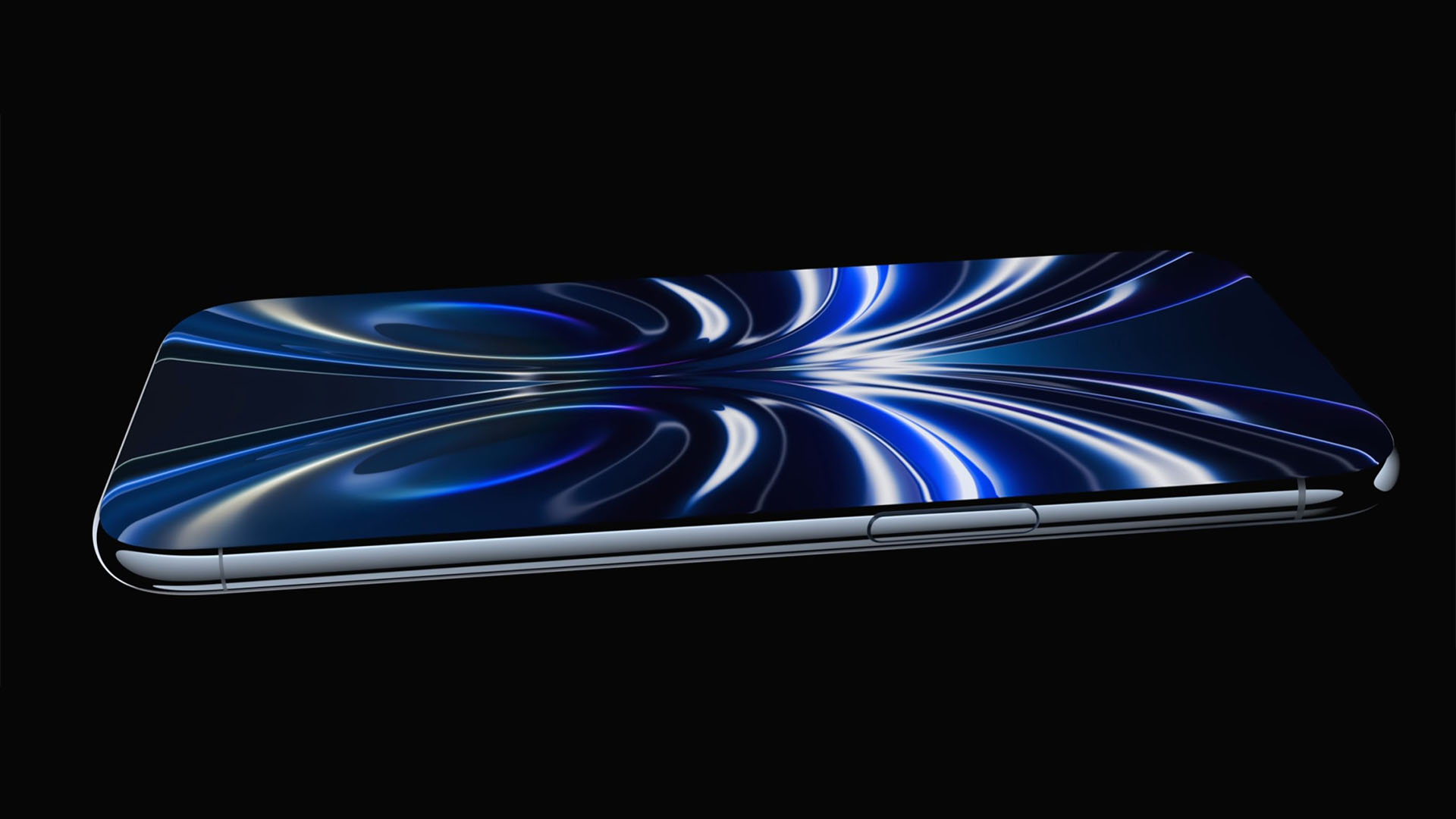
The rumored iPhone 20 was expected to be one of Apple’s most futuristic smartphones yet. Reports suggested it could feature an all-glass body and a quad-curved OLED display, giving the device a more seamless, premium appearance. However, that design may have also been its biggest problem.
Manufacturing a phone with a complex all-glass exterior is already difficult, but combining it with a display that curves on all four sides reportedly created even more technical complications. Analysts claim the low production yield made the device impractical, especially at the high volumes Apple typically requires for a flagship iPhone launch.
The cancellation could come at a difficult time for Apple. Memory prices are reportedly rising across the industry, and the company may already be preparing for higher costs on future models, including the iPhone 18 Pro and iPhone 18 Pro Max. A premium iPhone 20 with a higher selling price could have helped Apple protect its profit margins during this period of increased DRAM costs.
The rumored all-glass iPhone was expected to carry an average selling price of around $2,060. While that would have made it far more expensive than current iPhone models, it could have positioned the device as an ultra-premium product aimed at early adopters and buyers willing to pay for a futuristic design.
One of the biggest challenges may have been the advanced OLED panel. Reports suggest that Samsung was expected to be the exclusive supplier for the display. Relying on a single supplier for such a complex component can create cost and production risks, especially if manufacturing defects appear during development.
Earlier claims also suggested that the iPhone 20’s curved display suffered from distortion near the edges. This issue may have affected brightness and visual quality, raising concerns about durability and long-term performance. If those problems could not be solved efficiently, Apple may have decided that delaying or canceling the design was the safest option.
For now, it appears Apple may continue with a more familiar iPhone design instead of pushing ahead with the all-glass concept. The company is still expected to focus on premium iPhone models, but the rumored iPhone 20 design may not arrive as soon as some fans hoped.
It remains unclear whether Apple has completely abandoned the all-glass iPhone idea or simply delayed it until manufacturing technology improves. Given Apple’s history of refining ambitious concepts over several years, the design could still return in the future if display yields, glass durability, and production costs become more manageable.
For iPhone fans, the news is disappointing but not surprising. Apple often tests bold designs behind the scenes, and not every concept reaches the market. The rumored iPhone 20 may have been one of the company’s most daring ideas yet, but for now, production challenges and rising component costs appear to have put the project on hold.