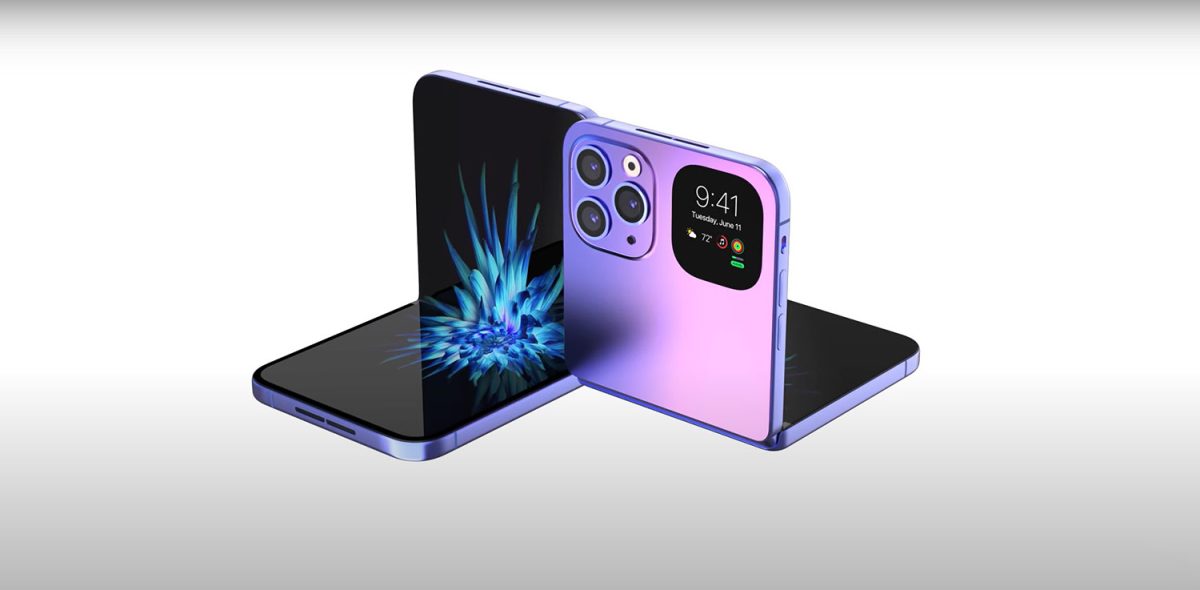
Apple has historically taken a measured approach to launching new technologies, allowing time for advancements to mature and become more cost-effective before entering the market. However, this strategy sometimes leaves the tech giant trailing behind competitors, as seen with the rise of foldable smartphones pioneered by brands like Samsung with its Galaxy Fold and Galaxy Flip series. Apple’s contender in this field, a foldable iPhone, has encountered a significant delay, primarily due to issues with the screen creasing.
The crease dilemma is a notable challenge in the development of foldable phones, and it seems to be the main obstacle keeping Apple’s insertions into this innovative market sector at bay. The reality is that all current foldables show some degree of creasing at the fold, as the technology to create a perfectly smooth folding experience is not yet available. Apple’s standards for design and functionality are high, and as a result, the company appears to have postponed the launch of its eagerly awaited foldable iPhone, prioritizing product perfection over a speedy release.
According to a recent analysis by TrendForce, it is increasingly ‘unlikely’ that we will see Apple’s first foldable iPhone before 2026. This follows previous speculation pointing to a release sometime between 2026 and 2027. Component supply chain insights support the projection of a later launch, potentially not before 2027.
It’s also important to consider that the foldable smartphone segment is currently more of a specialty market, and widespread adoption may require more time. However, Apple’s foray into foldables could catalyze growth in this category, spurring other manufacturers to innovate and compete.
The issue of the crease is expected to remain a significant focus for any foldable device. While there may be ways to minimize the visibility and impact of the crease, eliminating it completely presents a considerable challenge. Apple’s stance on this minor, yet persistent, imperfection has prompted a strategic delay, which could inadvertently provide a competitive edge to market leaders like Samsung.
Durability concerns are another aspect of foldable phones that cannot be overlooked. Products with fewer moving parts typically offer more longevity, a principle at odds with the very nature of foldable devices. As consumers and industry watchers alike anticipate Apple’s entry into this market, the delayed timeline sets expectations for a product that aims to redefine the standards of foldable smartphones.
Despite the pushback in the launch schedule, interest continues to build around what innovations Apple will bring to the table with its foldable device. However, it now seems that enthusiasts and potential consumers may have to patiently wait an additional year to discover how Apple plans to tackle the foldable phone challenge, ensuring that when it does arrive, it lives up to the brand’s legacy of excellence.