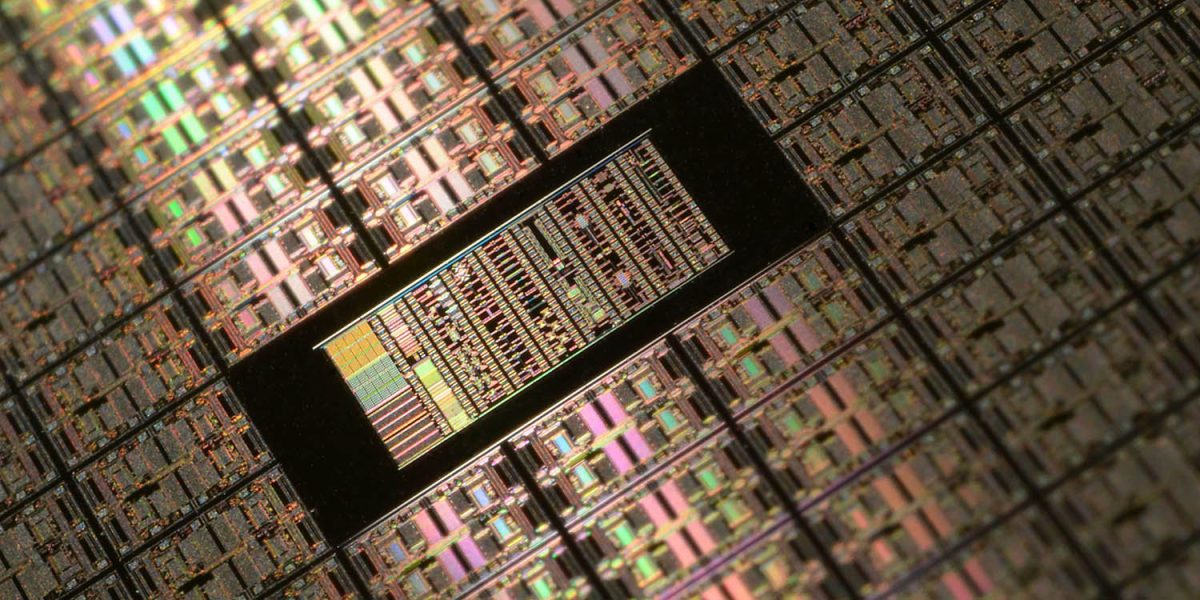
Apple is making strides in bringing chip manufacturing closer to home by joining forces with TSMC to produce its A-series chips in the United States. This collaborative effort marks a significant step for both Apple and TSMC, as the latter has been broadening its production capabilities beyond its native borders. According to a recent report, the mass production of these Apple chips in the U.S. could commence as soon as this quarter, promising a new chapter in tech manufacturing.
The chips in question are set to power older iPhone models and potentially new devices that don’t require state-of-the-art performance. After successful test runs at TSMC’s Arizona plant, the chips are now poised to enter mass production. Apple is currently undertaking final quality checks, ensuring that each chip meets the high standards expected by its global customer base.
For those keeping tabs on Apple’s chip production journey, it’s noteworthy that TSMC will also be involved in crafting the A16 Bionic chips, which Apple plans to integrate into the iPhone 15 and iPhone 15 Plus models. Additionally, Apple’s S9 System on Chip (SoC), initially rolled out with the Apple Watch Series 9 and also employed in the Apple Watch Ultra 2, will be part of this U.S.-based production initiative.
This endeavor not only marks Apple’s first venture into domestic chip production but also underscores TSMC’s expanding footprint in the U.S., where they serve other tech giants, including AMD. As TSMC navigates this production expansion, it prompts an intriguing question: could this shift to local manufacturing translate into cost benefits for Apple? Share your thoughts on the potential impacts of this strategic move.