Apple’s next big bet for the home is starting to take shape, and it could change how you interact with every smart device you own. The company is reportedly preparing a dedicated smart home hub with a 7-inch display that acts as a unified control center for lighting, entertainment, security, and more. Priced around $350, it’s clearly positioned as a premium option—one Apple believes will earn its keep through tight hardware-software integration and powerful on-device intelligence.
The device is said to come in two versions: a wall-mounted model that blends into your home like a built-in control panel, and a tabletop variant that evokes a HomePod with a screen. Both are expected to serve as a central dashboard for HomeKit accessories, giving you quick access to scenes, automations, and real-time device controls.
Where Apple aims to stand apart is software. The hub is rumored to include a FaceTime camera and advanced sensors that can recognize who’s in the room, then automatically adjust apps, music, and settings for that person. That personalized experience will lean on Apple Intelligence and a next-generation Siri that’s designed to be far more conversational and context-aware. Insiders suggest the hardware design is largely complete, but Apple wants the upgraded Siri experience ready before launch—an alignment that’s crucial if the hub is to deliver more than what a traditional smart speaker can.
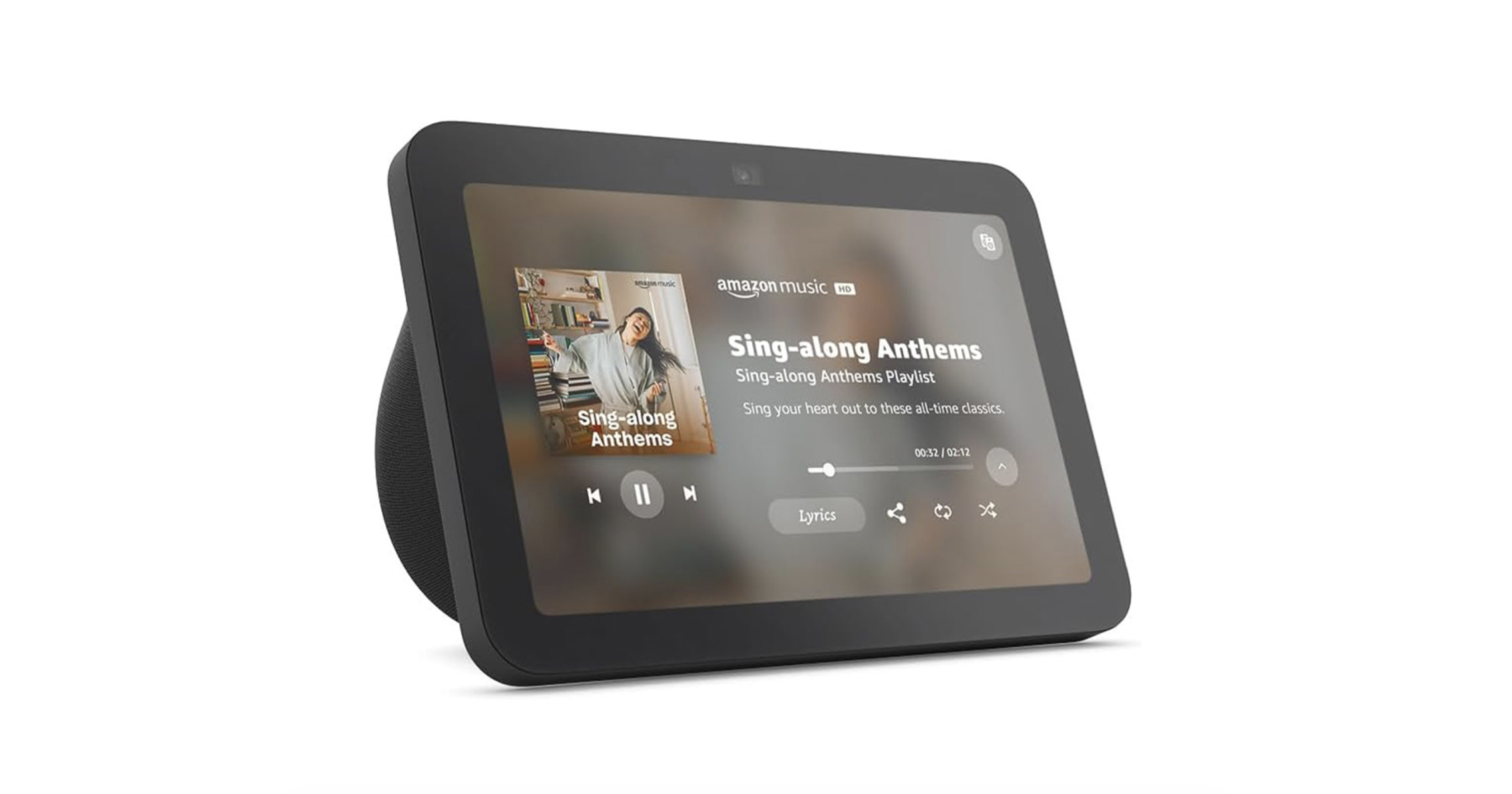
At an expected $350, the hub would debut above popular rivals like the Amazon Echo Show and Google Nest Hub Max. Reports indicate Apple is considering modest price adjustments prior to release to boost accessibility, but the company seems confident that features like user recognition, deeper HomeKit control, and a more capable Siri will justify the premium.
The hub may also anchor a broader expansion of home devices. A companion security camera is reportedly in development, followed by a more ambitious tabletop robot featuring a motorized display with an arm. To diversify its supply chain, Apple plans to assemble the hub in Vietnam with BYD. All of these products are said to integrate seamlessly, pointing to a long-term strategy that treats the home as a coherent, Apple-powered ecosystem.
Timing remains fluid. The smart home hub is expected as early as next year, with some chatter pointing to 2026. If Apple can balance price, performance, and the promise of Apple Intelligence with next-gen Siri, this could be the moment its smart home vision finally clicks—delivering a polished, personalized command center for the modern connected home.


