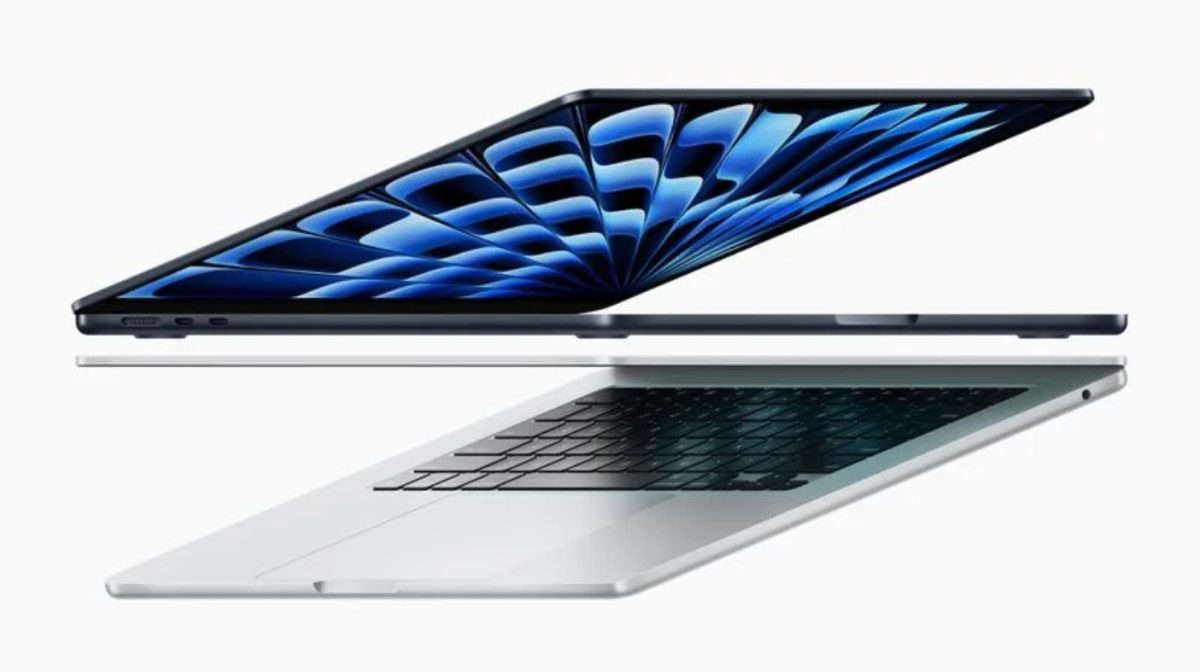
Apple is gearing up to revolutionize its MacBook lineup with some exciting changes on the horizon. Set to debut in 2026, the new OLED MacBook Pro will not only feature a dazzling new display technology but will also bid farewell to the iconic notch at the top. Meanwhile, the MacBook Air models won’t see an OLED upgrade until 2028, and they will still sport the notch, keeping them just a notch below (pun intended) their Pro counterparts in terms of features.
According to research insights from Omdia, Apple’s display roadmap suggests a systematic roll-out of OLED screens across its Mac and iPad products, stretching all the way to 2030. While MacBook Pro users can look forward to the sleek hole-punch display technology enhancing their experience as early as 2026, MacBook Air enthusiasts will have to exercise patience until OLED becomes a standard across Apple’s offerings.
Apple’s strategy to maintain the Pro models’ premium status doesn’t stop at displays. The intent is clear: distinguish the Pro from the Air through both design and hardware upgrades, a practice that guarantees the higher-tier models continue to command their premium price. The OLED MacBook Pro promises deeper blacks, vibrant colors, and improved power efficiency, elements that elevate the user experience significantly.
Although MacBook Air fans might feel a tad left out with the delayed OLED adoption, the switch from LCD to OLED displays even with a notch will still mark a significant leap forward. Users can expect enhanced contrast ratios and energy efficiency. The trend isn’t limited to MacBooks, either. An OLED upgrade for the iPad mini 8 is also on the cards for 2026, with the iPad Air following in 2027.
Apple continues to iterate and innovate, ensuring its line of devices stays at the forefront of technology. Keep an eye out for further updates and developments as Apple rolls out these transformations that promise to redefine user expectations and experiences.


