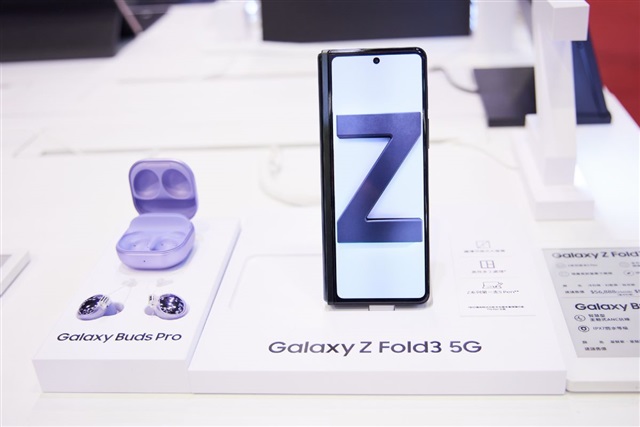
Samsung still sits at the top of the foldable phone market, commanding the largest share of sales in the United States, with Motorola and Google rounding out the key players. That balance may not last. Apple is widely expected to join the foldable race by the end of 2026, a move that could unlock mainstream adoption and dramatically shift competitive dynamics both in the U.S. and across China’s fast-evolving premium smartphone segment.
Why an Apple foldable would be a tipping point
– Consumer confidence: Apple’s entry typically signals that a category is ready for prime time. A foldable from Cupertino could reassure on-the-fence buyers who have been waiting for more mature hardware, refined software, and a broad accessories ecosystem.
– Ecosystem pull: Seamless integration with services, continuity features, and app optimization could make a foldable feel less like a novelty and more like a natural extension of the devices people already use daily.
– Carrier and retail momentum: In the U.S., carrier promotions and retail visibility matter. An Apple launch usually brings heavyweight marketing, trade-in incentives, and prominent store placement that lift an entire category.
What it means for today’s leaders
Samsung has earned its lead through several generations of hardware iteration, strong display technology, and increasingly durable designs. Motorola has found traction with sleek, fashion-forward clamshells, while Google’s approach emphasizes software smarts and camera prowess. An Apple debut would likely accelerate innovation across the board—pushing rivals to further improve hinge durability, reduce display creases, optimize battery life, and expand app experiences that adapt fluidly between folded and unfolded modes.
How the U.S.–China landscape could shift
– United States: The U.S. market is currently dominated by brands with deep carrier partnerships. An Apple foldable would concentrate attention at the high end, reshaping upgrade cycles and potentially pulling share from premium slabs and existing foldables alike.
– China: Foldables are growing quickly in China, where local brands have been aggressive with designs and features. A premium Apple option could intensify competition for affluent buyers, pressuring rivals to differentiate on hardware design, value, and software experiences. At the same time, supply chain choices—such as display panels and hinge components—could influence regional partnerships and production strategies.
Hardware and software priorities that will matter
– Durability: Consumers care about hinge reliability, scratch resistance, and long-term display integrity. Expect marketing—and buyer scrutiny—to focus on lifecycle durability and repair costs.
– Display quality: Brightness, color accuracy, crease visibility, and outdoor readability are key. Advances in ultra-thin glass and protective coatings will be a major talking point.
– Battery life and thermal management: Larger displays demand careful power optimization. Efficient chipsets and smart software tuning will be difference-makers.
– App continuity: Smooth transitions between folded and unfolded states, multitasking, and optimized layouts will separate polished experiences from gimmicks.
– Cameras and ergonomics: Foldables create new form factors for shooting and viewing. Designs that balance weight, grip, and camera performance will stand out.
Pricing and positioning outlook
Apple’s first foldable is likely to target the premium tier, where early adopters are less price-sensitive and where financing and trade-in programs can soften sticker shock. That premium positioning would put pressure on competitors to fine-tune their own lineups, with some brands doubling down on value-driven clamshells while others chase flagship book-style designs packed with pro features.
What to watch between now and 2026
– Design direction: Whether Apple leads with a clamshell-style device or a book-style foldable will shape how competitors respond and how consumers perceive the category.
– Display partnerships: Panel and hinge suppliers will be in the spotlight as brands seek the best mix of durability, brightness, and thinness.
– Software breakthroughs: Features that make a foldable feel indispensable—enhanced multitasking, creative workflows, or continuity with tablets and laptops—will drive adoption.
– Carrier strategies: Promotions, trade-in values, and installment plans will heavily influence mainstream uptake in the U.S.
The bottom line
Samsung currently dominates U.S. foldable sales, with Motorola and Google playing important supporting roles. But the expected arrival of an Apple foldable by late 2026 could be the catalyst that flips foldables from early-adopter tech to everyday choice. If that happens, expect faster innovation cycles, sharper competition across both U.S. and Chinese markets, and a new wave of premium devices that redefine what a phone can do when the screen bends to fit your life.