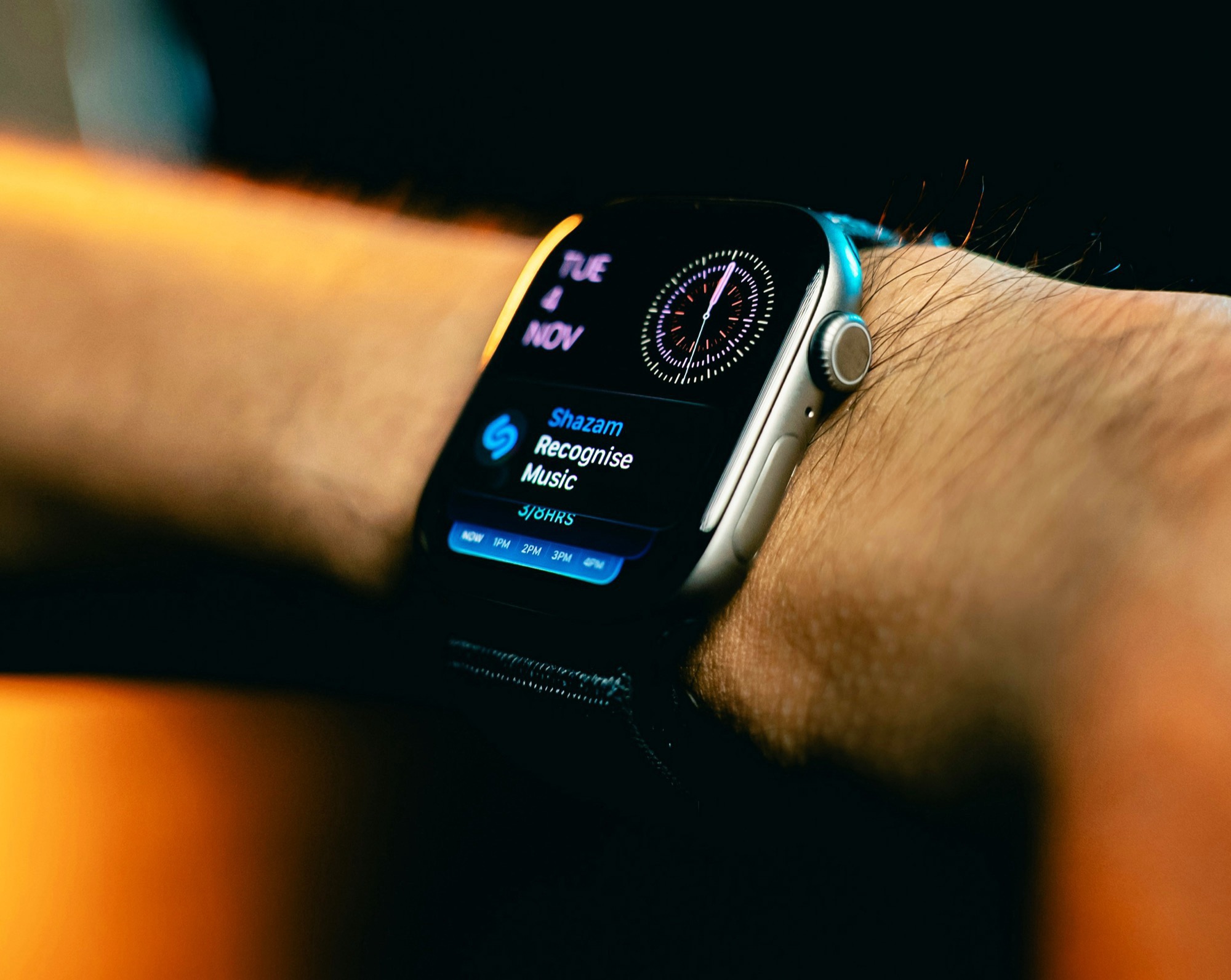
Apple Watch Series 9 owners may have a frustrating reason to question Apple’s long-term software support strategy. Despite being powered by the Apple S9 chip, the same processor found inside the Apple Watch Ultra 2, the Series 9 appears to be missing out on the watchOS 27 update while the Ultra 2 is set to receive it.
That decision is difficult to understand. The Apple Watch Series 9 and Apple Watch Ultra 2 launched during the same generation, and both use the same core chip technology. On paper, that should mean both devices are capable of handling similar software features and performance requirements. Yet Apple’s update plans suggest otherwise, leaving many users wondering why one model continues forward while the other is left behind.
In previous generations, there was at least a clearer technical explanation. The Apple S6, S7, and S8 chips used across several earlier Apple Watch models were very similar internally, so dropping support for older models could be explained by hardware limitations or the need to move the platform forward. But with the Series 9 and Ultra 2 sharing the Apple S9, the reasoning becomes much harder to justify.
For customers, the bigger issue is trust. The Apple Watch has long stood out in the smartwatch market because of its strong software support, smooth updates, and reliable integration with the iPhone ecosystem. Many people choose an Apple Watch not only for health tracking, fitness features, and notifications, but also because they expect it to remain useful for years.
If a premium smartwatch released only two years ago can be excluded from a major software update, that expectation becomes less secure. Buyers may now think twice before assuming that a new Apple Watch will receive long-term watchOS upgrades. This is especially disappointing for users who paid a high price for the Apple Watch Series 9 and expected it to age more gracefully.
Long-term software updates are more than just a bonus. They bring new features, security improvements, app compatibility, performance refinements, and better integration with newer iPhones. When update support ends early, a device can feel outdated much sooner, even if the hardware is still capable.
This situation could also weaken one of Apple’s biggest advantages over many smartwatch rivals. For years, Apple’s wearable lineup benefited from a reputation for dependable support and longevity. If that reputation starts to fade, users may begin comparing Apple Watch upgrade cycles more critically before making their next purchase.
The Apple Watch Series 9 remains a capable smartwatch, but the uncertainty around watchOS 27 support sends a clear message: buyers should no longer assume that every expensive Apple Watch will receive updates for many years. For a product category where longevity matters, that is a disappointing shift.