Apple’s ultra-slim iPhone Air has quickly earned a reputation as the weak link in Apple’s current iPhone lineup. Despite the attention its thin design has attracted—and despite signs it may even be edging out models like the iPhone 16 Plus and Samsung Galaxy S25 Edge in certain speed test samples from Ookla—many users see the first iPhone Air as a clear compromise phone: stylish, but not built for people who demand long battery life and top-tier versatility.
Even so, a well-known tipster on Weibo says Apple isn’t backing away from the Air experiment anytime soon. According to this claim, Apple is still planning not just one more model, but two: iPhone Air 2 and iPhone Air 3. If accurate, that would significantly reduce the chances of a future “Plus” iPhone making a strong comeback, since the Air appears positioned as the slimmer alternative that overlaps with the Plus model’s role in the lineup.
The tipster, posting under the name Fixed Focus Digital, suggests Apple will continue iterating the Air line “as usual,” even if sales disappoint—implying the company is committed to giving the form factor at least two generations to prove itself. That matches earlier expectations in analyst chatter pointing to a multi-year roadmap for the Air family, with iPhone Air 2 targeted for 2026 and iPhone Air 3 for 2027. Current expectations suggest the iPhone Air 2 could arrive alongside devices such as the base iPhone 18 and an iPhone 18e around spring 2027, depending on how Apple ultimately schedules its releases.
Why the skepticism around the iPhone Air? Battery life is the biggest complaint. The iPhone Air’s battery capacity is said to be only about 62% of the iPhone 17 Pro Max’s, and roughly 11% lower than even the standard iPhone 17. In practical, real-world use, that can translate to around 12 hours of battery life—fine for light users, but a genuine drawback for power users who stream, game, shoot lots of video, or rely on their phone heavily throughout the day.
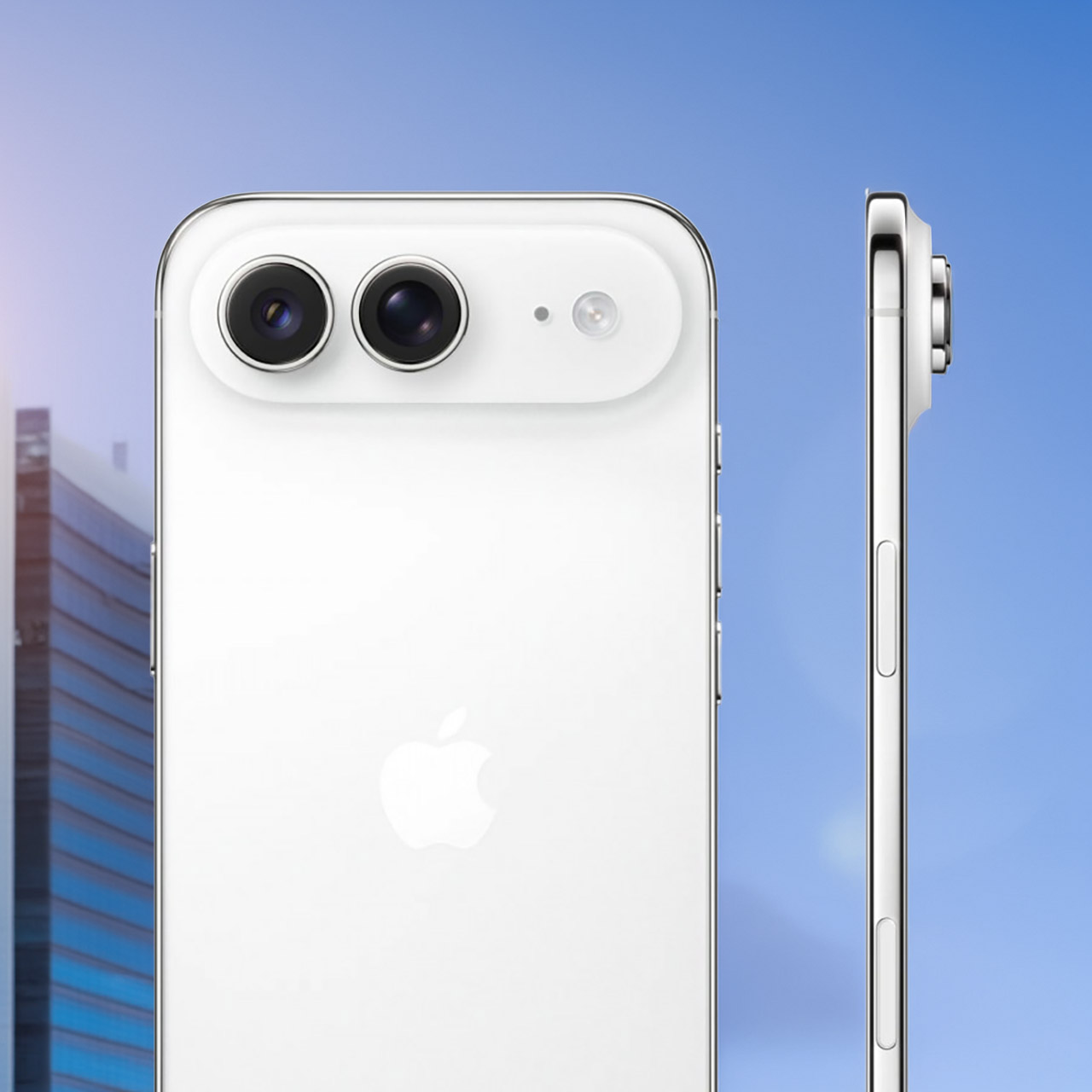
The good news for anyone who likes the slim idea but hates the compromises is that the iPhone Air 2 is expected to address key weak points. Reports point to Apple increasing battery capacity in the next model, and also upgrading the camera hardware—potentially moving to a dual-camera setup rather than the single rear camera found on the current iPhone Air. If those upgrades happen, Apple could turn the Air into something more than a design showcase: a genuinely practical thin-and-light iPhone that doesn’t force buyers to sacrifice the basics.
For now, the bigger takeaway is simple: the iPhone Air may not be Apple’s most powerful iPhone, but it appears to be part of a longer-term plan. If iPhone Air 2 and iPhone Air 3 are indeed on the way, Apple is signaling that ultra-thin iPhones aren’t a one-off experiment—they’re a direction the company intends to refine, even in the face of criticism.