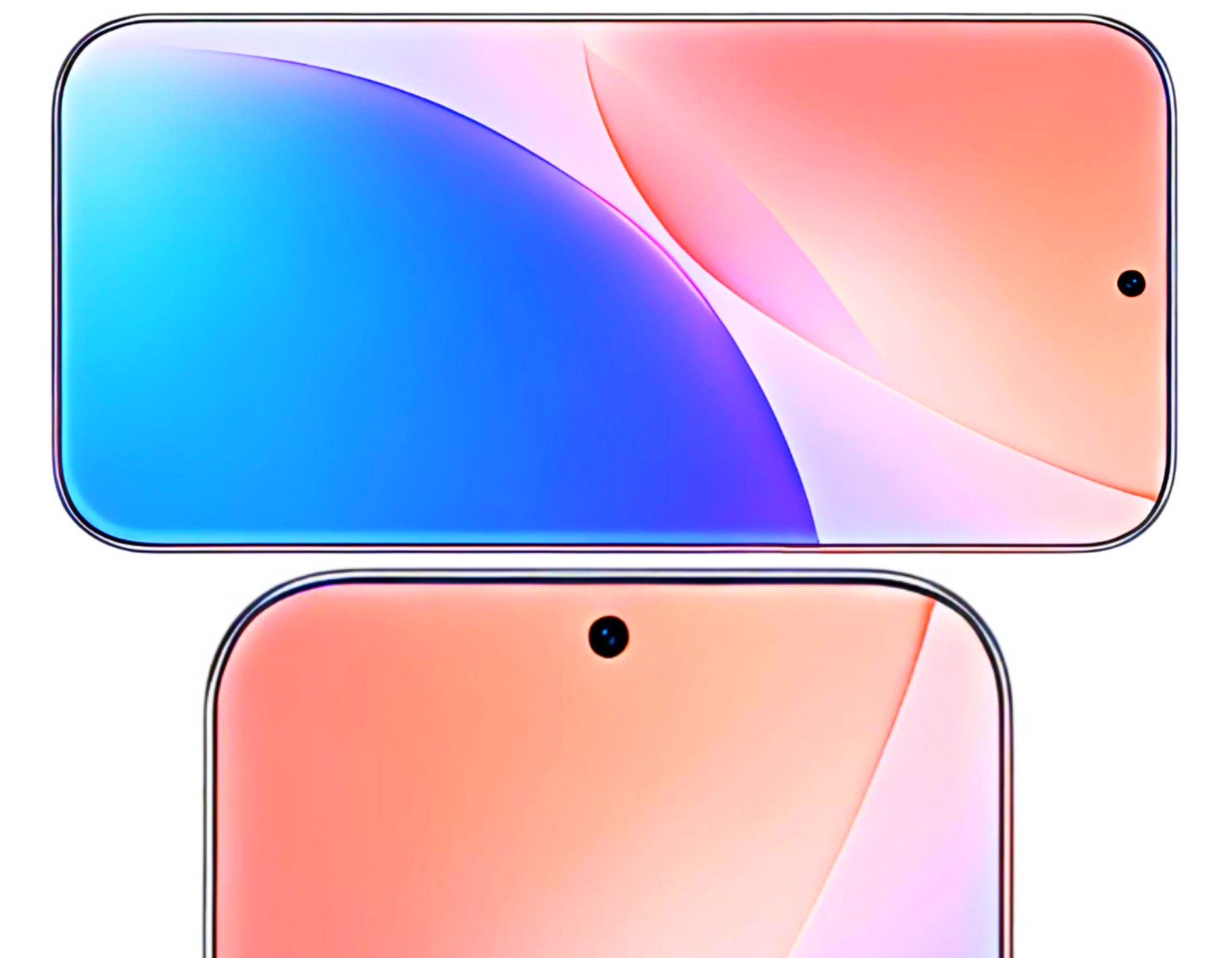
Apple’s 20th-anniversary iPhone and 2027 Android flagships could bring the true bezel-less phone era
The race to build the perfect all-screen smartphone may be about to enter its most exciting phase yet. Fresh supply chain rumors suggest that several next-generation flagship phones planned for 2027 are already being tested with dramatic new display designs, including quad-curved glass panels, ultra-thin bezels, and wider edge-to-edge screens.
If the latest leaks are accurate, the premium smartphone market could soon move beyond today’s slim-bezel designs and toward a more futuristic glass-first look. Apple, Huawei, Xiaomi, Oppo, and other major brands are all believed to be exploring new display technologies that make phones feel more immersive, more seamless, and closer than ever to the long-promised “bezel-less” dream.
One of the most talked-about devices is Apple’s rumored 20th-anniversary iPhone, which could arrive around 2027. Some reports refer to it as the iPhone 20, iPhone XX, or a future iPhone Pro model, though Apple has not confirmed any official name. The device is expected to mark a major design shift, similar to how the iPhone X changed the look of Apple’s smartphone lineup in 2017.
The standout feature could be a quad-curved display. Unlike standard curved screens that bend along the left and right edges, a quad-curved panel curves on all four sides. This would allow the front glass to flow more naturally into the frame, creating the illusion of a borderless display. The result could be an iPhone that looks almost entirely made of glass from the front, with minimal visible bezels and a much more premium visual impact.
Such a design would fit perfectly with Apple’s anniversary strategy. The company often saves its biggest hardware redesigns for milestone products, and a 20th-anniversary iPhone with a near-all-screen body would be a fitting successor to the iPhone X. It could also help Apple stand out in a market where yearly smartphone upgrades have become increasingly subtle.
However, Apple may not be the first to reach this new design milestone. Android manufacturers have often moved faster when it comes to experimental display technology, including curved screens, foldables, under-display cameras, and ultra-fast charging. That pattern could continue in 2027.
Huawei is rumored to be testing a wider flagship form factor with an advanced edge-to-edge display. Based on early mockups and speculation, this device could use a broader aspect ratio than typical smartphones, giving it a more expansive viewing area for multitasking, video playback, and gaming. Huawei has already shown a willingness to experiment with unusual premium phone designs, so a wider all-screen flagship would not be surprising.
Xiaomi is also expected to push bezel reduction aggressively. Reports suggest the company may be working on a future flagship with bezels as thin as 0.35mm. If true, that would make the phone appear almost completely borderless from the front. This device could arrive as part of Xiaomi’s next major flagship lineup, potentially around the Xiaomi 18 generation.
Oppo is another brand frequently linked with bold display development. The company has previously experimented with curved glass, waterfall-style screens, and futuristic phone concepts, making it a strong candidate in the race toward a true bezel-less flagship.
The big question is which company will deliver the first practical, mass-market all-screen phone. Apple’s version could attract the most global attention, especially if it launches as a 20th-anniversary iPhone. But Android brands may move quicker, especially in China, where competition is fierce and manufacturers are often eager to debut new hardware designs before rivals.
Still, there are major challenges. A quad-curved or bezel-free display is not just about looks. Phone makers must solve problems involving durability, accidental touch rejection, case compatibility, screen replacement costs, front-facing cameras, Face ID or biometric sensors, speaker placement, and drop resistance. A phone that looks stunning but breaks easily or feels awkward to use would struggle to win over buyers.
That is why these early prototypes should be treated as part of a longer development process. Smartphone companies test many designs before choosing what reaches the final product. Some concepts may change significantly, while others may never launch at all.
Even so, the direction is clear. The next wave of flagship smartphones is moving toward cleaner, more immersive displays with fewer visual interruptions. Whether it arrives first from Apple, Huawei, Xiaomi, Oppo, or another Android brand, the bezel-less smartphone era appears to be getting closer.
By 2027, premium phones could look very different from the models we use today. The 20th-anniversary iPhone may become Apple’s boldest redesign in years, while Android competitors could set the pace with ultra-thin bezels and experimental curved screens. For smartphone fans, the next few years could bring one of the biggest design battles the industry has seen in a decade.