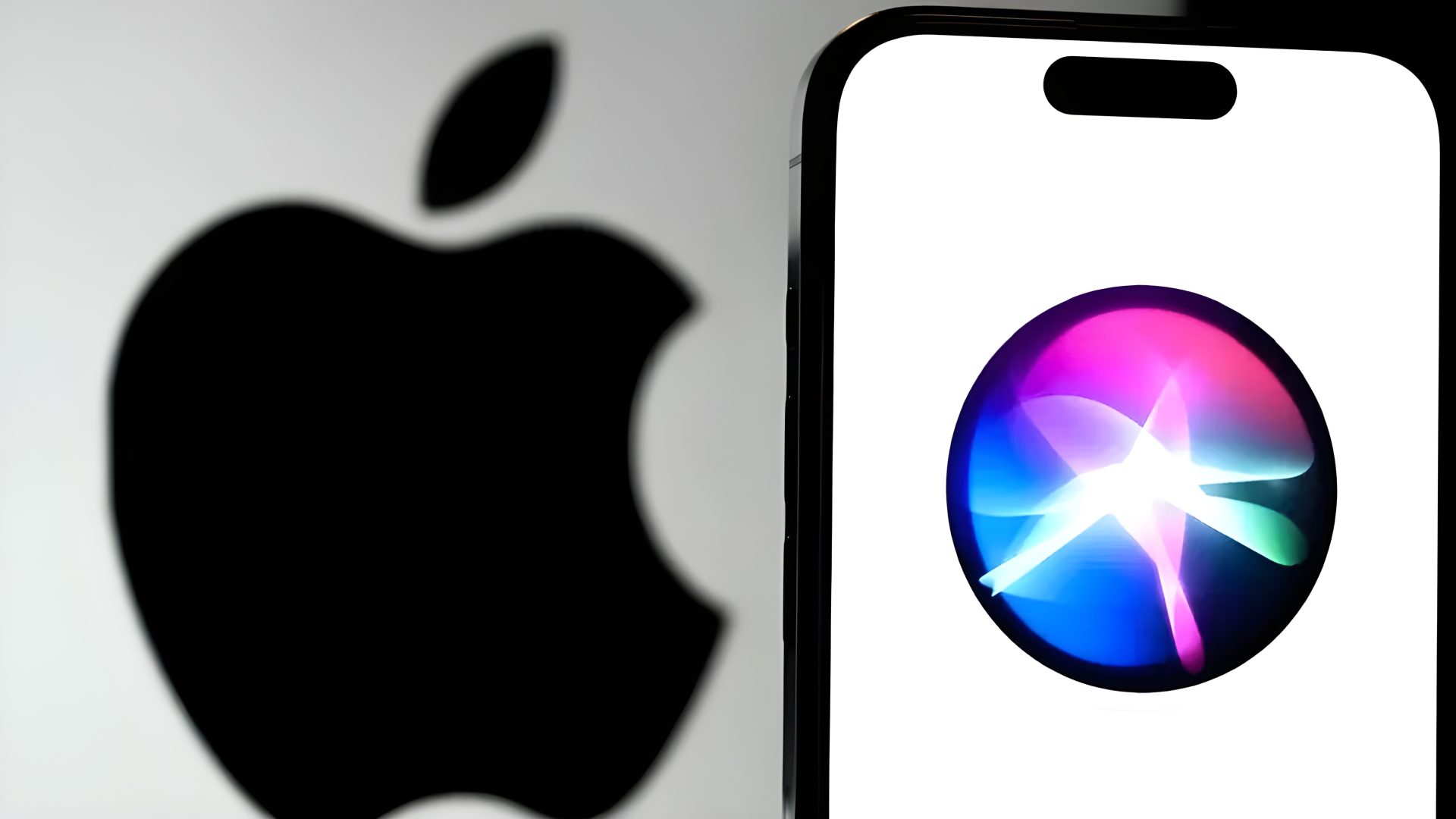
Apple’s first developer beta for iOS 26.5 is here, but it arrives without the headline Apple Intelligence upgrades many users have been waiting for since Apple first outlined its AI ambitions back in 2024. Missing are the long-rumored capabilities such as in-app actions, stronger personal context awareness, and on-screen awareness. With that delay now harder to ignore, attention is rapidly shifting to iOS 27 and what Apple may unveil at WWDC 2026 as a broader reset for its AI roadmap.
Behind the scenes, Apple is reportedly building a dramatically upgraded, chatbot-style Siri designed to feel less like a basic voice assistant and more like a true AI companion. The goal appears to be a Siri that can communicate more naturally, understand what you’re trying to do across apps, and even work alongside third-party AI services when needed. Apple is also said to be testing a keyboard upgrade that behaves more like Grammarly, offering smarter wording suggestions to help users refine what they type.
A major shift with iOS 27 could be how Siri is powered. The new Siri chatbot is reportedly running on Google’s TPU hardware and cloud infrastructure, but with Apple retaining ownership and emphasizing that its privacy protections won’t change. If accurate, this would mark a notable evolution in Apple’s approach: scaling Siri with powerful cloud compute while still trying to keep its privacy-first reputation intact.
The revamped Siri is expected to be deeply integrated into Apple’s software, allowing it to use personal data (within Apple’s safeguards) to take meaningful actions. Reported abilities include performing in-app tasks, searching the web, summarizing and analyzing information, generating content (including images), offering coding assistance, and handling file uploads. Another feature under development would allow Siri to understand what’s on your screen—viewing open windows and on-screen content—then using that context to help adjust settings, change device options, or complete tasks that typically require manual navigation.
On the AI model side, Apple’s internal engine for this new Siri is reportedly tied to an advanced system described as Apple Foundation Models version 11. The expectation is that it will be competitive with the next wave of leading AI models, delivering a big jump in capability compared to what powers Siri today.
Apple is also rumored to be changing how users access Siri. Instead of relying only on voice activation, iOS 27 may introduce a dedicated Siri app that stores conversation history in one place, making it easier to pick up where you left off. Within that app, a new “Extensions” feature is expected to connect Siri to third-party AI agents such as ChatGPT or Claude, enabling users to expand Siri’s capabilities depending on the task. There may also be a dedicated Extensions area in the App Store where supported AI add-ons can be discovered and installed.
Interface changes are also being explored. Siri may still be available through voice commands or the power button, but Apple is reportedly testing a new Siri experience that lives inside the Dynamic Island. At the same time, Apple is said to be experimenting with replacing Spotlight search with Siri, creating a unified search and assistant interface. This would keep the familiar “Siri Suggestions” concept, but potentially make it more powerful—surfacing app actions, upcoming appointments, and AI-driven recommendations tied to settings and daily routines.
One of the most practical upgrades rumored for iOS 27 is Siri’s ability to handle multiple requests in a single prompt. Instead of forcing users to issue one command at a time, users could string together tasks like checking the weather, creating a calendar event, and sending a message—all in one go. This kind of multi-step execution has become a key expectation for modern AI assistants, and it would be a major step forward for Siri’s usability.
Separately, Apple is reportedly testing a more intelligent keyboard feature that suggests alternative word choices, similar to Grammarly’s style of writing assistance. Apple has already made meaningful improvements to autocorrect recently, and this would build on that momentum by helping users not just fix typos, but improve clarity and tone while typing.
If these reports reflect Apple’s real direction, iOS 27 could represent the most significant Siri overhaul in years—one focused on deeper context, stronger task automation, smarter writing help, and a more modern chatbot experience that can work with third-party AI tools when necessary. For users frustrated by the slow arrival of Apple’s promised AI features, WWDC 2026 and iOS 27 are shaping up to be the next major milestones to watch.