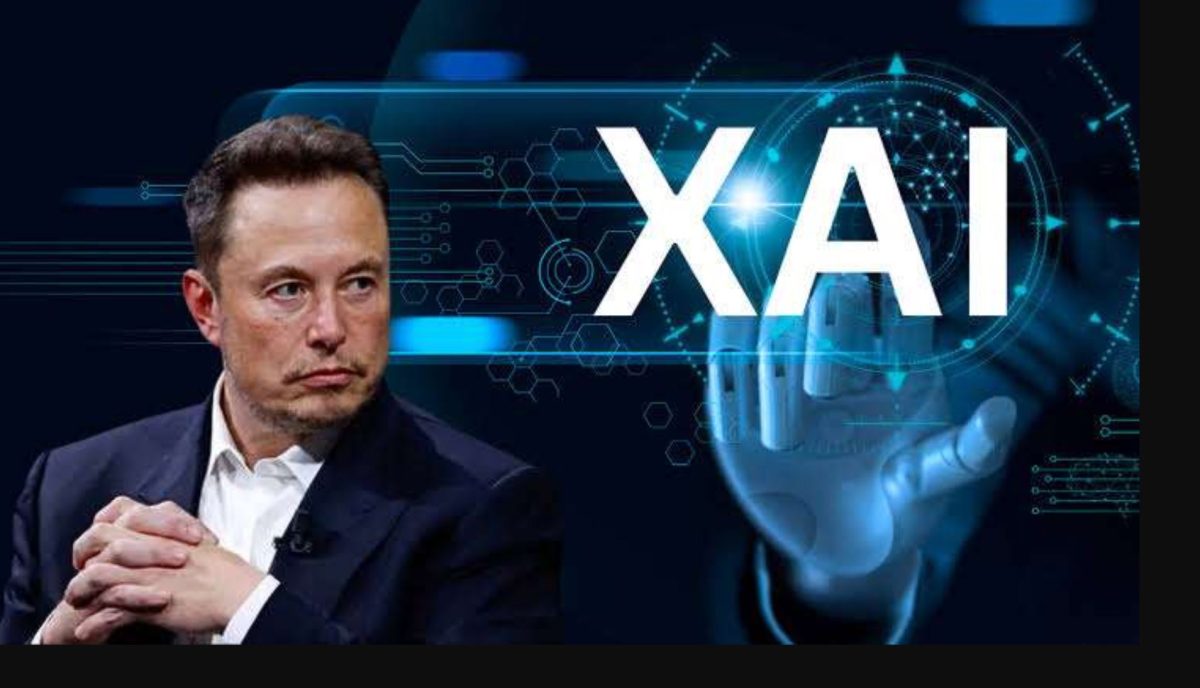
Recently, Elon Musk took to X, airing grievances against Apple for alleged antitrust violations related to the App Store’s treatment of AI apps. Musk claimed Apple consistently overlooks his platforms, such as X and Grok, favoring OpenAI’s ChatGPT instead. He threatened immediate legal action against Apple through his xAI venture.
Apple swiftly responded, denying these allegations, emphasizing their App Store operates on principles of safety, fairness, and objective criteria. According to Apple, their app recommendations are designed to ensure safe user discovery and foster meaningful developer visibility in rapidly changing fields, highlighting impartiality over favoritism.
Interestingly, external reports reveal that various AI apps have secured top spots in different markets. Notably, DeepSeek from China led the charts in January, and Perplexity AI topped them in July, demonstrating that success is attainable beyond just ChatGPT.
Apple maintains that their system is unbiased, spotlighting thousands of apps through expert-curated lists and algorithmic recommendations based on objective standards. Their aim is to facilitate safe exploration for users while providing developers with valuable exposure in dynamic categories.
Musk’s frustration seems to stem from the fact that despite X topping the News chart, it hasn’t been prominently featured on the App Store, making it difficult to scale overall rankings. Even amid launching new features and making Grok 4 free, Grok only reached fifth place overall and second in the Productivity category.
This situation underscores a larger conflict beyond App Store dynamics, highlighting tensions between Musk’s xAI and OpenAI’s ChatGPT. As Apple serves a pivotal role within the AI app landscape, these accusations add layers of legal and ethical complexity. The debate revolves around visibility, fairness, and the definition of equity.
While Musk questions the neutrality of Apple’s practices, Apple stands firm on their commitment to security and discoverability for both users and developers. The unfolding drama raises the question of whether these exchanges will escalate from public rhetoric to legal action, capturing significant attention in the tech community.


