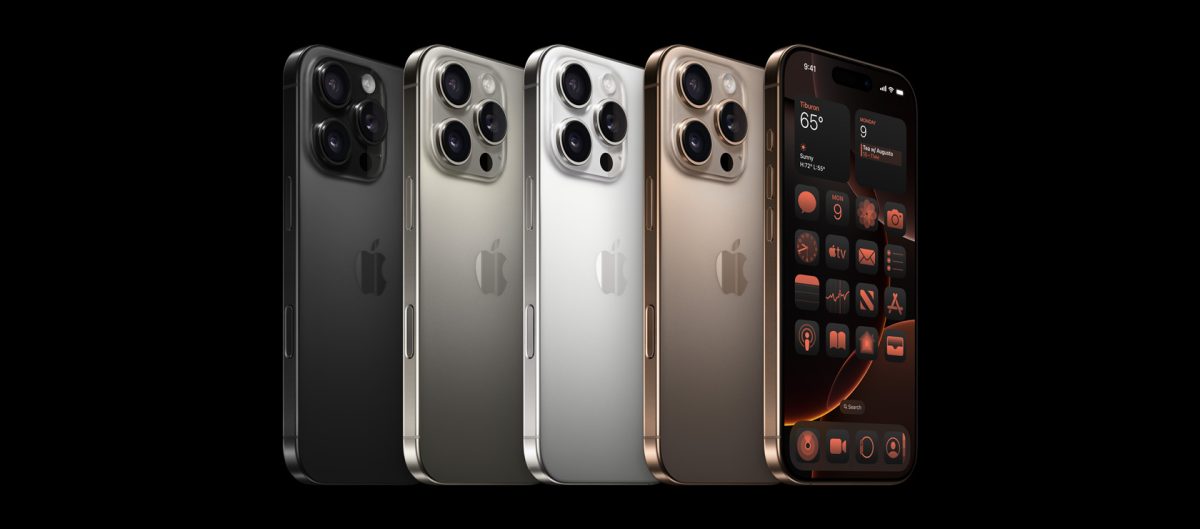
Last year, Apple unveiled its iPhone 16 lineup, leaving tech enthusiasts eagerly awaiting the highly anticipated Apple Intelligence feature promised during their WWDC event. However, the buzz has simmered down as both the iPhone 16 and iPhone 16 Pro fail to offer significant updates from the previous iPhone 15 Pro models. Unfortunately, this has led users to hold onto their current devices. In light of this, a trusted analyst suggests that Apple Intelligence isn’t influencing iPhone 16 sales as expected, prompting Apple to slash production by 10 million units from the last quarter of this year to mid-next year.
The iPhone 16, despite boasting notable advancements in its standard versions, retains a familiar design that doesn’t excite enthusiasts when it comes to the ‘Pro’ models. The much-hyped Camera Control button has also left users unimpressed, as they find little practical use in it. Despite the anticipation surrounding Apple Intelligence, Ming-Chi Kuo, a well-known analyst, sees no evidence suggesting it will significantly ramp up iPhone shipments in the near future. In fact, Apple’s reduction in iPhone 16 orders indicates a noticeable downturn.
There’s still optimism in certain markets about Apple Intelligence possibly boosting iPhone sales through its practical applications in daily use, potentially carving out a lucrative niche for Apple. However, whether it can support a surge in demand for the latest models remains uncertain.
While some market players maintain hope for an imminent spike in iPhone shipments, Apple’s reduction in orders hints at a more cautious short-term outlook. It underscores a pressing need for a fresh design across Apple’s smartphone range, as innovation takes a backseat with familiar layouts.
Speculation abounds as the tech community looks forward to the iPhone 17 ‘Air,’ which is rumored to integrate Apple Intelligence and sport an ultra-slim profile with a single-lens rear camera reminiscent of the iPhone SE 4. Whether Apple Intelligence can indeed drive iPhone 16 sales remains an open question, leaving users to ponder the future impact of this supposed game-changing feature.