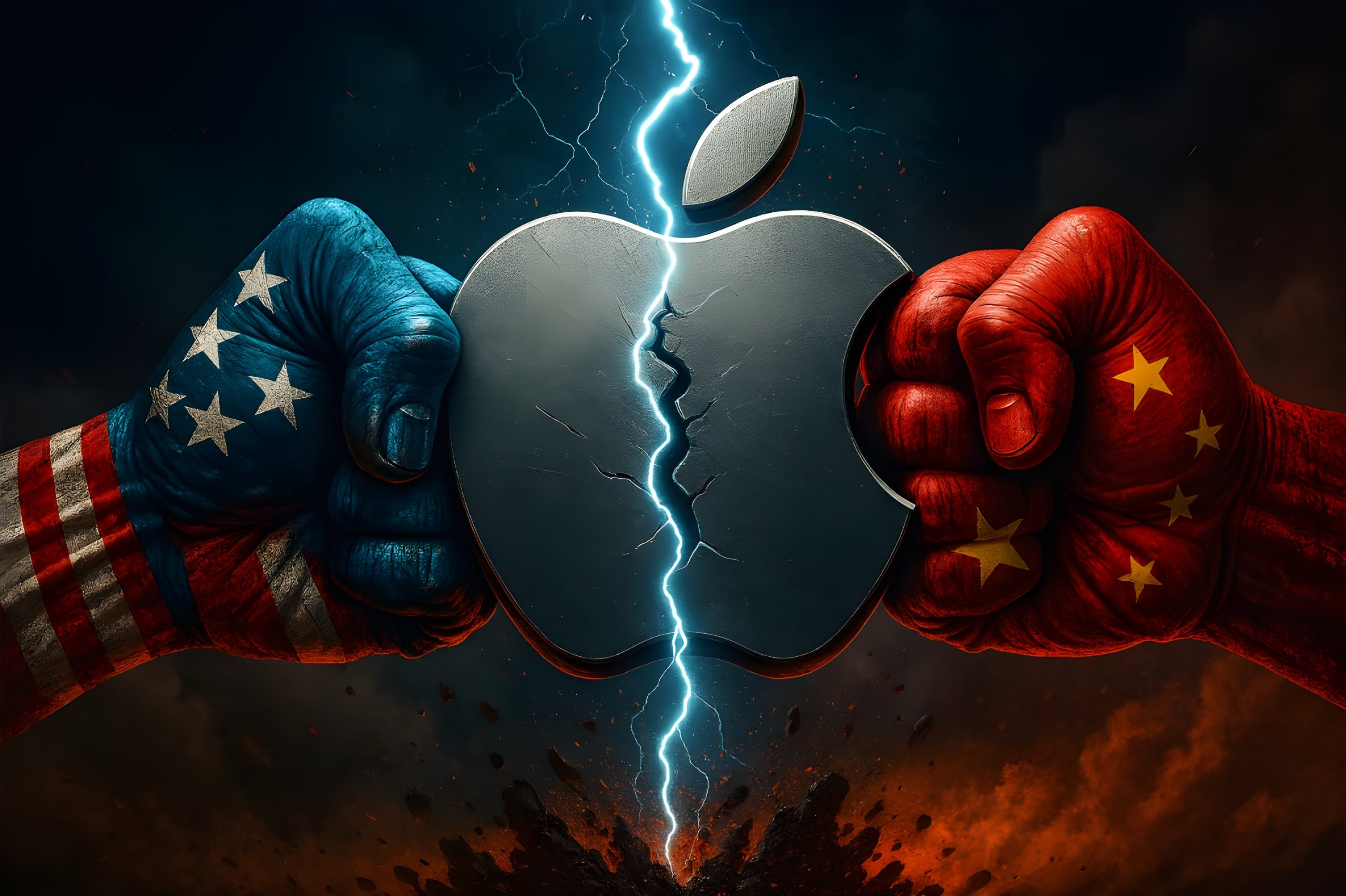
Apple has been quietly rewriting its supply chain playbook to blunt the impact of US import tariffs, blending big-ticket domestic investments with strategic production shifts abroad. The result: reduced geopolitical exposure, new American jobs, and a turbocharged push into AI infrastructure—even as tariffs still leave a noticeable dent in quarterly results.
The company pursued a two-pronged strategy. First, it moved primary iPhone production from China to India, diversifying a critical hardware line. When heightened US tariffs on Indian imports followed, Apple secured an exemption by pledging to invest $600 billion in the United States over the next four years. That investment targets a deeper domestic footprint across the technologies that matter most.
Key areas of focus include:
– A true end-to-end US silicon supply chain, built with partners like GlobalWafers America, Texas Instruments, Samsung, and Amkor.
– Expanded US sourcing for display glass through partnerships such as Corning.
– A new AI server manufacturing facility in Houston.
– Accelerated growth of data center capacity in North Carolina, Iowa, Oregon, Arizona, and Nevada.
Apple is also ramping up research and development in silicon engineering, software, and AI. It plans to create thousands of jobs and has opened a Manufacturing Academy in Detroit to train workers for advanced production roles.
Those domestic AI servers are already shipping to Apple’s data centers. They’ll help power Private Cloud Compute—where basic AI tasks run on device and more complex workloads are securely offloaded to Apple’s stateless, encrypted cloud—as well as Apple Intelligence, the umbrella for new AI features including a more capable Siri.
Even with these moves, tariffs are still a line item Apple can’t ignore. The company previously guided to a $1.1 billion direct hit from tariffs for fiscal Q3 2025, a figure it now confirms for the September quarter. Looking ahead, Apple’s finance team expects about $1.4 billion in tariffs and related costs for the December quarter. The company also signaled cautious optimism after a recent reduction to 10 percent in a China fentanyl-related tariff category.
Meanwhile, the supply chain recalibration continues across categories. Apple is shifting final assembly and packaging of Vision Pro to Vietnam and laying groundwork to build more home-focused devices there, including:
– A tabletop AI robot designed for mobility with multiple motors and sensors
– A HomePod with a 7-inch screen to control smart home devices and serve as a central hub
– Indoor security cameras
Taken together, these moves position Apple to weather trade volatility, localize more high-value manufacturing, and scale the AI infrastructure behind its next generation of services. The price of tariffs still shows up in earnings, but Apple’s long-term bet is clear: build more at home, diversify abroad, and turn its cloud-and-silicon stack into a competitive moat.


