In recent years, Apple has been known for its reliable rhythm of annual hardware and software launches. However, the tech giant seems to be considering a shift towards a less predictable release strategy. This change aims to enhance the stability and quality of its products, with the potential for staggered releases rather than the traditional yearly unveilings.
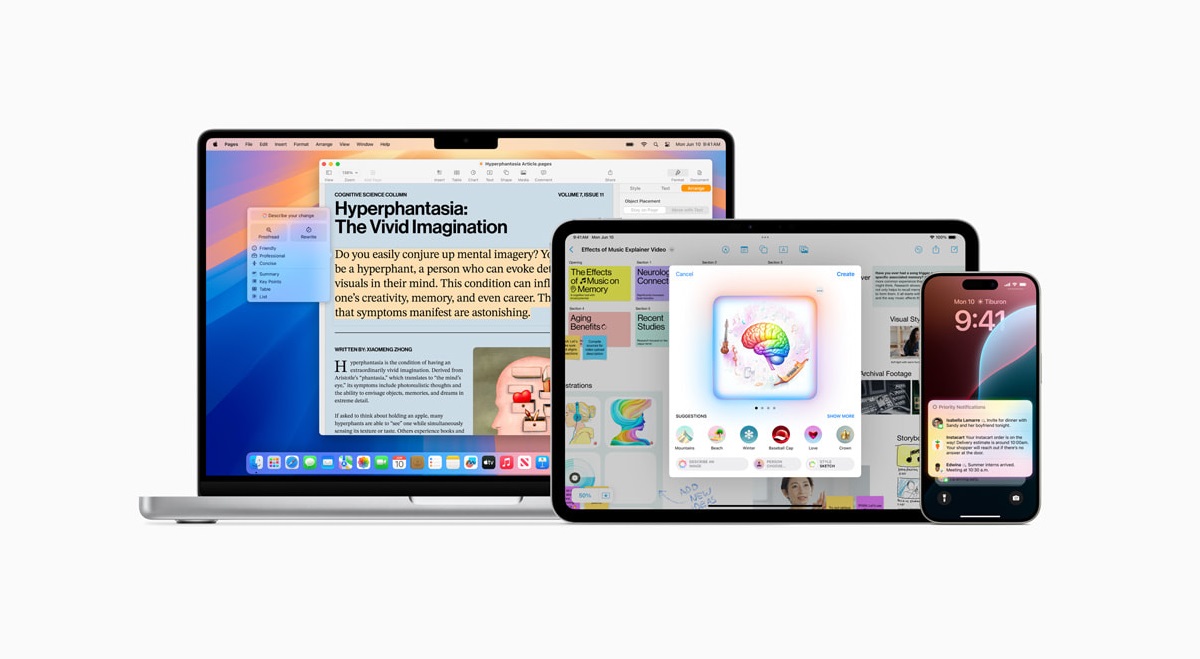
Renowned analyst Mark Gurman has noted that this potential pivot may stem from Apple’s newest service, Apple Intelligence, which showcases the company’s gradual drift away from its grand autumnal launches. Apple Intelligence, promoted alongside the latest iPhone 16 and future MacBook Pro models, signifies the first steps toward a new release strategy.
The focal point of Apple’s latest software upgrades, including iOS 18, is its new AI capabilities. Currently, these features are in their beta phase, accessible to developers for experimentation. The initial rollout of Apple Intelligence is scheduled for the debut of iOS 18.1, anticipated on October 28. Not all features will be available immediately; instead, they will be incrementally introduced through future updates across 2025.
Embracing such an approach could mean that Apple may begin announcing their products and services well ahead of their availability. While this could potentially diminish the initial excitement or hype, it also allows for the careful development of software features, particularly those that are intertwined with hardware. For instance, despite the iPhone 16 being marketed as Apple Intelligence-ready, the full service still awaits its official launch even a month post-release.
This strategy aligns with Apple’s endeavor to avoid pressure and the pitfalls of issuing unfinished products, as previously evidenced by issues that led to the retraction of updates for iPadOS 18, watchOS 11.1, and HomePod 18.1. This method may not affect all of Apple’s products; the yearly iPhone release is expected to persist. Still, devices like Macs and iPads might see extended development timelines to ensure their readiness.
Take the Apple Watch SE, which hasn’t seen a refresh for three years, contrasting with the sudden introduction of the new Apple Watch Ultra, a deviation from their usual schedule. Ultimately, Apple’s final strategy is still undetermined, as these insights are primarily speculative, and the company may choose an entirely different path.


