The wearable technology market is burgeoning, experiencing substantial growth as shipments of devices like smartwatches and earbuds continue to climb. This trend was confirmed by the significant spike in the global shipments of wearables, which underscores the increasing role these gadgets are playing in the world of tech.
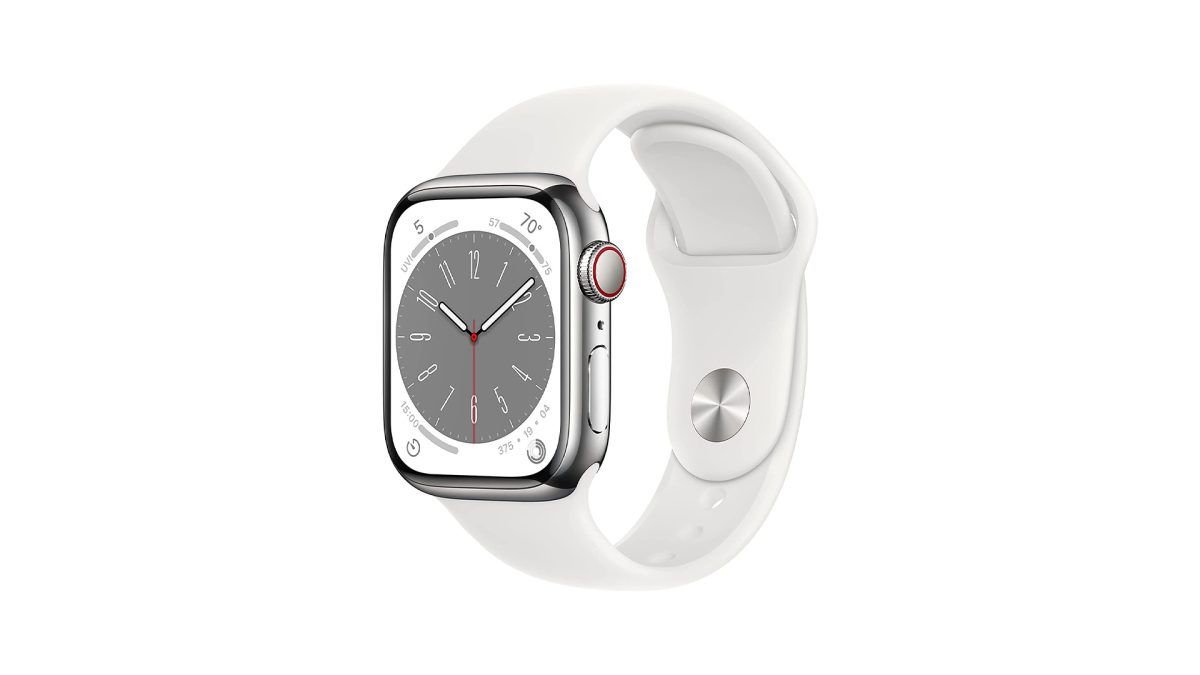
Evidence of this boost in interest was most recently demonstrated by figures that highlighted a robust growth in wearable devices. Even more notable is that this upsurge comes in spite of a dip in sales for some of the most established products in the category, namely the Apple Watch and AirPods. Despite these setbacks, Apple’s prominence as the premier supplier of wearable technology appears unchallenged.
According to the International Data Corporation, the wearable device industry saw a surge of approximately 8.8 percent year-over-year (YoY) in its total shipments, resulting in an impressive tally of 113.1 million units in the first quarter of 2024.
Interestingly, as wearables gain popularity, there’s been a noticeable decrease in Average Selling Prices (ASPs) for these gadgets, a trend that’s been consistent for the past five years. Recently, a sharp 11 percent drop was observed in the first quarter of 2024. This decline in ASPs indicates that consumers are showing increased price sensitivity, perhaps as a result of strained economic conditions. As a consequence, the wearable market is seeing a shift toward more affordably priced options.
Despite these industry-wide pricing challenges, Apple has held on to its lead in the market and continues to outpace competitors. Major players such as XIamo and Huawei follow behind as they grasp the second and third spots, respectively. Apple’s dominant market share, earning the title as the number one brand in wearables, was hardly dented by notable decreases in its shipments for signature products like the AirPods and the Apple Watch. Apple’s dominance is evident in its 20.6 million shipments in the first quarter of the year despite experiencing a 6.3 percent market share reduction from 2023-2024.
The economic downturn is frequently cited by industry experts, including Apple itself, for such a shortfall in shipments. Furthermore, industry speculations suggest that contributing factors also include a temporary ban on the Apple Watch and a perpetuation of the same generation of AirPods without significant new introductions to the product line.
Industry dynamics point towards an era where slower innovation may pave the way for more competitively priced competing companies to flourish. Consumer behavior is leaning toward moderately priced devices, which may put Apple’s long-term position at potential risk unless the tech giant can deliver substantial innovations.
The clear message within the wearable tech market is that even frontrunners like Apple cannot rest on their laurels. To maintain a lead, they need to address both the challenges of introducing meaningful technological advancements and the shifting consumer demands towards affordability without sacrificing quality and functionality. As the market evolves, it seems only those who can balance innovation with consumer expectations will thrive.