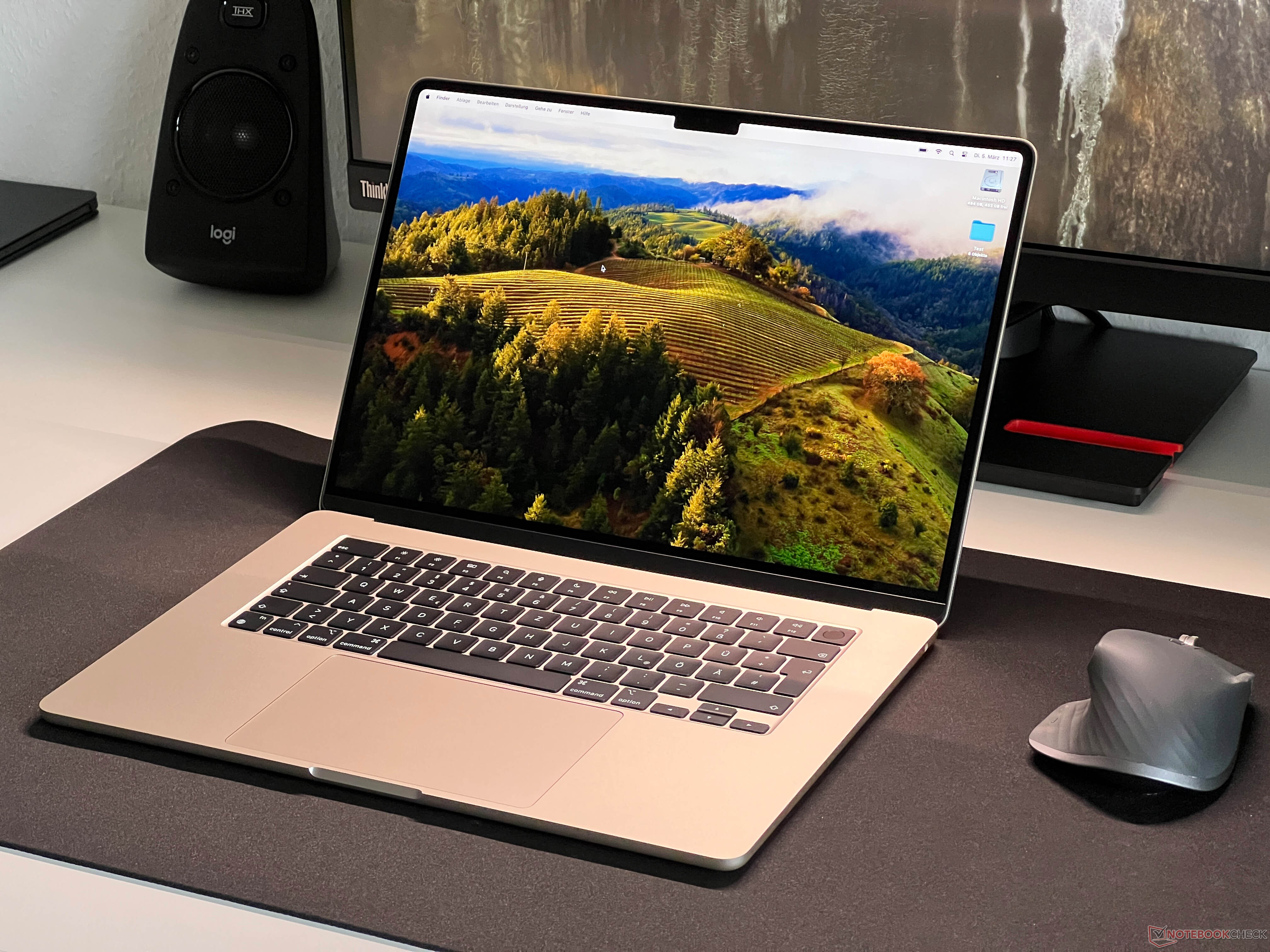
The introduction of the Apple MacBook Air 15 M3 showcases a step up with the introduction of the M3 SoC and an enhanced Wi-Fi module, but the new features may not be compelling enough to justify an upgrade from its predecessor, the MacBook Air 15 M2. It’s apparent that Apple is positioning the MacBook Air as a distinct option from its Pro series, as highlighted by the limited number of available ports.
Despite its limitations, the MacBook Air excels with its ultra-slim design and passive cooling system, which ensures that the device operates silently – a unique advantage that even similar Windows devices can’t claim, especially at the performance level the Air achieves. While other devices may offer superior performance, better quality displays, or longer battery life, finding these features combined in one unit is a challenge, making the MacBook Air 15 M3 an attractive offering for users prioritizing a sleek, silent, and capable day-to-day device.
For those who require a larger, noise-free device for everyday tasks, the improved performance brought by the M3 processor makes the MacBook Air 15 a compelling, albeit premium-priced, choice.
However, the display technology seems to be trailing behind competitors. While the IPS panel provides a high-quality image without PWM flickering, the lack of support for HDR content and the 60 Hz refresh rate have become less competitive for premium devices. The M3 processor’s performance is also not consistently stable, although it shows some improvement over the smaller models.
Pricing remains a major concern as the base model of the MacBook Air 15 M3 starts at $1,299, featuring 8 GB of RAM and a 256 GB SSD – a specification that is slowly becoming outdated for the price range. The reviewed configuration offers more value with 16 GB of RAM and a 512 GB SSD, now available as a standard option rather than a custom setup, presenting a potentially more viable option for consumers, particularly when discounts are available during launch periods.


