Apple is quietly trimming Mac upgrade options again, and the pattern is getting hard to ignore. After recently removing a popular entry-level Mac mini configuration from its online configurator, the company has now reduced the available memory choices for another high-end model—suggesting Apple is carefully managing limited component supply ahead of its next wave of Macs.
Not long ago, shoppers could configure the Mac mini with an M4 chip, 16GB of RAM, and 256GB of storage at a $599 starting price. That base option has since disappeared from Apple’s configurator, and it wasn’t an isolated change. Lead times for several Mac models have also stretched, pointing to broader supply tightening rather than a simple product reshuffle.
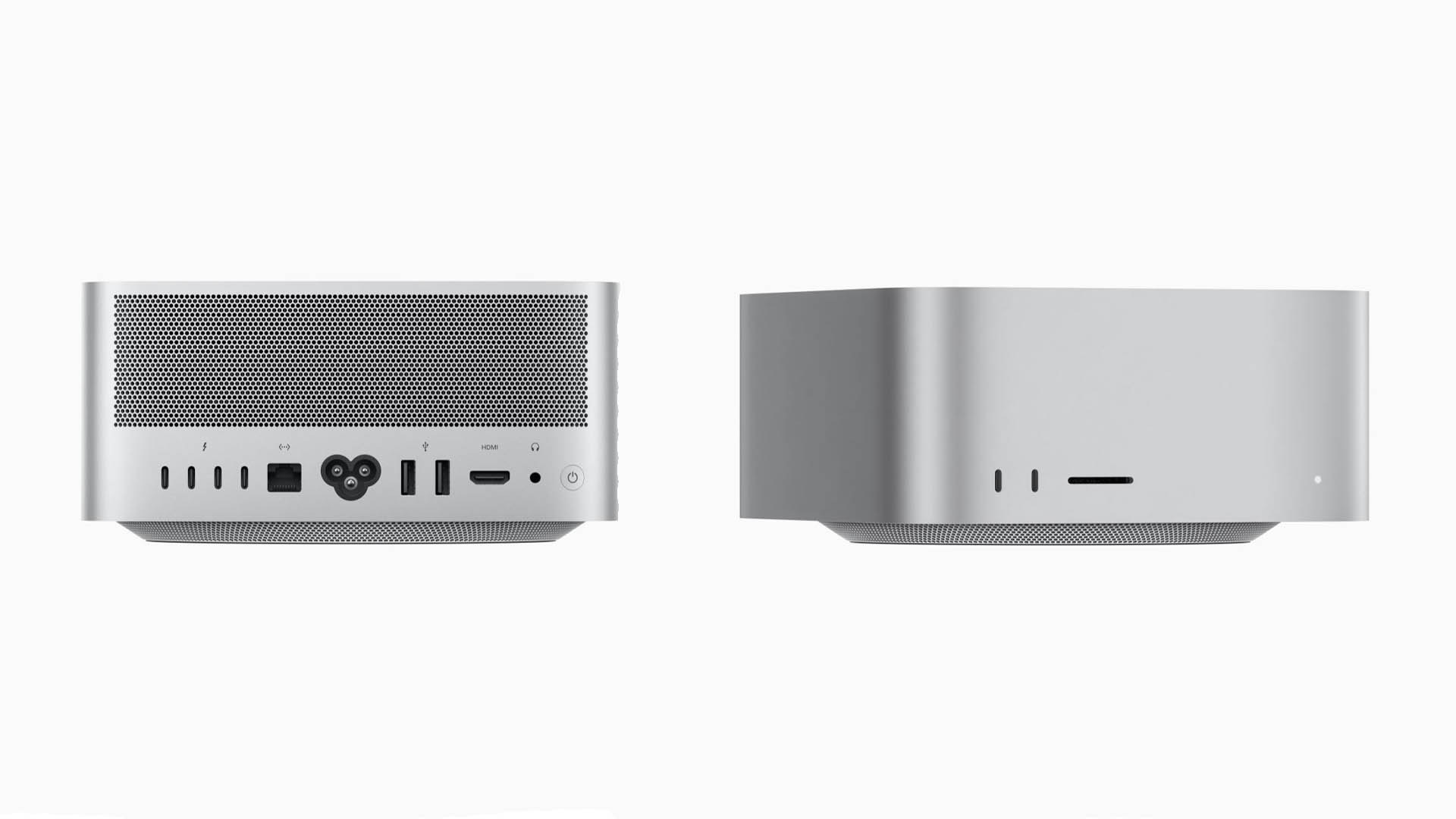
Now the same kind of streamlining has hit the Mac Studio. Apple has removed the 256GB memory option from the M3 Ultra Mac Studio configurator, leaving only a 96GB unified memory configuration available. For buyers who relied on higher memory ceilings for demanding workloads—large creative projects, local AI models, heavy pro apps, or complex development environments—this is a notable change, and it reduces flexibility for customers who want to spec a machine precisely for their needs.
Apple has already acknowledged that it may take months for Mac Studio and Mac mini supply to fully catch up with demand. The company has also pointed to rising interest in AI-related workflows as a key factor driving more people toward these higher-performance Macs. At the same time, Apple has attributed Mac supply constraints to limited access to advanced chipmaking capacity at TSMC rather than a straightforward shortage of memory.
Still, there’s another explanation gaining attention: Apple may be deliberately scaling back certain M3- and M4-based Mac configurations to conserve memory resources for upcoming M5-based models, which are widely expected to arrive as soon as this summer. From a business standpoint, that strategy could make sense. High memory configurations can consume a large amount of the same component supply that could otherwise be spread across many more units of other Macs. One 256GB unified memory pool, for example, could theoretically be allocated across roughly ten 24GB machines—devices that may collectively generate higher profit than a single fully loaded desktop workstation.
If that’s what’s happening, Apple’s approach appears to be less about raising prices and more about maximizing the number of sellable units it can ship—and prioritizing the models that bring stronger margins and broader demand. For customers, though, the result is simple: fewer configuration choices today, especially at the extremes, and potentially more waiting if the exact spec you want is no longer offered.
For anyone considering a Mac Studio or Mac mini right now, these configurator changes are a signal to check availability carefully and act sooner rather than later if a specific setup is still in stock. And if you’re willing to wait, the bigger payoff could arrive later this year, when the expected M5-based Mac Studio and Mac mini models may reset the lineup—and possibly restore the broader range of options that power users are looking for.