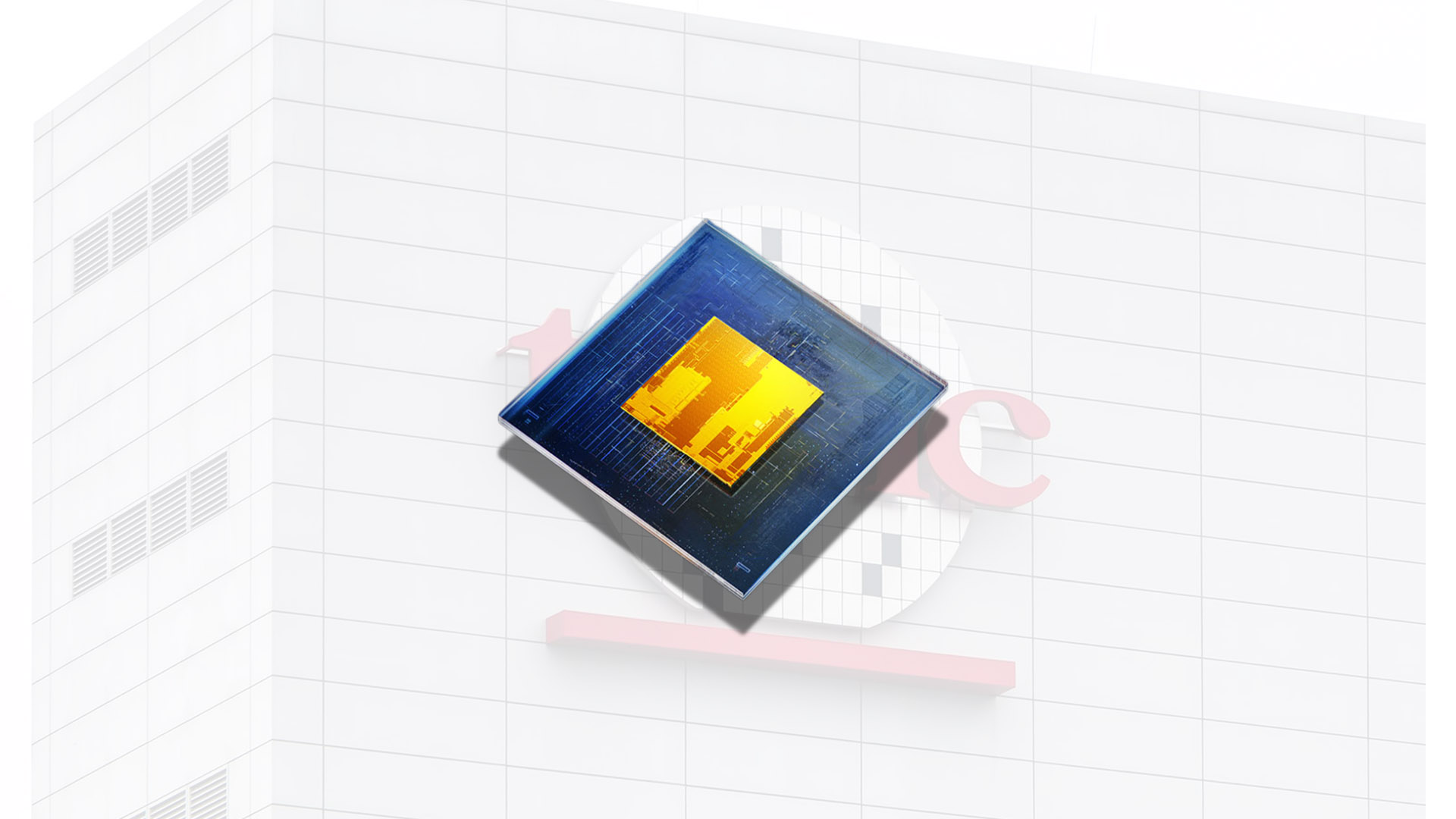
TSMC is riding a wave of success with its SoIC (System on Integrated Chips) advanced packaging, which offers significant technological benefits. Two major companies, including Apple, are key contributors to this growth. Unlike a traditional SoC, SoIC packaging presents different possibilities, and there’s speculation that Apple might incorporate this technology into its chipsets later this year.
Previously, reports suggested that Apple’s higher-tier M5 versions could take advantage of TSMC’s SoIC packaging, which offers benefits like lowered power consumption. With increased orders from both Apple and AMD, TSMC is experiencing remarkable growth in this area. While it’s unclear how many of these wafers have been pre-ordered, production is set to ramp up by the end of 2025. Interestingly, while NVIDIA’s Rubin architecture is also poised to use this technology, recent discussions have not highlighted their involvement. TSMC’s focus seems to be shifting from CoWoS (Chip on Wafer on Substrate) to SoIC, as their major customers are eager to showcase new products using this technology.
Later this year, Apple’s adoption of SoIC packaging could become evident in the upcoming M5 series, expected to feature in the updated 14-inch and 16-inch MacBook Pro models. Unfortunately, the base model might not utilize this packaging, but the M5 Pro and potentially more powerful variants are likely to benefit. The key advantages of SoIC technology include the ability to stack two advanced chips directly on top of each other, enabling ultra-dense connections. This results in reduced latency, enhanced performance, and greater efficiency.
At TSMC’s 2024 Symposium, the company expressed optimism about the widespread adoption of SoIC, anticipating around 30 designs to launch between 2026 and 2027. As we approach late 2025, we could see the beginning of this trend, with Apple potentially leading the charge.