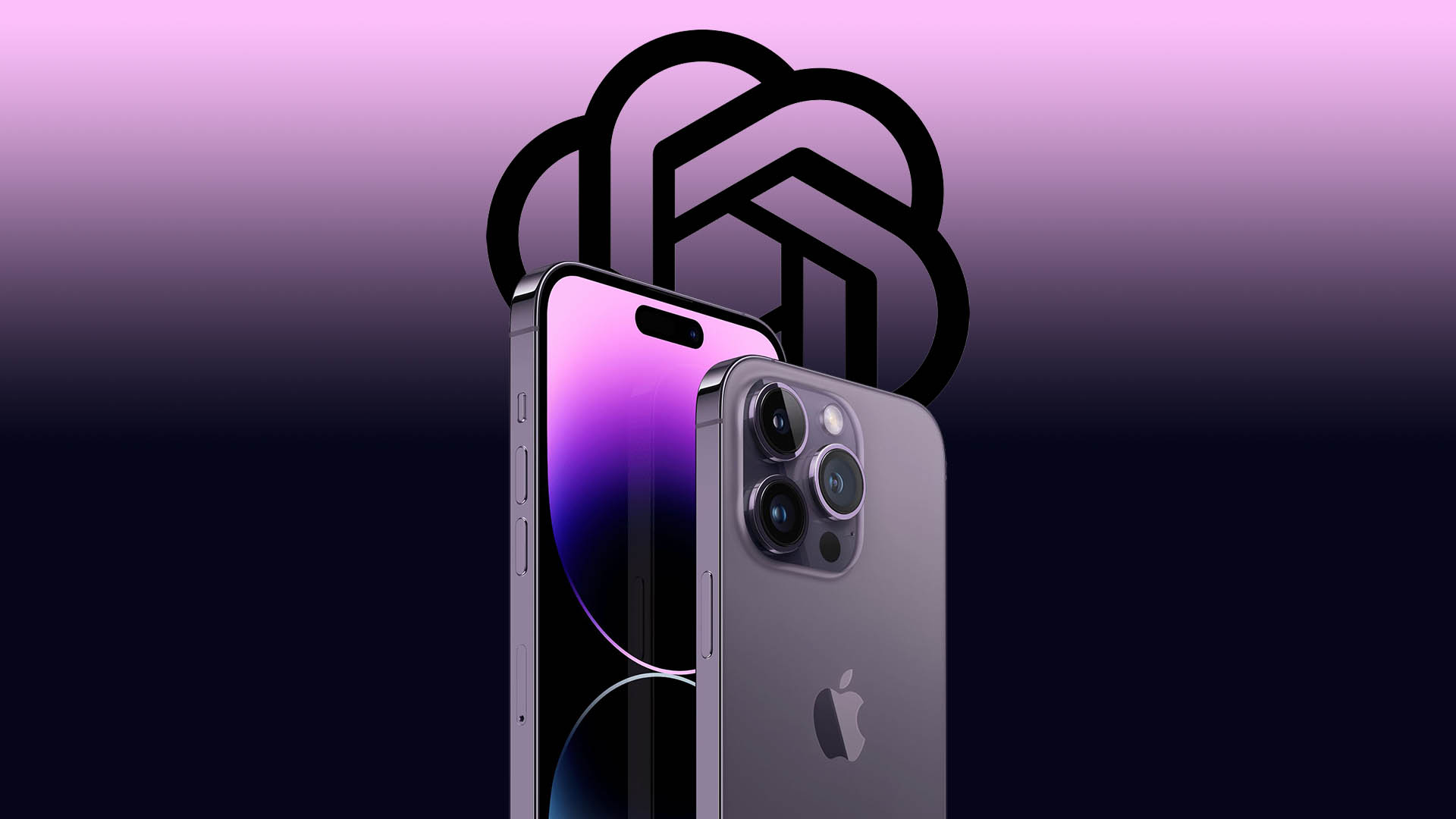
Despite the expected response to the advent of OpenAI’s ChatGPT, it appears that Apple is not pursuing the creation of its own proprietary chatbot, a piece of technology that had been rumored to be in development under the name ‘Apple GPT.’ The unfolding narrative surrounding Apple’s AI aspirations has taken a turn, as new reports suggest the tech titan is not crafting a standalone chatbot to rival ChatGPT, but instead, is considering a different path to incorporate generative AI into its ecosystem.
Initially, the buzz was that Apple would unveil its chatbot at the much-anticipated WWDC 2024 keynote and would further incorporate it into the release of iOS 18. However, plans have evolved, with the company opting against developing its own chatbot. Acting on the maxim that reinventing the wheel isn’t always the best route to innovation, Apple has reportedly decided to explore partnerships rather than pouring resources into competing directly with a well-established player such as OpenAI’s ChatGPT.
Partnership, rather than competition, may indeed be a more strategic and resource-efficient avenue for Apple. Strengthening this hypothesis, it was earlier reported that Apple was exploring potential collaborations that would embed ChatGPT-like functionalities directly into the fabric of both Siri and iOS 18. Such moves would explain why Apple isn’t too keen on independently developing a chatbot; it sees more value in weaving existing advanced chat technologies into its platforms.
However, it wasn’t just OpenAI in the potential chatbot-partnership mix. It seemed that Apple had also been in conversations with Google to possibly integrate something similar to Google’s AI capabilities into its products. Yet, the pendulum swung towards OpenAI, likely due to its front-runner status in the generative AI sphere. It’s important to note that this focus on partnership rather than development comes on the back of a reported need for an AI solution that meets Apple’s high standards, which the company’s in-house efforts weren’t meeting.
As far as partnerships go, Apple seems to have found its match in OpenAI, with agreements reportedly progressing faster than initially anticipated. Details on how this partnership will manifest in products are still under wraps, but with WWDC 2024 on the horizon, the community is eager to see what the collaboration might bring to Apple’s suite of products and services.
In the meantime, the supposed reluctance in developing an in-house alternative to ChatGPT can be seen as a judicious allocation of Apple’s innovation resources. With the company’s emphasis on quality and the integration of layered technology experiences, it’s critical for their team to channel efforts where it will most enhance user experiences. Thus, steering clear of a direct clash in the chatbot market might very well be a deft strategic move by Apple.
As the scope for generative AI integration widens, it’s clear that Apple remains committed to keeping pace with the rising tide of AI technologies, but prefers to do so through collaborations that leverage existing technologies and expertise. Fans and users can eagerly await the WWDC 2024 keynote for more concrete information about what’s next in Apple’s AI journey. Whether it’s proprietary or partnership-based, Apple seems set on ensuring that its AI offerings will meet the high expectations associated with the company’s brand.


