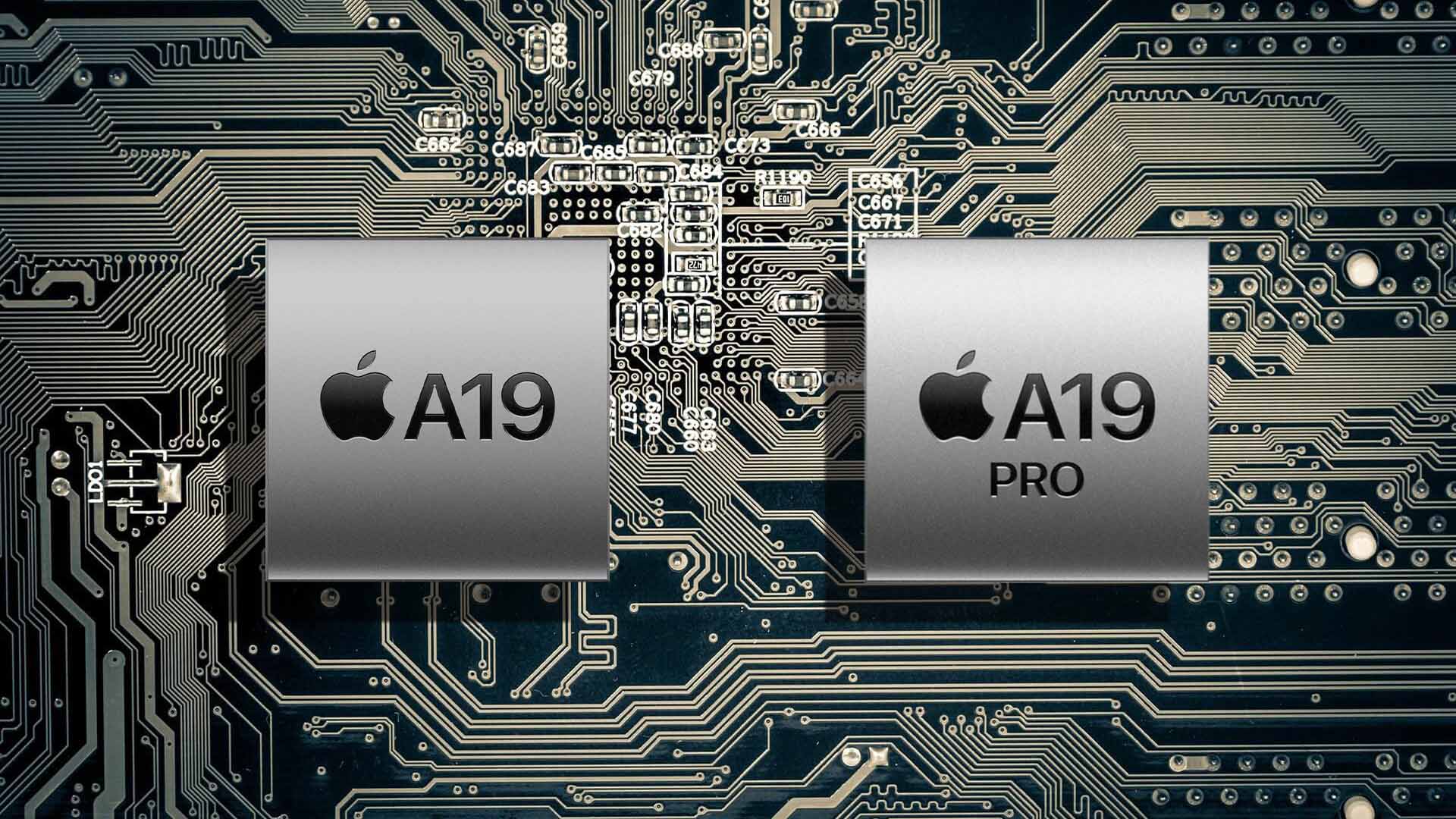
Apple’s iPhone 17 lineup is off to a blazing start, and that momentum is reverberating through its supply chain. According to a well-known mobile chip expert on Weibo, strong demand for the iPhone 17 family has triggered fresh orders at TSMC for Apple’s latest A19 series processors. In October and November alone, Apple reportedly ramped production by roughly 4–5 million units to keep pace with sales, with a significant share of those additional chipset orders believed to be for the higher-end A19 Pro.
Three chipsets make up the A19 family, though it’s not yet clear which variant holds the production lead. What is clear is consumer preference: the iPhone 17 Pro and iPhone 17 Pro Max are commanding the bulk of shipments, which likely puts the standard A19 Pro—featuring a 6-core CPU and a 6-core GPU—at the center of TSMC’s current output. By contrast, a binned A19 Pro variant said to power the iPhone Air appears to be produced in lower volumes, reflecting softer demand for that model.
The base iPhone 17 shouldn’t be overlooked. For the first time, it brings an LTPO OLED display to Apple’s entry tier, paired with the A19 chip, 8GB of RAM, a dual rear camera system, solid battery life, and a compelling $799 starting price with double the previous internal storage. That combination is giving shoppers a strong reason to choose the most affordable model without feeling like they’re compromising.
TSMC was already seeing a steady flow of A19 and A19 Pro work thanks to early iPhone 17 strength. With this latest surge, the foundry may need to allocate even more production capacity to Apple. Reports also suggest Apple has secured more than half of TSMC’s initial 2nm capacity, a strategic move that could keep supply tight for rivals while ensuring Apple remains TSMC’s largest customer into next year.
Bottom line: red-hot iPhone 17 demand is translating into aggressive chipset orders, accelerated production, and a firm grip on leading-edge manufacturing. If this trajectory holds, Apple’s latest lineup is poised to dominate the premium smartphone market through the coming quarters.