Apple has been at the forefront of innovation with its custom A-series chips, renowned for their exceptional performance. The A18 and A18 Pro chips that currently power Apple’s latest devices are built on TSMC’s 3nm process. Many had anticipated that Apple would soon transition to the cutting-edge 2nm node, particularly for the upcoming iPhone 17 Pro models. However, the tech giant has put those plans on hold, citing prohibitive costs and limited manufacturing capacity for the more advanced chips.
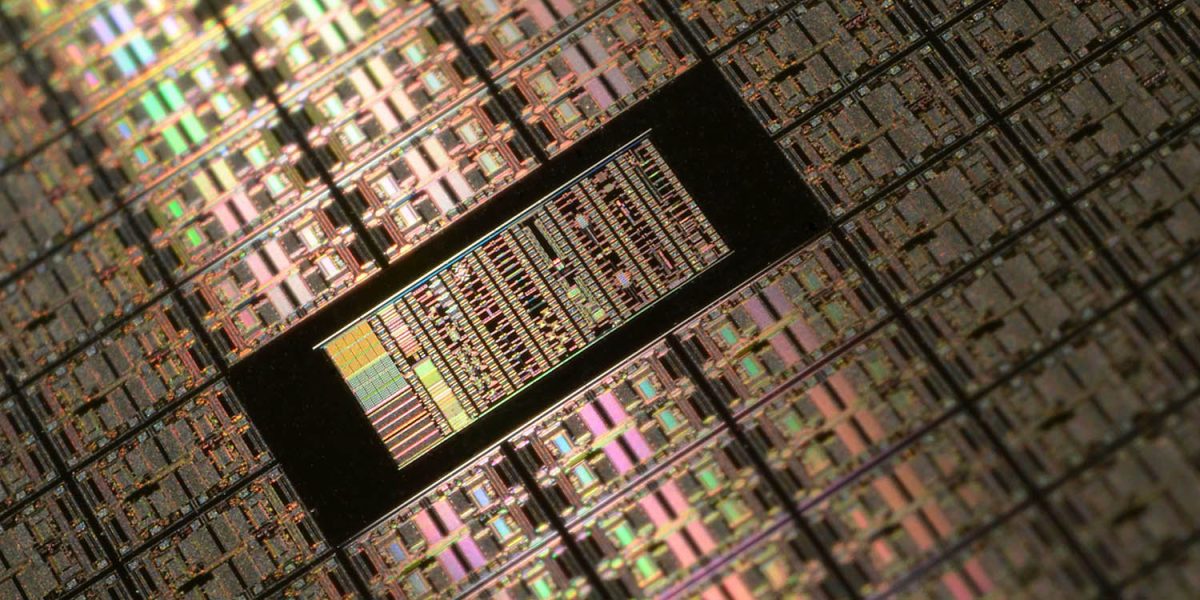
Recent media reports indicate that Apple has decided to postpone the introduction of TSMC’s 2nm chips until 2026, when they are expected to debut with the iPhone 18 Pro models. The decision stems from concerns about the high production expenses associated with the 2nm chips and TSMC’s limited ability to produce them at scale. Early trial production at TSMC’s Baoshan plant in Hsinchu, Taiwan, has yielded less than satisfactory results, with only a 60 percent success rate, meaning around 40 percent of the chips produced are defective. Given the exorbitant cost of $30,000 per wafer, Apple found the transition impractical for the next iPhone release.
As a result, the iPhone 17 lineup will continue to utilize the more established 3nm chips already used in the iPhone 16 models. Nevertheless, Apple promises enhancements with the A19 Pro chips, which should still deliver noticeable improvements in performance and efficiency.
Despite these production hurdles, TSMC highlighted at the 2024 IEDM conference that the 2nm chips would include up to 15 percent more transistors than their 3nm counterparts. This advancement promises a similar performance uplift without increasing power consumption, which remains a crucial consideration for Apple in balancing performance and battery life.
In delaying the use of 2nm technology, Apple is prioritizing cost management and product reliability, ensuring that iPhone prices remain competitive while still pushing the limits of tech innovation. As Apple continues to navigate these challenges, tech enthusiasts eagerly await updates on future developments. Stay tuned for more insights into Apple’s chip evolution.