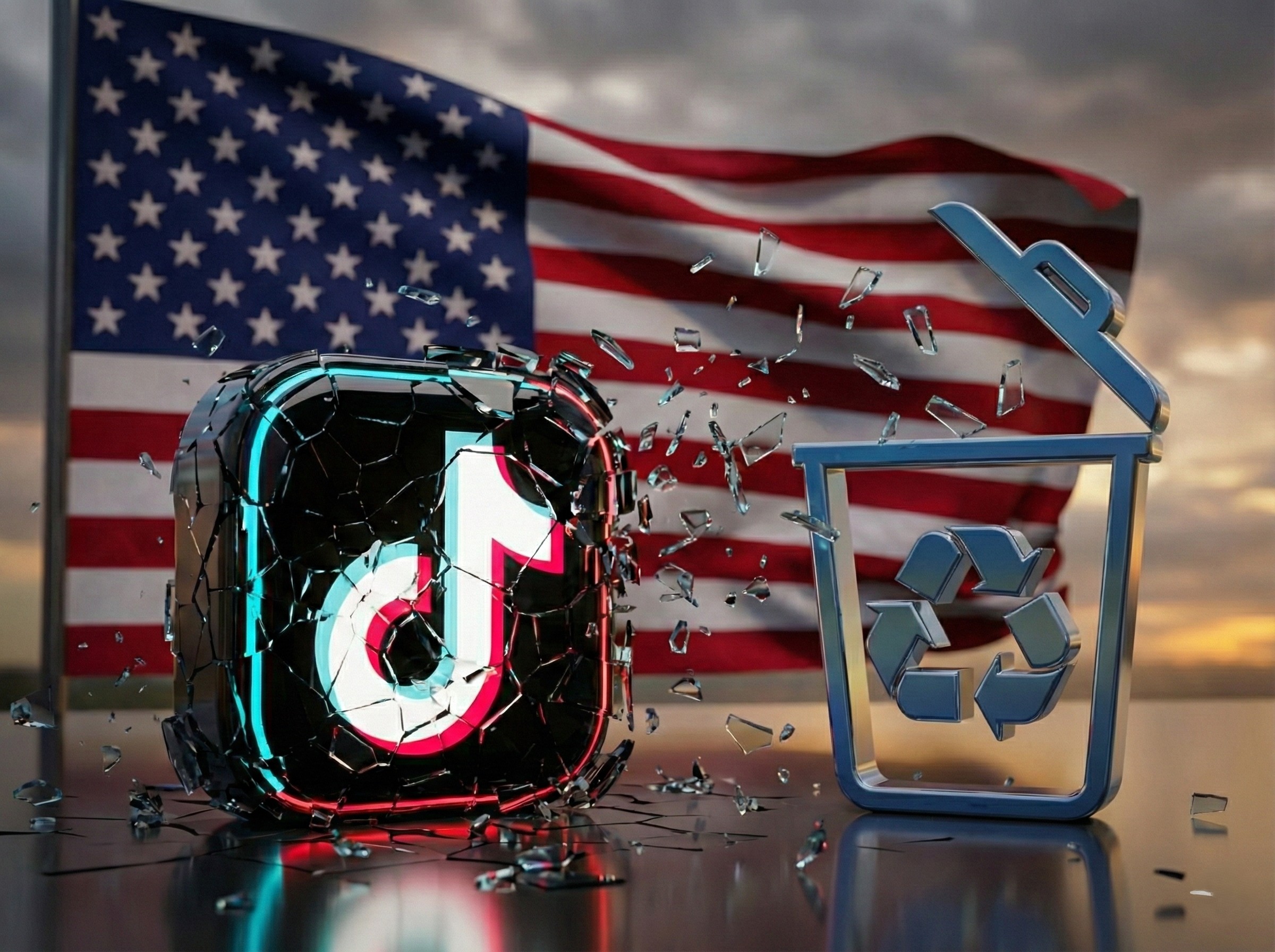
TikTok’s new U.S. joint venture rollout is off to a shaky start, and many American users are responding by deleting the app in large numbers. In the first five days after the operator change, daily TikTok uninstalls in the United States surged by nearly 150% compared with the previous quarter, according to app-market analytics cited in the original report. While TikTok remains one of the most-used social media platforms in the country, this spike signals real frustration—and real anxiety—around what comes next.
A big driver behind the wave of deletions is simple usability. Users have complained about technical shortcomings affecting core features, including the recommendation algorithm and uploading. Those issues hit a peak when a data center blackout on January 25 reportedly left many people unable to access TikTok for more than 24 hours. For creators and businesses that rely on daily posting, even short outages can feel like a deal-breaker, and a full-day disruption can push users to test alternatives. As a result, competing apps such as UpScrolled and Skylight Social reportedly experienced rapid growth in downloads during the chaos.
Alongside performance problems, privacy concerns are fueling the backlash. TikTok’s newest terms of service and privacy policies have attracted attention for language that allows the collection of sensitive data, including ethnicity, sexual orientation, and immigration status. While the post notes these clauses have reportedly been in the guidelines since August 2024, they’re being re-read now through a more political lens because of the operator change. That shift in perception matters: even if the policy text isn’t brand-new, users may feel the context has changed—and trust can evaporate quickly when people believe their data could be used in ways they don’t support.
There’s also a growing fear among creators and everyday users that the platform could face heavier moderation or censorship, particularly around politically charged topics. Skepticism has centered on whether conversations could be restricted in the future, especially around high-profile issues. TikTok USA has pushed back on these claims and has told users it will not censor content, explicitly stating that topics like U.S. Immigration and Customs Enforcement (ICE) and the Jeffrey Epstein case would remain open for discussion on the platform. Even so, the public reaction suggests reassurance hasn’t fully calmed the concerns.
Interestingly, despite the dramatic rise in uninstalls, active TikTok usage in the United States has reportedly remained largely stable so far. That points to a familiar social-media reality: many people may be unhappy, but a sizable core audience is still staying put—for entertainment, community, creator connections, or because their followers and favorite content are still there.
For now, TikTok’s U.S. relaunch story is being shaped by two forces at once: technical reliability and user trust. If the company can stabilize performance and convincingly address privacy and censorship fears, it may keep its loyal base intact. If not, the first-week surge in uninstalls could be an early sign of a broader shift in where Americans choose to spend their scrolling time.