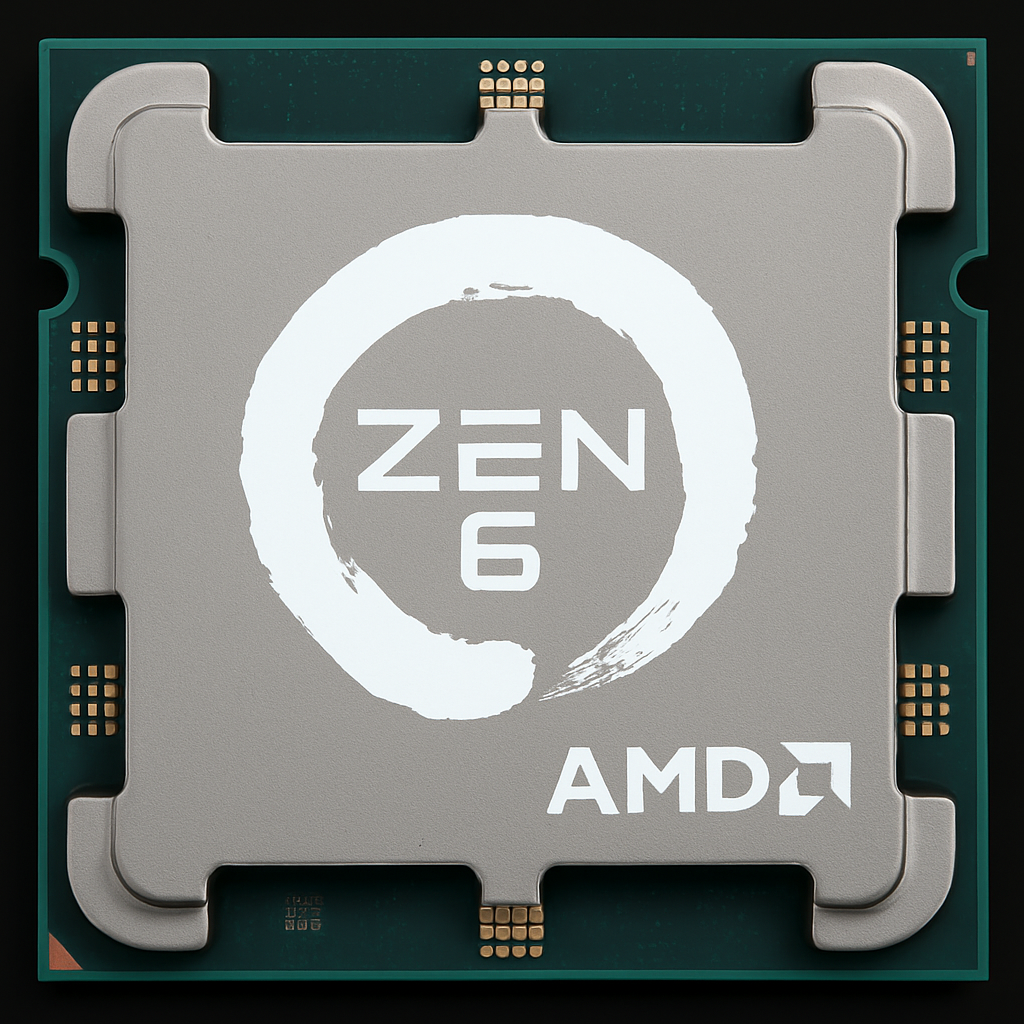
AMD’s next wave of desktop processors built on the Zen 6 architecture may be arriving later than expected. While earlier plans pointed to a 2026 debut, a new report suggests AMD is now targeting 2027 to showcase its next-generation Ryzen desktop CPUs—potentially pushing the entire Zen 6 desktop launch window back by about a year.
Why does this matter? AMD has followed a fairly predictable cadence in recent years, typically refreshing its mainstream desktop CPU lineup about every two years. With Zen 5 first appearing in 2024 and Zen 5 desktop parts landing afterward, a 2026 Zen 6 desktop release fit neatly into that rhythm. If the updated timeline is accurate, desktop PC builders waiting for the next big jump in performance, efficiency, and platform improvements could be in for a longer wait.
There’s also a possible knock-on effect for laptops. Zen 6-based “Medusa Point” mobile chips were already expected in 2027, and if desktop Zen 6 is shifting, it raises the possibility that the laptop schedule could slip too. That said, Zen 6 may still make an earlier appearance in the server world: AMD’s EPYC “Venice” processors are expected to launch in 2026, which could offer the first real look at Zen 6 in shipping products—just not in consumer desktops right away.
No official reason has been given for the rumored delay, but a couple of plausible factors are being discussed. One is manufacturing capacity, especially if Zen 6 is tied to advanced next-generation process technology where supply could be tight. Another is the broader cost environment for PC upgrades, including memory and storage pricing, which can influence how aggressively new DIY-focused platforms are rolled out.
Leaks are also adding fuel to the conversation. A well-known tipster has claimed that a top-end Ryzen 11,000-series Zen 6 desktop CPU could feature as many as 24 cores, hinting at a significant step up for AMD’s mainstream desktop lineup if and when it arrives. Interestingly, the same chatter suggests Intel’s competing next-generation desktop lineup may also be pushed to 2027, leaving fewer truly new desktop CPU launches in the near term and making upcoming refreshes more important.
If Zen 6 desktop really does slip to 2027, don’t be surprised if AMD fills the gap. The company has a history of releasing unexpected CPUs to extend the life of existing platforms—meaning 2026 could still bring a surprise update for current socket owners, even if it isn’t a full next-generation leap.
For now, the key takeaway is simple: Zen 6 desktop may not land in 2026 as previously expected, but Zen 6 technology could still surface earlier through AMD’s server chips, with the bigger consumer desktop jump potentially arriving in 2027.