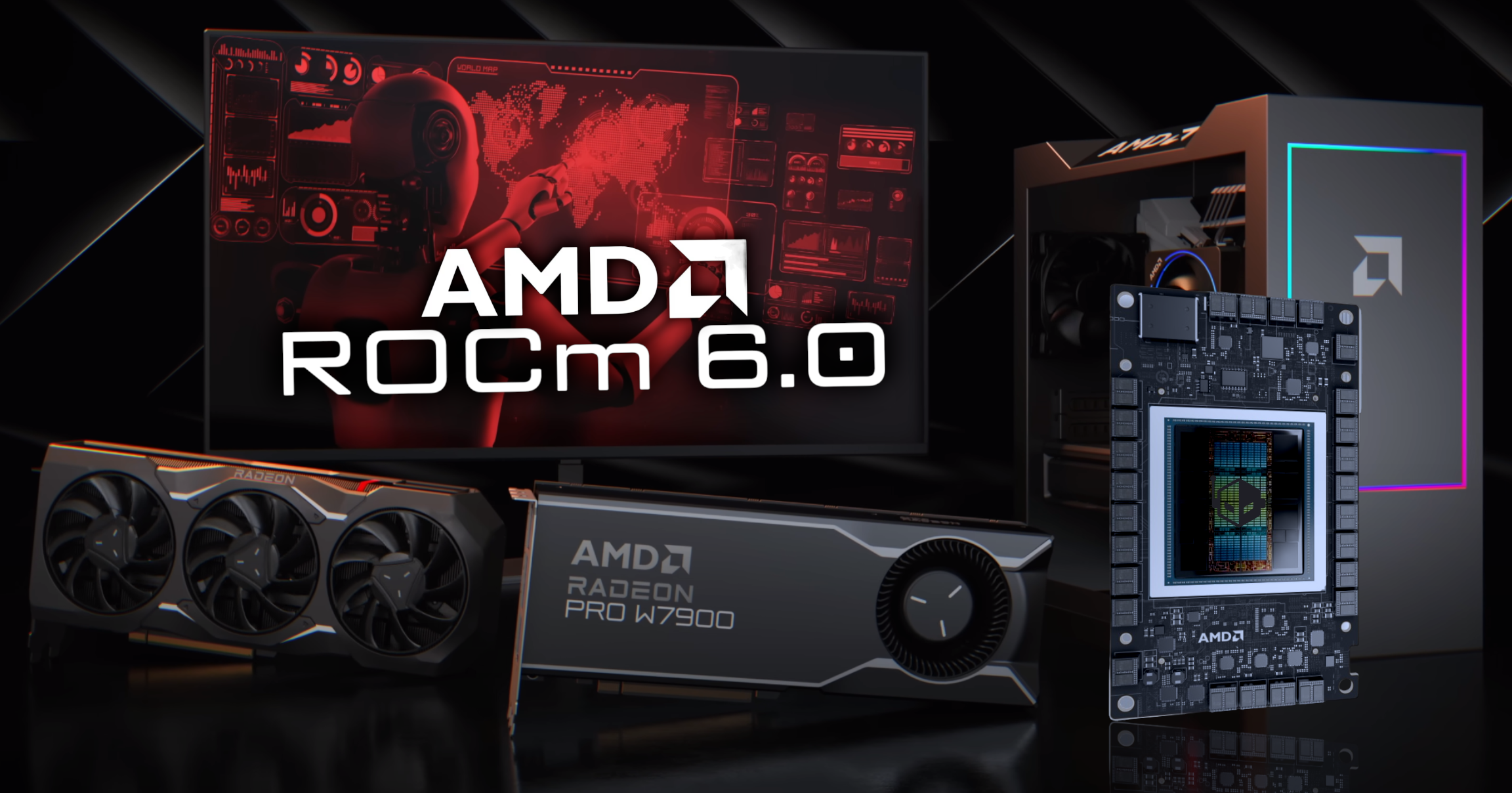
In a move that signals a closer bond with the developer community, Advanced Micro Devices (AMD) is set to open up portions of its ROCm (Radeon Open Compute) software stack and provide greater access to hardware documentation. This decision comes as a strategic enhancement to its software and artificial intelligence ecosystem, responding to valuable feedback from users and companies engaged in AI development.
AMD found itself facing criticism over the stability of its software and AI support within ROCm, particularly from users of Radeon RX GPUs who experienced instability issues. Voices in the tech community, including those from smaller companies like TinyGrad, have voiced concerns and have called for more open-source solutions from AMD. The reasoning behind this is that an open-source approach would allow for community-driven fixes and optimizations that could lead to a more stable and efficient driver support system.
In response to these concerns, AMD has engaged in discussions with key community figures and acknowledged the necessity for a more open, transparent approach to software enhancements. AMD has shown a commitment to resolving driver bugs and improving overall user experience.
Now, AMD has made it clear that it will take significant steps toward open sourcing more of its software stack, along with releasing more detailed hardware documentation. This change is poised to enable users and developers alike to contribute to the software ecosystem, fostering an environment where collaborative efforts can lead to more robust and feature-rich tools.
Additionally, AMD has established a feedback tracker known as “fuzzyHSA,” designed to capture community input and offer timely updates. This tracker is a harbinger of the company’s dedication to staying connected with its user base and maintaining a responsive stance.
Recent efforts by AMD have been commendable, with the company successfully rolling out ROCm 6.1 support to its line of consumer-grade hardware which includes cutting-edge models like the Radeon RX 7900 XTX and Radeon RX 7900 XT, as well as professional-grade solutions such as the Radeon Pro W7900 and W7800. In conjunction with AI optimizations, these developments have contributed to a robust software stack that is expected to be further bolstered by the forthcoming open-source contributions.
AMD finds itself in a competitive landscape, aiming to establish a rival offering to NVIDIA’s well-established CUDA platform and Intel’s budding oneAPI. These competitors have set high standards in the AI and machine learning domains, with CUDA currently reigning as the leader. Open-sourcing its software stack may provide AMD an edge to accelerate innovation and adoption in this competitive arena.
With this strategic direction, AMD is poised to potentially transform the dynamics of GPU support and AI development through its commitment to openness and community collaboration. How this change will impact the position of AMD ROCm in the market remains a subject of intrigue. Nevertheless, it signifies a promising development for developers eager to optimize their applications on Radeon hardware, as well as for AMD itself in its quest to refine its niche in both software and artificial intelligence solutions.