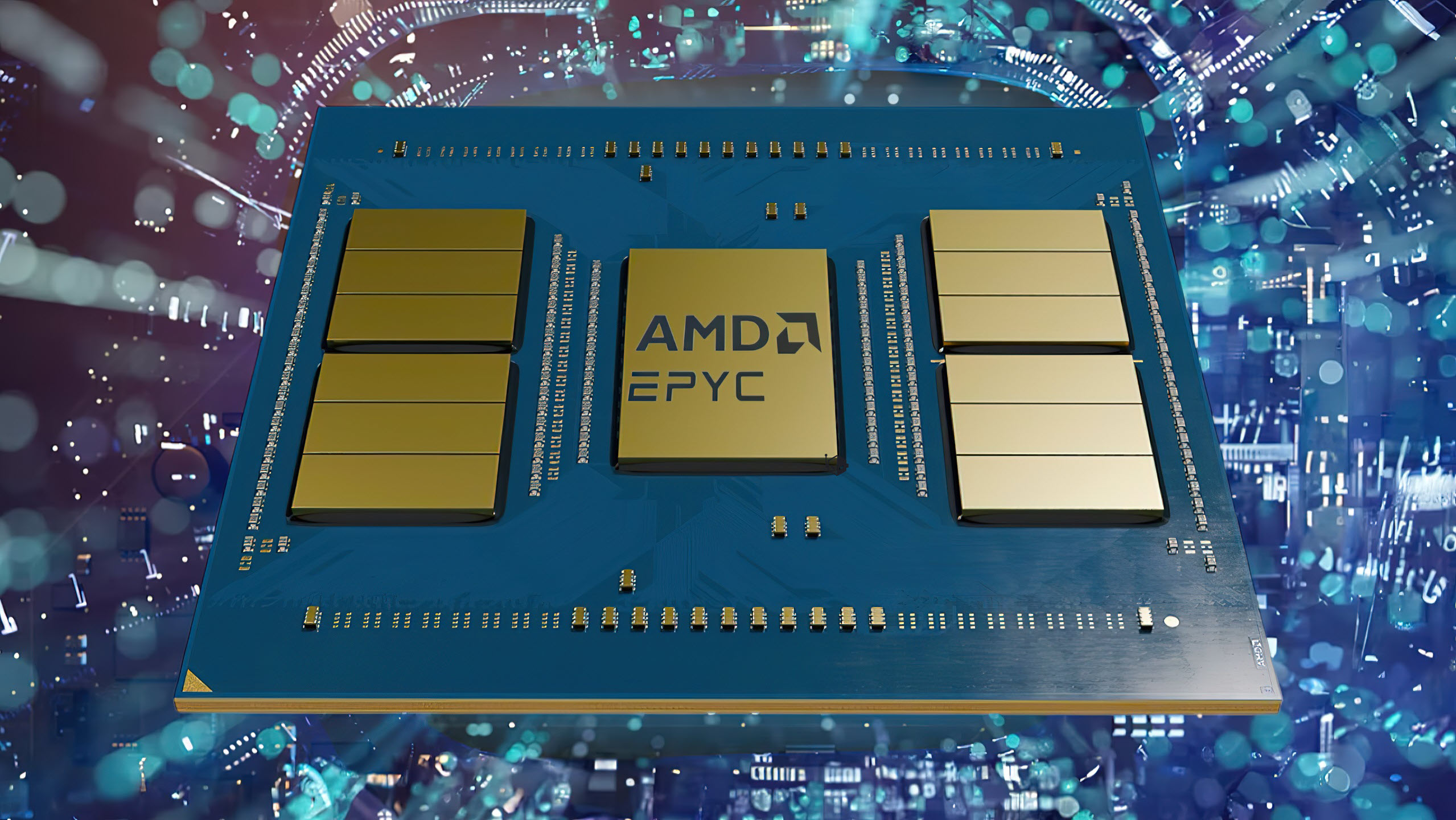
AMD has transformed the server CPU landscape remarkably over the last few years, emerging as a formidable competitor to Intel, which has long dominated the market.
In under a decade, AMD is on track to secure a commanding 50% market share in the server CPU sector. This impressive growth is largely due to its competitive EPYC processors. While Intel has faced challenges in the AI and data center segments, AMD’s strategic improvements in its EPYC line have propelled the company forward, putting it in a strong position to rival Intel’s leadership.
Back in 2017, AMD’s presence in the server processor market was virtually nonexistent. However, under the leadership of CEO Lisa Su, the company revamped its platform strategy significantly. This strategic overhaul gave birth to the EPYC “Naples” series, introducing the Zen architecture to the server domain. The subsequent years saw AMD’s market influence expand rapidly, driven mainly by the success of the EPYC lineup. As of the first quarter of 2025, AMD’s market share soared to 39.4%, reflecting a quarterly increase of 6.5%.
While AMD’s advancements are commendable, they are also partly attributed to the slowing momentum of its rivals. Intel has faced a series of setbacks, with leadership changes and unmet expectations hindering its progress. Although its Xeon platform remains robust, increased competition has left Intel needing to innovate to maintain its long-standing dominance in the server CPU sector.
This dynamic shift in the market underscores the growing competitiveness within the industry, with AMD poised to continue shaping the future of server processing.