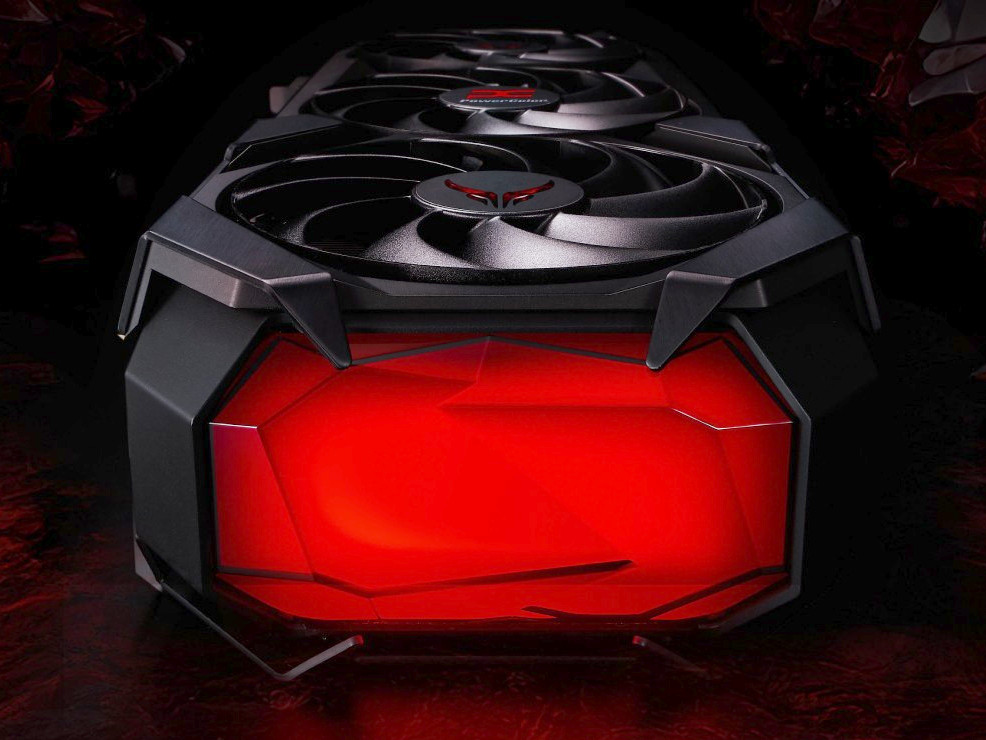
Traditionally, Linux users have often faced challenges when it comes to new hardware support, especially for cutting-edge tech. However, things are looking promising for the soon-to-be-released AMD Radeon RX 9070 and 9070 XT GPUs. In an exciting development, AMD’s open-source Vulkan driver for Linux, known as RADV, has already been updated to support these upcoming RDNA 4 graphics cards.
Valve’s Samuel Ptoiset confirmed that early support is in place, with the core functionalities ready to deliver a solid performance at launch, albeit with a couple of features still in progress. Although advanced capabilities like cooperative matrix and video encode/decode might not match those available in the current RDNA 3 architecture just yet, great strides are being made to close these gaps.
Attention is also being directed towards implementing Delta Colour Compression (DCC) and Vulkan Video, with ongoing efforts aiming for completion around the March launch window for RDNA 4. Ptoiset remains optimistic that these enhancements might slip in during the release candidate phases. Even if they aren’t completely finished by launch, the GPUs are expected to perform adequately—a rarity for brand-new hardware on Linux platforms.
The RADV driver enhancements will be rolled out in the Mesa 25.0 update, slated for late February. This update will align perfectly with the launch timeline of the Radeon 9070 series. Enthusiasts should ensure their systems are up to date, as the new driver’s requirements will likely demand Linux kernel versions of at least 6.13 or 6.14.
The journey leading to this point covers a fascinating history of technological exploration. From rooting and modifying my Motorola Defy during high school to the thrill of turbocharging an i7 930 processor in a Gigabyte PC, each step has been about unlocking potential and innovation. This passion directed me towards studying product design, as I firmly believe tech is about enhancing our everyday lives, no matter the scale. Through writing and exploring topics from laptops and smartphones to the latest software advancements and technology trends, the aim is to share insights that inspire and inform.