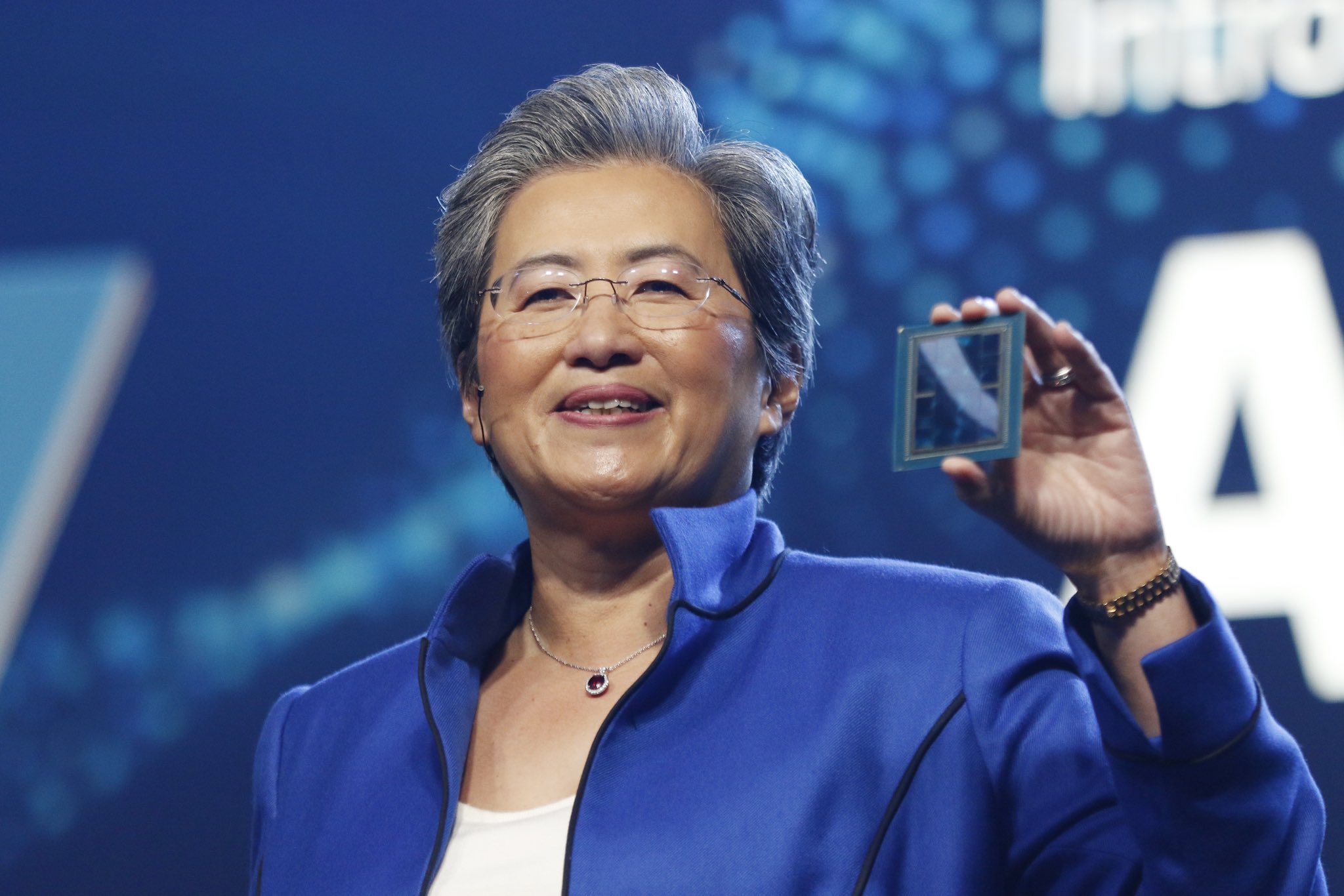
AMD just signaled a potential opening in the Chinese AI market, confirming during its Q3 earnings call that it has secured export licenses for select Instinct MI308 accelerators. While the company isn’t booking any MI308 sales into its Q4 outlook, the approvals give AMD a path to ship compliant AI hardware into China at a time when rival options face uncertainty.
CEO Lisa Su described the MI308 situation as fluid, noting that AMD has received some licenses and is working closely with customers to assess demand and overall opportunity. That caution explains why MI308 revenue isn’t included in near-term guidance, even as the company prepares to supply chips where permitted.
Technical details for the Instinct MI308 remain under wraps, but industry watchers expect specifications calibrated to meet current U.S. export rules—placing the product in a similar performance class to China-compliant accelerators like NVIDIA’s H20. The alignment with export thresholds suggests the MI308 is designed to unlock approved deployment in Chinese data centers without crossing regulatory limits.
This is a strategically meaningful step for AMD. NVIDIA continues to face delays around H20 export licensing and broader headwinds to adoption of its full software and hardware stack in China. That friction has left the door open for alternatives that can ship today under current policies. Even so, AMD’s decision to keep MI308 revenue out of its Q4 guide underscores how unpredictable the landscape remains.
China’s push for domestic AI silicon adds another layer of complexity. Until there’s a regulatory or market breakthrough, both U.S. vendors will likely operate with constraints, competing in a segment where availability, compliance, and ecosystem readiness matter as much as raw performance.
What to watch next:
– Final MI308 specifications and how they map to export-compliant performance tiers
– Timing and volume of licensed shipments into China
– Customer uptake across cloud providers, research institutes, and enterprise AI deployments
– Software ecosystem readiness, including ROCm support for popular AI frameworks in China
– Any policy updates affecting export eligibility for current or next-gen accelerators such as Blackwell-class parts
Bottom line: AMD’s MI308 export approvals give it an early, if measured, foothold in China’s AI accelerator market. With competitors still navigating licensing and adoption challenges, AMD gains a slim but tangible edge—provided demand materializes and the regulatory environment doesn’t shift again.


