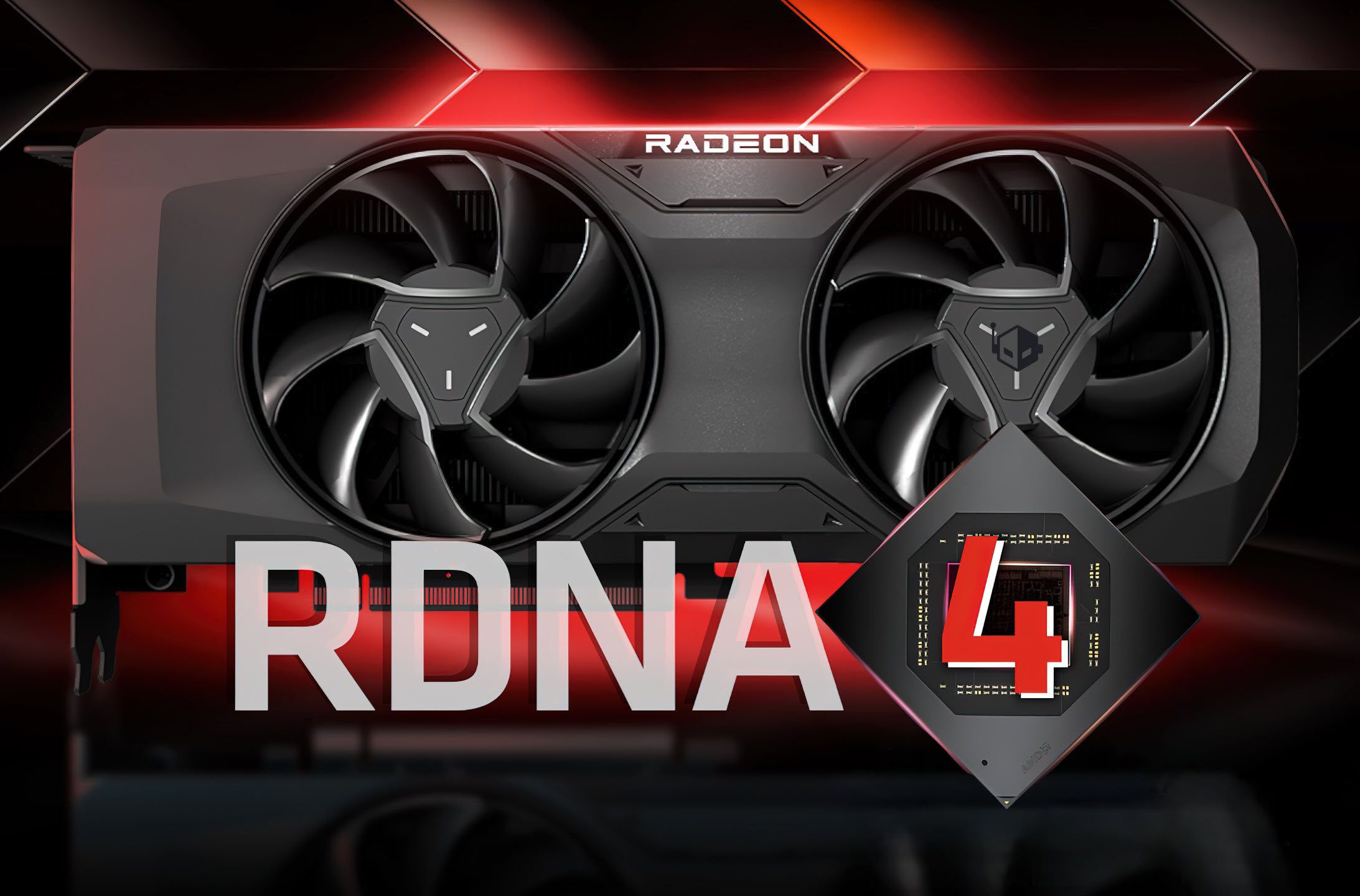
Advanced Micro Devices, Inc. (AMD) is ramping up support for its forthcoming RDNA 4 “Radeon RX 8000” GPUs on Linux with a series of freshly submitted patches. This strategic move is aimed at ensuring robust on-launch compatibility and enhanced performance for Linux systems.
Bringing Pre-Launch RDNA 4 Support to Linux
The progression towards launching the Radeon RX 8000 series on Linux is in full swing as AMD delivers additional code enhancements that broaden the initial support provided for their RDNA 4 architecture. Following their introduction of GFX12 support to Linux’s kernel driver, AMD has now unlocked new capabilities within the kernel to elevate user experience for the Radeon RX 8000 GPUs.
Improving Performance with DCC Enablement
Among the notable updates included in the latest series of patches is the enablement of Delta Color Compression (DCC). DCC optimizes the processing of graphical data by reducing the redundancies in color information. This key feature not only leads to decreased memory bandwidth demands but also boosts overall performance, marking a significant step in AMD’s next-generation graphics technology’s integration with the Linux ecosystem.
By implementing the DCC, AMD is ensuring that these new GPUs will not only perform efficiently but also signal that they are catering to more sophisticated graphical tasks which could be beneficial for professionals and gamers alike using Linux-based systems.
Anticipating Official Launch and Future Updates
As the expected launch dates approach, Linux users and enthusiasts can anticipate AMD to release more patches, likely unveiling further advancements and feature integrations specific to the Radeon RX 8000 series. The ongoing development and attention to detail reflect AMD’s commitment to the Linux community, suggesting that the launch could herald significant improvements for Linux-based rendering and computing tasks.
Utilizing these updates, users can expect enhanced graphical performance that leverages DCC among other RDNA 4 innovations, aligning with AMD’s dedication to providing cutting-edge technology to its diverse user base. Keep an eye out for these continuous developments, as they hint at an enriching platform experience for both current and future Linux-powered systems.