Amazon’s AI Spending Spree Puts Pressure on Free Cash Flow as NVIDIA GB300 Racks Pile Up
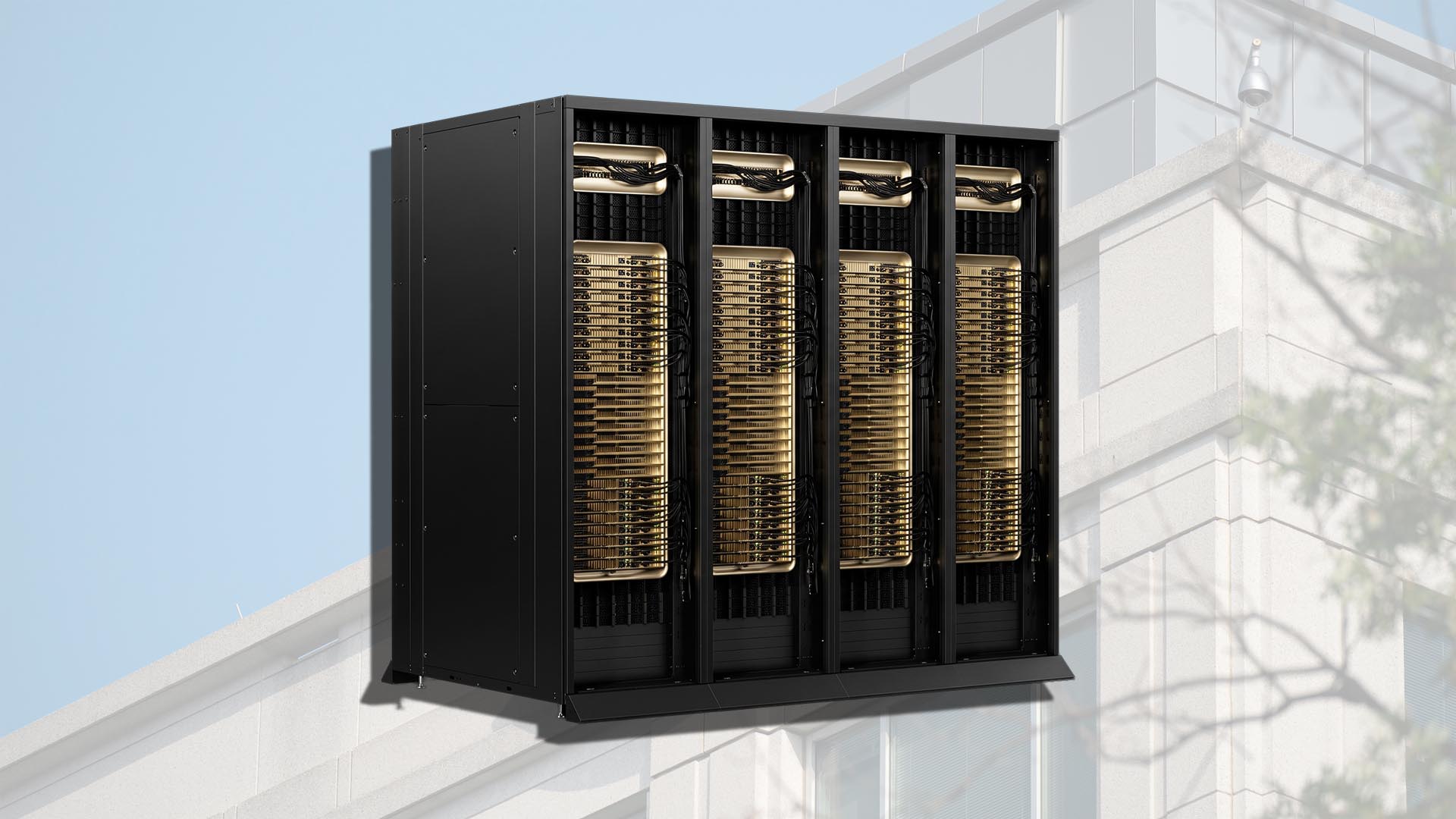
Amazon’s race to build out artificial intelligence infrastructure is becoming one of the most expensive bets in the company’s history. As demand for AI computing accelerates, the company is reportedly buying NVIDIA GB300 racks at a massive pace, even before some of its data centers have enough power to run them.
According to the report, Amazon received around $5 billion worth of NVIDIA GB300 rack deliveries in August, followed by roughly $3 billion in shipments each month afterward. The aggressive purchasing strategy shows how determined Amazon is to secure high-end AI hardware ahead of competitors, but it is also creating a major cash flow challenge.
Some AWS data centers are said to have the physical room needed for the GB300 racks but not enough electrical capacity to operate them. As a result, some of the equipment is reportedly being stored in warehouses until the required power infrastructure is ready. That means Amazon is taking ownership of expensive hardware long before it can generate revenue from it.
The financial impact is already visible. Amazon’s free cash flow reportedly dropped from around $50 billion in the first quarter of 2024 to about $1 billion in the first quarter of 2026. In the second quarter of 2026, the figure reportedly fell even further, reaching negative $7.6 billion.
A major reason behind the decline is a sharp increase in spending on property and equipment. Amazon’s net purchases in that category reportedly jumped by $66.1 billion year over year. Despite the pressure, the company is not slowing down. Its capital spending for 2026 is reportedly expected to reach $200 billion or more, largely driven by AI infrastructure expansion.
Amazon has dealt with negative free cash flow before. The company faced a similar situation in 2022 and early 2023 during its logistics expansion. That investment eventually supported Amazon’s broader retail and delivery operations. This time, however, the scale is much larger, and the payoff depends heavily on how quickly AI demand turns into profitable cloud revenue.
During an internal meeting in September, AWS CFO John Felton reportedly joked with infrastructure chief Prasad Kalyanaraman that the AI buildout had taken the company into negative free cash flow. While the comment was described as lighthearted, the underlying issue is serious. Kalyanaraman reportedly acknowledged that Amazon’s AI business is deeply cash-negative and that free cash flow could remain below zero for another couple of years.
Still, demand does not appear to be the problem. AWS reportedly grew 37 percent in the second quarter, and its contract backlog is said to be around $496 billion. Those numbers suggest customers are lining up for cloud and AI services, but Amazon’s challenge is turning hardware investments into active, revenue-generating capacity.
The core issue is timing. Every NVIDIA GB300 rack sitting idle in a warehouse represents billions of dollars in capital that is not yet producing income. Power shortages, construction delays, and long equipment lead times can push revenue further into the future, even as spending continues today.
For NVIDIA, the situation is highly profitable in the short term. Supplying billions of dollars in AI hardware to major cloud providers strengthens its position as a key supplier in the AI boom. But if customers struggle to power and deploy these systems quickly, questions may eventually arise about how fast future deliveries can continue.
Amazon’s strategy has always been to spend heavily before demand fully materializes. That approach helped it dominate cloud computing through AWS and build one of the world’s most powerful logistics networks. Now, the company is applying the same playbook to artificial intelligence.
The big question is whether Amazon can solve its power and infrastructure bottlenecks fast enough to turn its enormous AI investment into long-term growth. If it succeeds, the current cash flow pressure may be seen as the cost of building the next major technology platform. If delays continue, however, the company could face years of heavy spending before seeing the full reward of its AI ambitions.